





24 September 2024 marked the official launch of the Safer Building Programme, a regional initiative under the theme “Build Safe: Constructing Homes for Tomorrow” aimed at improving building standards and bolstering the capacity of construction professionals and artisans in the Caribbean.
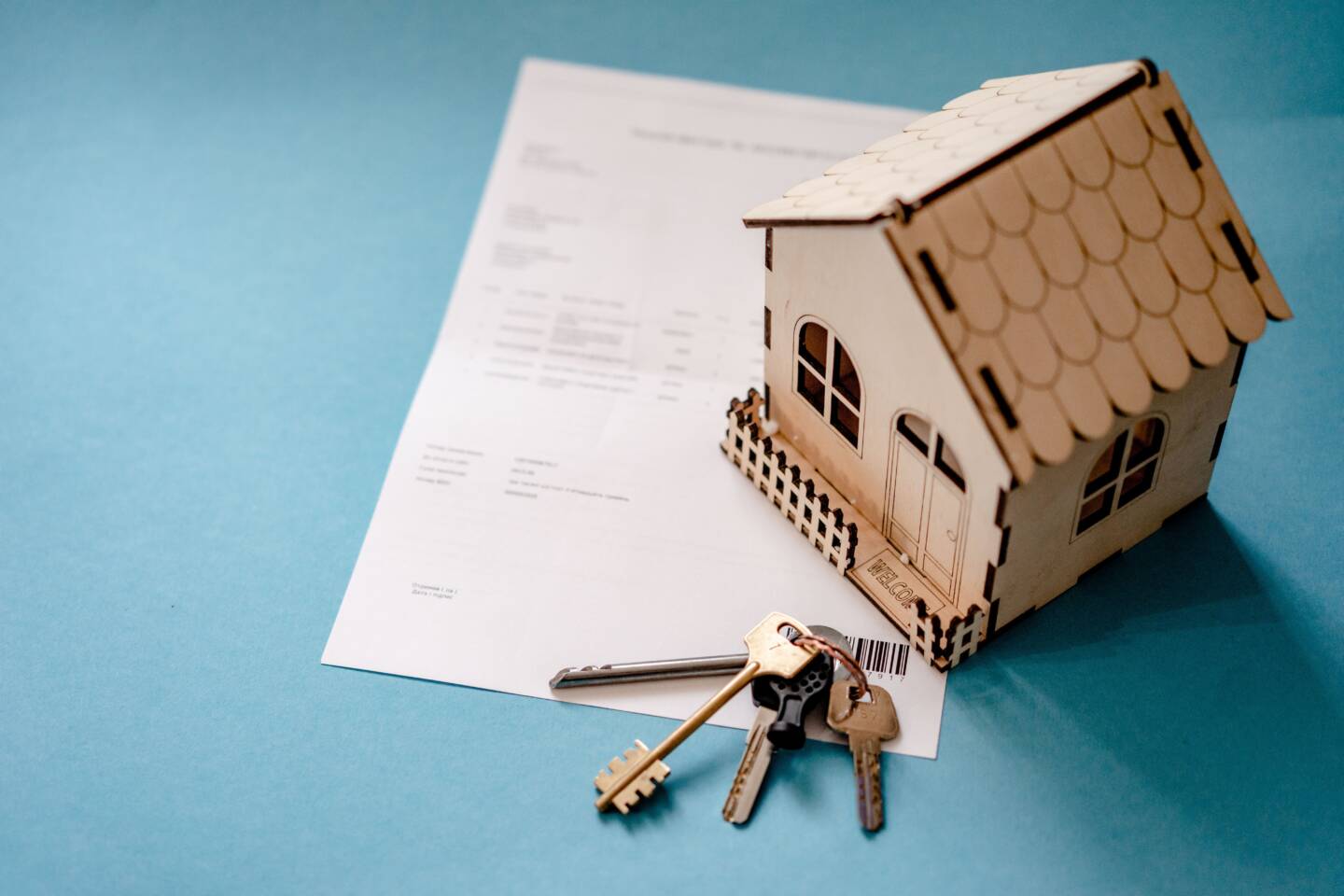
This effort is led by the Caribbean Disaster Emergency Management Agency (CDEMA) in collaboration with the Caribbean Association of National Training Agencies (CANTA) and the Caricom Regional Organisation for Standards and Quality (CROSQ). It focuses on the safe construction of homes in the region through implementing the Code of Practice for the Construction of Houses in the Caribbean Region.
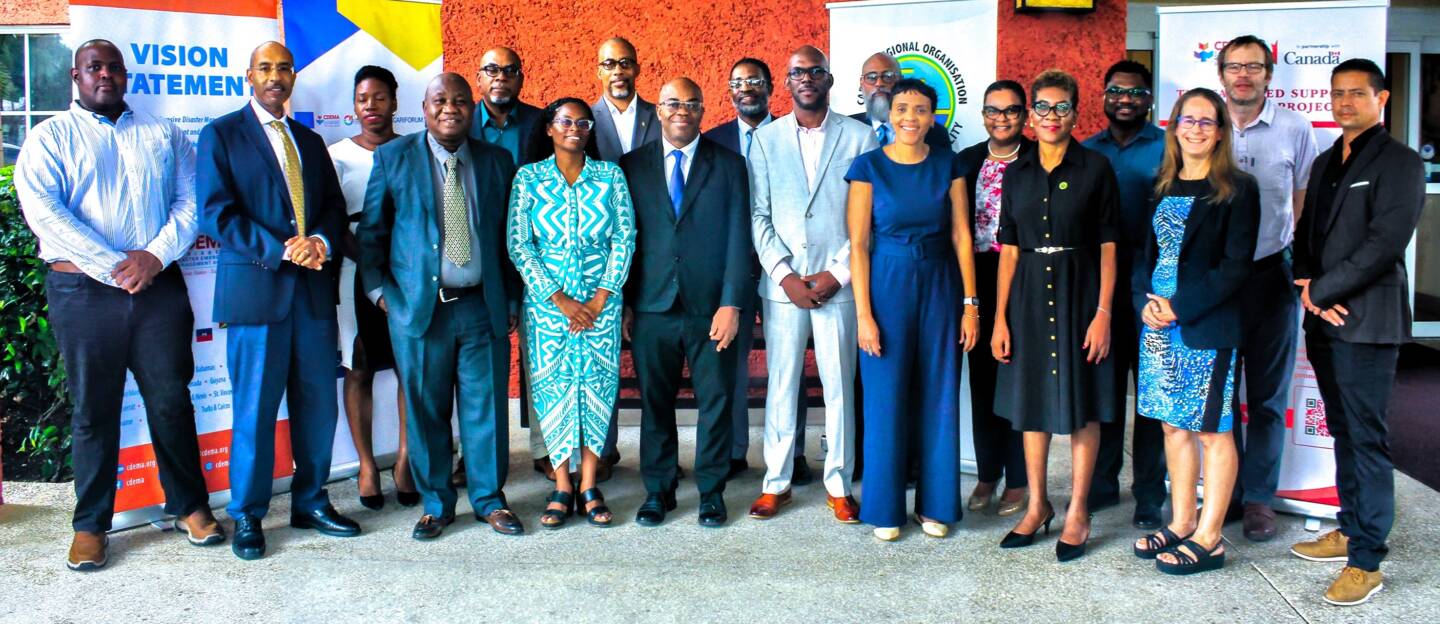
The launch was a hybrid event held at Courtyard Marriot, Barbados, where partner representatives, sponsors, and stakeholders from the building design, engineering, and construction industries joined their compatriots from 7 other pilot countries attending virtually. Participating countries include Antigua and Barbuda, Barbados, the British Virgin Islands, Dominica, Grenada, St Kitts and Nevis, St Lucia, and St Vincent and the Grenadines.
CDEMA’s Executive Director Elizabeth Riley said post-disaster assessments from the past 2 decades have revealed that the Caribbean housing sector has been significantly affected by natural hazards, particularly hurricanes and earthquakes. She noted that in several instances, poorly constructed homes have even led to displacement, economic hardship and even the tragic loss of life.
“The Build Safe Initiative responds to these challenges by promoting safer, more resilient housing construction practices across the Caribbean. This initiative marks a significant step forward in enhancing the safety and resilience of Caribbean homes, protecting lives and property from future disasters,” Riley said. She also called for Caribbean governments to place their countries at the forefront of global resilience efforts and towards a secure future for all by championing CRCP 10 adoption. Riley also encouraged governments to make the adoption of the CRCP and CVQ certification a national requirement, through partnerships with the private sector and incentives to contractors and homeowners alike. Consistent CRCP 10 adoption nationwide will require establishing and enforcing surveillance measures.
The Code of Practice (COP) for the Construction of Houses in the Caribbean Region project has 5 key objectives, including review and revision; integrating the revised COP now named the Caricom Regional Standard Code of Practice for the Construction of Houses into formal certification pathways, including Caribbean Vocational Qualification (CVQ); developing the CVQ and training materials; delivering training; and generating demand for training among homeowners, building professionals, artisans, financial institutions, and policymakers in the target countries.
The Executive Director said training had been ongoing ahead of the official launch, and significant progress had been made in achieving the project’s objectives. Participants who complete training courses receive units of competence, which can be applied towards earning a full CVQ qualification.
To support the launch of the training, CDEMA has provided grants to the eight pilot countries, ensuring an impactful first round of training sessions.
Source: CDEMA