











by Dr Ishma Harford
Who exactly has a person who attempts suicide committed a crime against?
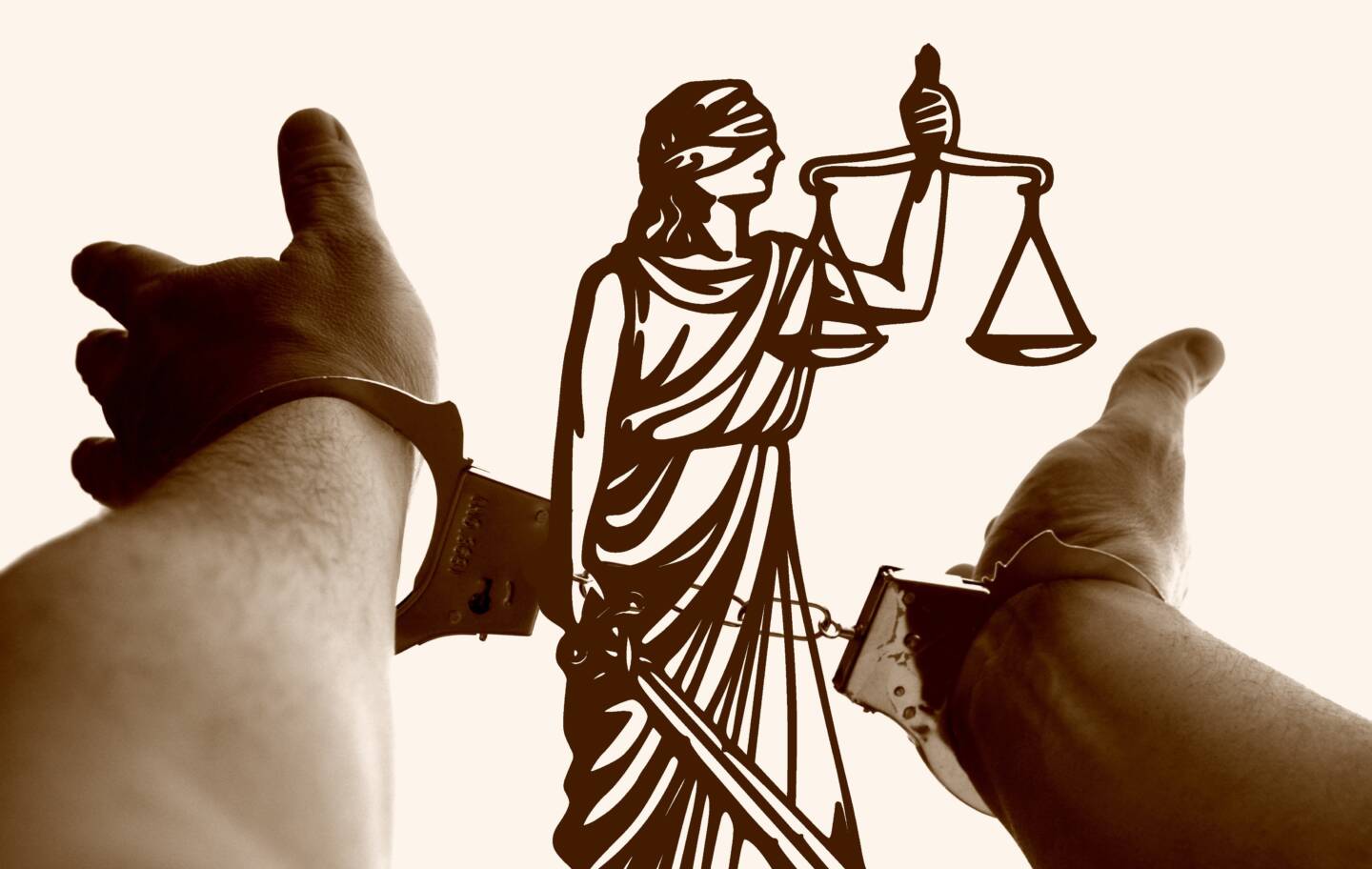
Imagine reaching a breaking point, surviving the attempt, and waking up to find yourself liable to criminal prosecution. This is the reality facing a suicide survivor in Grenada today. Although the legal system takes a softer, more supportive stance and seldom prosecutes, that does not pardon the fact that it can and occasionally has been enforced.
Section 233 of Chapter 72A of the Criminal Code states that attempting to end your own life is a misdemeanour. This can carry a penalty of up to 2 years in prison, a fine of $4,000, or both. Grenada is one of 4 Caribbean nations that continue to criminalise suicide, alongside The Bahamas, Trinidad and Tobago, and St Lucia.
Imagine for a moment your child or sibling imprisoned for 2 years after surviving a suicide attempt. What was a call for help is now a line on a police record. The implications are neither minor nor invisible. When the law treats a mental health crisis as a criminal act, seeking help becomes difficult and might later be misconstrued with premeditation.
Legislation needs not be enforced to cause harm. It needs only exist. For a person already in crisis, this law’s existence is enough to turn the moment of survival into a source of shame. Shame that is not a by-product of this policy, but its most persistent consequence.
The criminalisation of suicide is colonial legal tradition that treated suicide as a moral failure, and a sin against God and society. The language we inherited reflects that thinking. The criminal code states committed suicide, the same word we use for fraud and assault. Writing this column kept me mindful as I corrected committed suicide a time or two. Words reflect our thoughts, and this is where the adjustment must truly begin.
As necessary as decriminalisation is, on its own, it is not enough. What addressing the mental health crisis in this country requires is deliberate, sustained commitment by every single Grenadian, and not merely candlelight vigil.
We need to normalise conversations around mental health and intentionally bring to reality the kind of cultural shift that does not happen through legislation alone. Accessible avenues for help must be clearly signalled, so that a person in crisis knows where to find an olive branch. We need a humane system that meets people where they are and is ready to act, not one that waits with shame and a police record.
Although decriminalisation of suicide may seem like a minor legal technicality, what it represents is meaningful. It signals a progressive stance by Grenadian society, and that we will not punish our most vulnerable in their time of need. It signals that survivors will not be abandoned and that government is actively reducing the stigma around mental illness that continues to cost us dearly.
In January 2026, Grenada decriminalised cannabis on the grounds that the law needed to reflect modern reality. Why should suicide be any different?
If the very nature of law is justice, where is it found in punishing a survivor when what they most deserve is grace?
Dr Ishma Harford is a medical doctor and a Commonwealth Scholar completing a master’s degree in Health Analysis, Policy and Management. The Health Imperative is an educational, politically neutral column about health, the system that delivers it, and all the implications in between.