





by Curlan Campbell
- Carriacou Museum, founded in 1976, suffered serious damage from Hurricane Beryl
- Restoring museum will cost approximately EC$250,000.
- Playbook Imagination Fund underwritten museum’s domain name, new logo, email address, and social media profiles
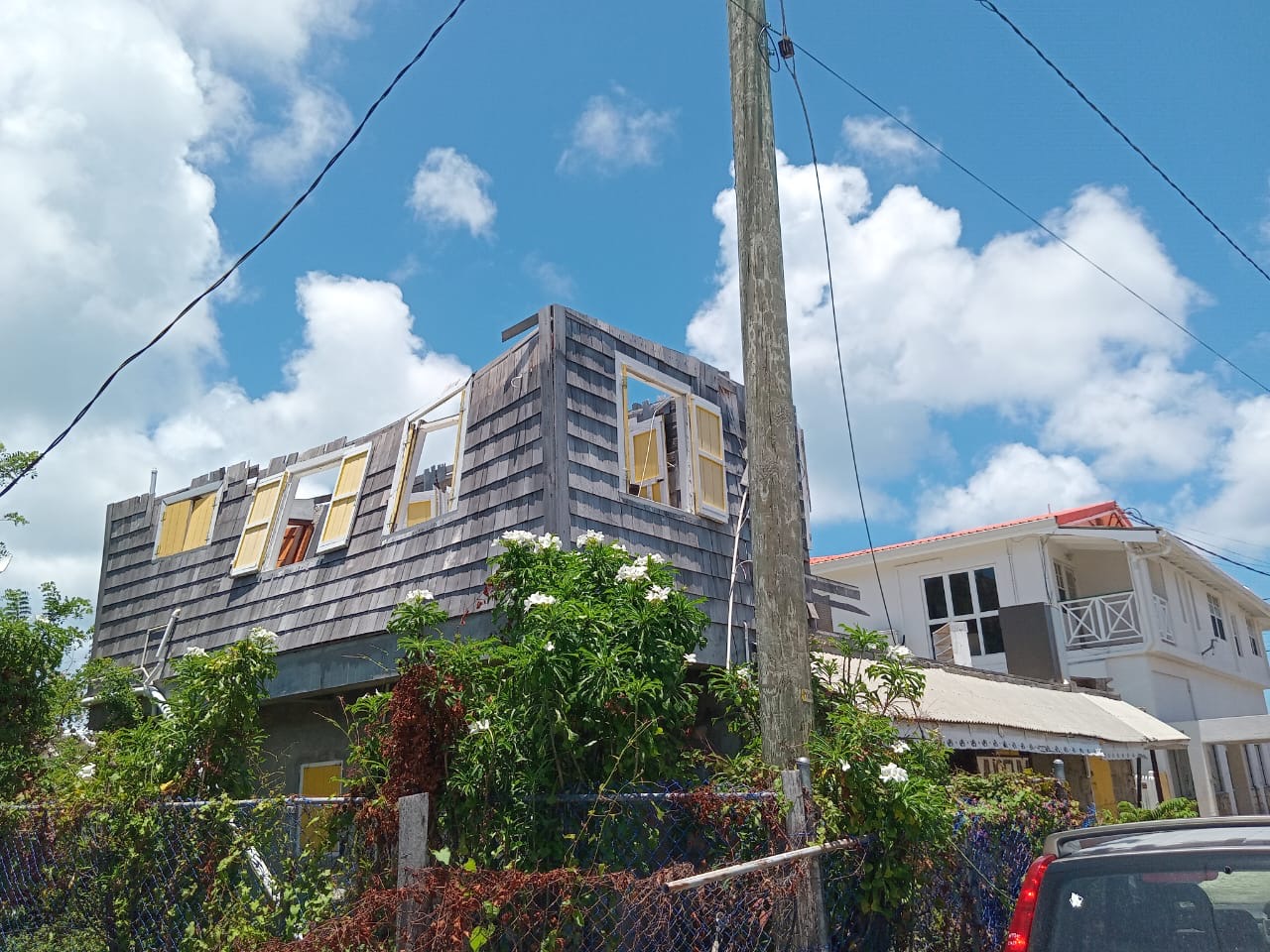
The clock is ticking to raise the necessary funds to restore the Carriacou Museum, as many archives and artefacts have become mouldy and are in poor condition following the destruction caused by Hurricane Beryl in July 2024.
Founded in 1976, the Carriacou Museum, a historic landmark located on Paterson Street in the town of Hillsborough, is housed in the second-oldest cotton ginnery in the world. This adds to the urgency of the situation, as writer and researcher Majella Mark has taken on the task of assisting the board of directors in restoring the building.
Growing up listening to stories about the museum, Mark, who was born in Connecticut, USA, to immigrant parents from Grenada, became particularly interested in its significance after a visit with her aunt, Dr Christiana Best. During that visit, they discussed possibly conducting an oral history initiative at the university where her aunt teaches. “At that moment, I wanted to learn more about my family history there,” Mark recalled.
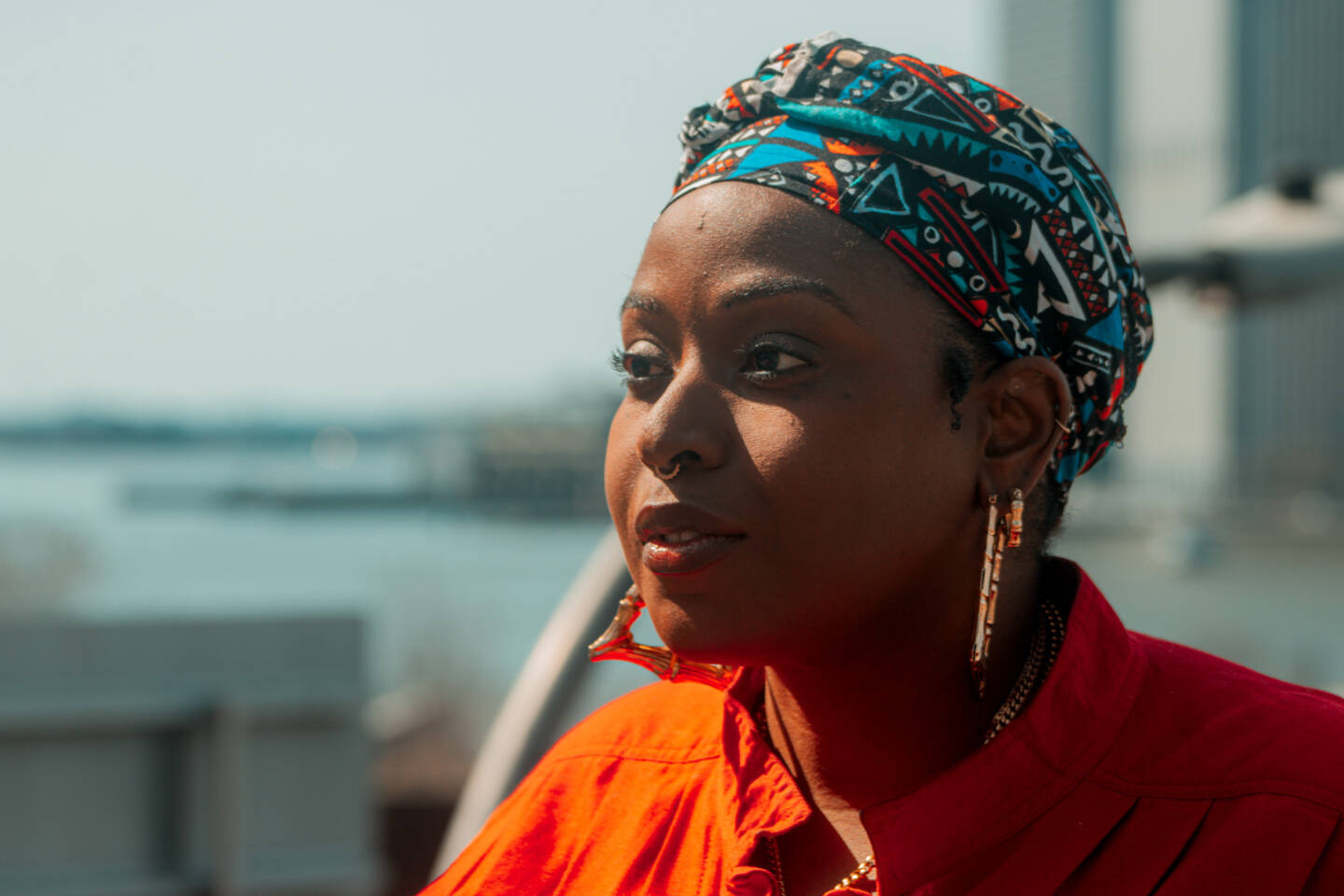
Fate took a turn when Hurricane Beryl struck on 1 July 2024, causing extensive damage to over 50% of the island’s infrastructure. This prompted Mark to act quickly. “When Hurricane Beryl swept through the island, I emailed anyone I could find online to help,” she said. “That was the beginning of my journey with this initiative to revive the museum. The museum has always been more than just a building; I see it as a cultural heartbeat. Being part of its restoration feels like a way of giving back to a place that has shaped me in ways I’m still discovering,” she continued.
The Playbook Imagination Fund’s creative grant, supporting artists in visual media management and distribution, has been crucial in beginning the rebuilding process. However, the restoration is still in its early stages due to the extensive damage to the building. Restoring the museum will cost approximately EC$250,000.
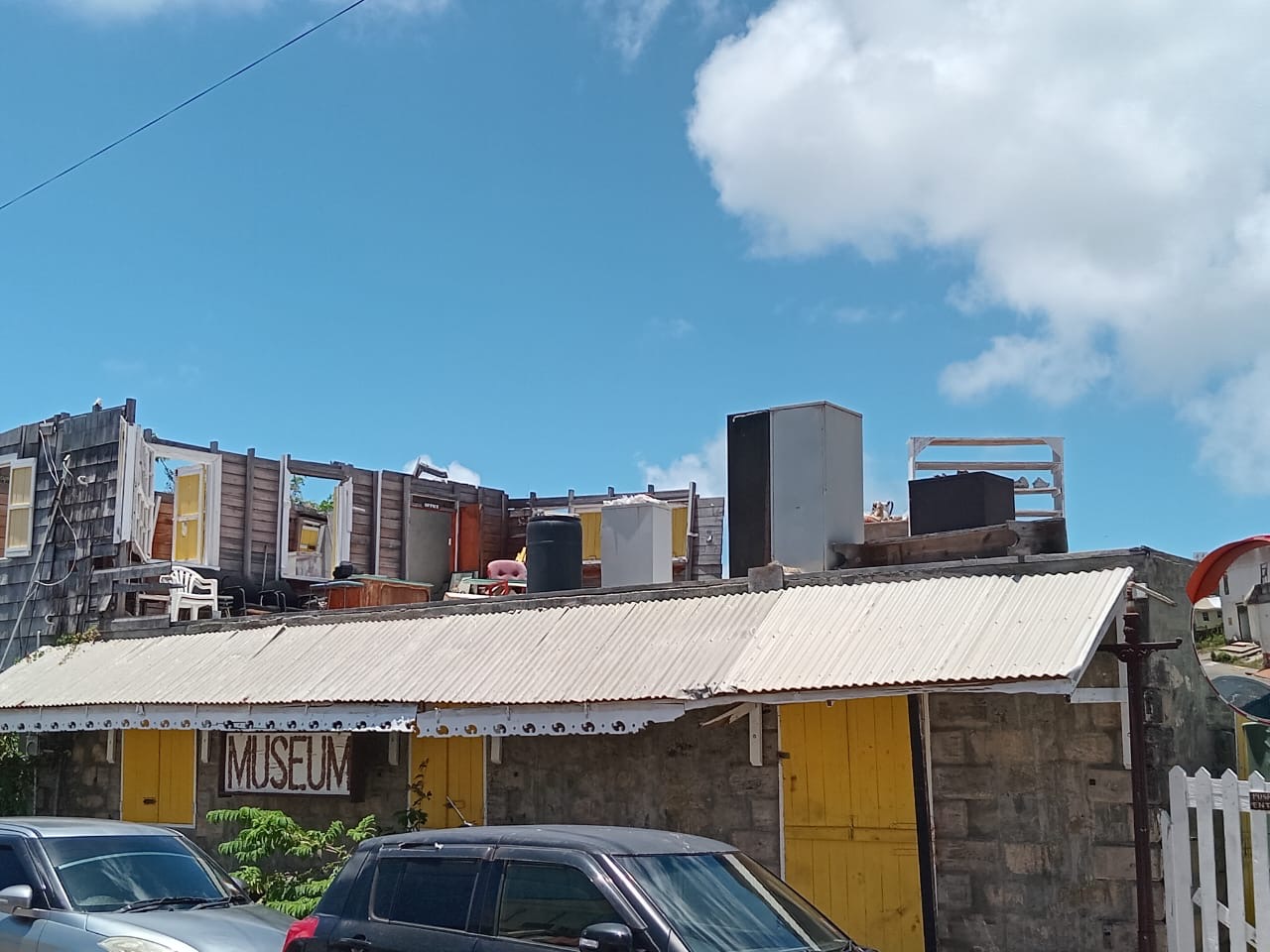
“The building suffered serious damage from Hurricane Beryl. The first floor is practically gone, and some structural walls on the ground floor experienced slight damage. Of course, water doesn’t mix well with archives,” Mark stated. “Thankfully, a portion of the collection survived, but many items need urgent conservation. It’s been a race against mould and time, but we’re doing our best to preserve what we can.”
The restoration effort
Mark notes that while the people on Carriacou are managing everything — from sourcing materials to finding skilled labour and coping with power outages — logistics on a small island post-disaster are challenging.
Furthermore, the biggest challenge facing the restoration team, according to Mark, is balancing the need to honour the legacy of the building while also transforming it into a modern facility.
“Fundraising while focusing on managing the progression of the rebuilding is a test, but I am up for the challenge. Beyond the practical stuff, one of the bigger challenges has been figuring out how to honour the museum’s original spirit while reimagining it to be stronger, innovative, and more inclusive. Balancing memory with modern needs isn’t easy, but it’s also a great opportunity to extend the longevity of the institution for future generations,” she said.
With the help of the Playbook Imagination Fund, Mark was able to establish the museum’s domain name carriacoumuseum.gd and created a new logo, professional email address, and social media profiles, including Instagram, BlueSky and Tik Tok (@CarriacouMuseum). Mark works alongside architect Erik Johnson of Atlantic Partnership Architects, who has donated his time to draft the blueprints.
“The initial steps include securing materials, coordinating local labour, training volunteers in artefact handling, and setting up proper storage to protect what remains of the collection,” she stated. “Once the proper steps are completed, we should secure a significant amount through a fund based in Europe that is enthusiastic about preserving the architectural integrity of the museum.”
Community and support
The community of Carriacou has received praise for their contributions to the process, with one resident noting, “There’s a lot of pride in Carriacou, and the museum reflects the people’s traditions, history, and resilience.”
Mark said, “Everyone I have spoken to so far has been very kind and eager to help, whether by sharing stories or checking in on the progress.” To speed up the process, Mark has requested more volunteers. “What we need most is ongoing support — not just financially, but also in terms of energy. We are looking for volunteers, storytellers, artists, teachers, and anyone else who sees this space as their own and is willing to lend a hand.”
At present, the team is also in the process of establishing a relationship with the local government to include them in the restoration efforts. “We’re in the process of building those relationships now. Some conversations have started with cultural bodies in Grenada, and we’re also looking to international heritage and diaspora organisations to support both financially and with technical guidance. It’s a work in progress, but a promising one.”
Vision for the future
While the groundwork for restoration is still being explored, the vision for a modern facility that tells the story of the island’s history is a driving force behind the restoration efforts.
Mark envisions a new museum that serves as a hub for young people to learn about their heritage, a space where elders feel heard and respected, and a place that fosters creativity, digital storytelling, and even virtual exhibits for the diaspora to connect from afar. “Imagine walking in and hearing voices from the past, seeing artefacts, and watching your neighbour’s story displayed on screen,” she said.
Most significantly, the museum pays homage to Carriacou painter Canute Caliste, whose work has attracted international attention.
“That’s the dream. For Carriacou, we should establish an art residency dedicated to the renowned artist Canute Caliste, where artists from around the world can study and draw inspiration from the island’s environment. We should revive agricultural production to create an industry that will lead to economic growth. It’s essential to embrace the traditional practices that have been remarkably preserved within the community, from elders to children. I want the people of Carriacou to feel ownership of their story and take pride in contributing to the continuation of the island’s legacies,” she explained.
Additionally, there are plans to create a special exhibition about Hurricane Beryl and the museum’s survival. “This storm is now a part of the museum’s narrative. Filmmaker and museum board member Ingrid Lewis is already documenting individuals on the island for her project. Artist Benaiah Matheson, who represented Grenada at the latest Venice Biennale, is preparing an exhibition inspired by the resilience of the people after the hurricane. In collaboration with my aunt, I am planning an exhibition that will feature oral histories, photos, and digital media capturing the impact of the hurricane and the incredible work being done to rebuild. It’s about documenting not just the loss, but the strength that emerged afterwards,” she stated.