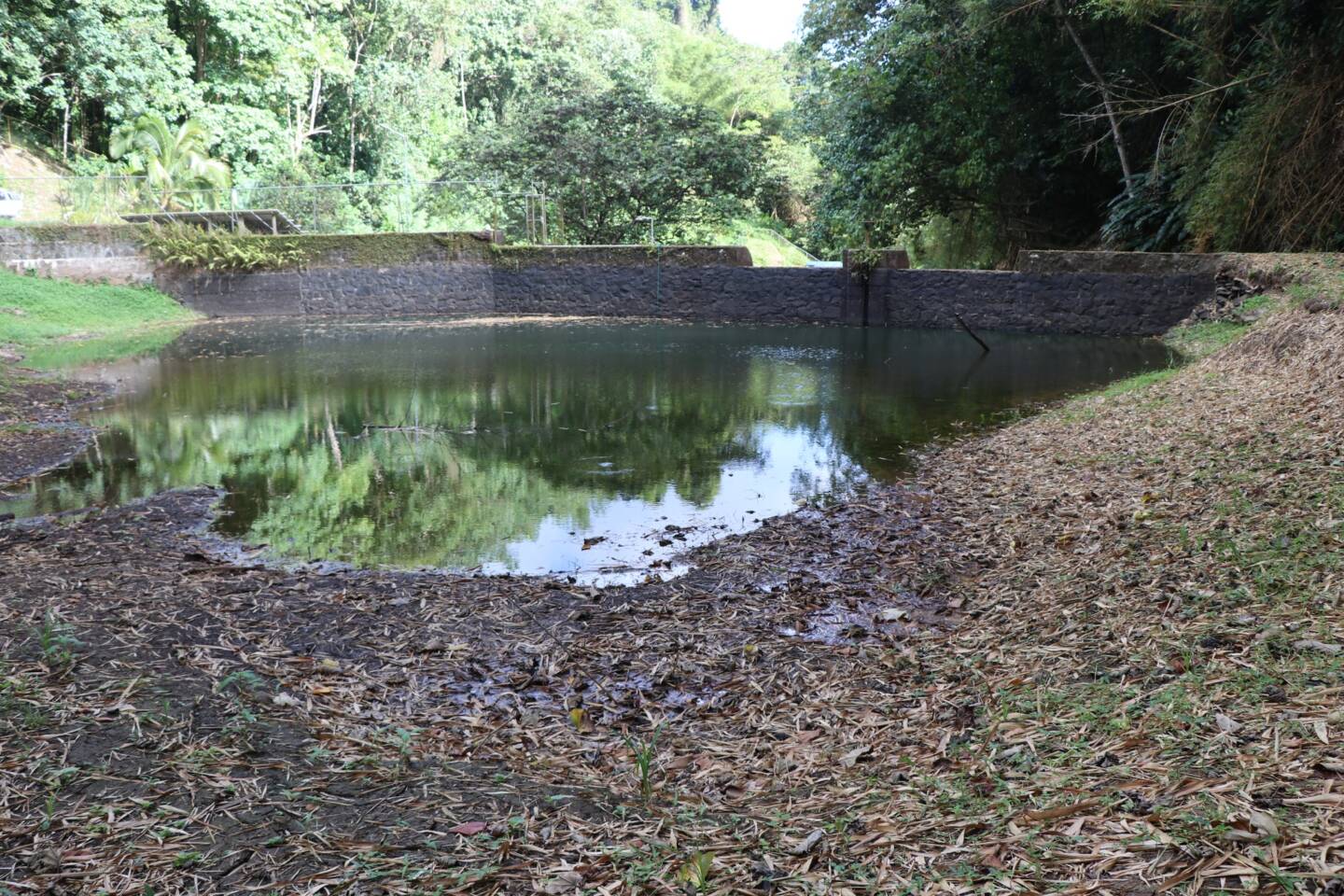







As increasing dry season conditions continue to adversely impact the southern Caribbean, including Grenada, Carriacou & Petite Martinique, the National Water and Sewerage Authority (Nawasa) is advising the general public of mounting pressure on Grenada’s water supply system, with multiple facilities now experiencing critical reductions in production levels.
Recent production assessments conducted across the authority’s network indicate significant declines in output at several water treatment plants when compared to normal operating conditions; some deficits in stream production being as much as 60%. This underscores the growing impact of prolonged dry weather on the nation’s fresh water sources, which account for 94% of our water production.
Reduced river flows, declining spring yields, and limited natural recharge are now severely affecting production capacity at several facilities, raising increasing concern over the sustainability of supply should dry conditions persist in the coming weeks.
Several facilities serving communities across the island are now operating at critically reduced levels, including:
- Après Tout, which is currently non-operational, is affecting supply reliability within surrounding service areas
- Les Avocats, which serves communities along the eastern corridor, including Minorca, Windsor Forest, Apsley, Perdmontemps, Marian, St Paul’s, Richmond Hill, Morne Jaloux, La Borie, Hope Vale, and Creighton, and has experienced a decline in production of more than 40%
- Petit Etang, a key source supplying communities such as Petit Etang, Syracuse, Corinth, Vincennes, Windsor Forest, Laura Land, Perdmontemps, Providence, Champfleur, and Child Island, where output has fallen by nearly 47% compared to December 2025 levels
- Bon Accord, which supports sections of the southern network, including St George’s Estate, Bon Accord, La Mode, and Ravine, and has recorded a reduction of approximately 69%
Additionally, major production facilities such as Annandale and Mirabeau are also experiencing notable declines in output. The Annandale Water System, which serves the island’s main tourist belt and several surrounding communities, continues to experience production shortfalls despite ongoing supply support from the Grand Etang Lake, which levels we continue to closely monitor.
The Mirabeau Water System, the largest supply network within St Andrew, serves communities including Telescope, Grenville, and several surrounding districts, and is also facing increasing pressure due to declining source availability. These systems remain critical components of the national distribution network, and continued reductions in production could result in escalating supply challenges for multiple communities should dry conditions persist.
Should the situation worsen, some customers may experience reduced water pressure, extended interruptions to scheduled supply, slower reservoir recharge and recovery times, and increased disruptions, particularly in elevated and remote areas.
In response, Nawasa has intensified several operational measures aimed at managing the island’s limited water resources as efficiently as possible. These measures include system balancing, enhanced monitoring of vulnerable water sources, and adjustments to distribution schedules where necessary.
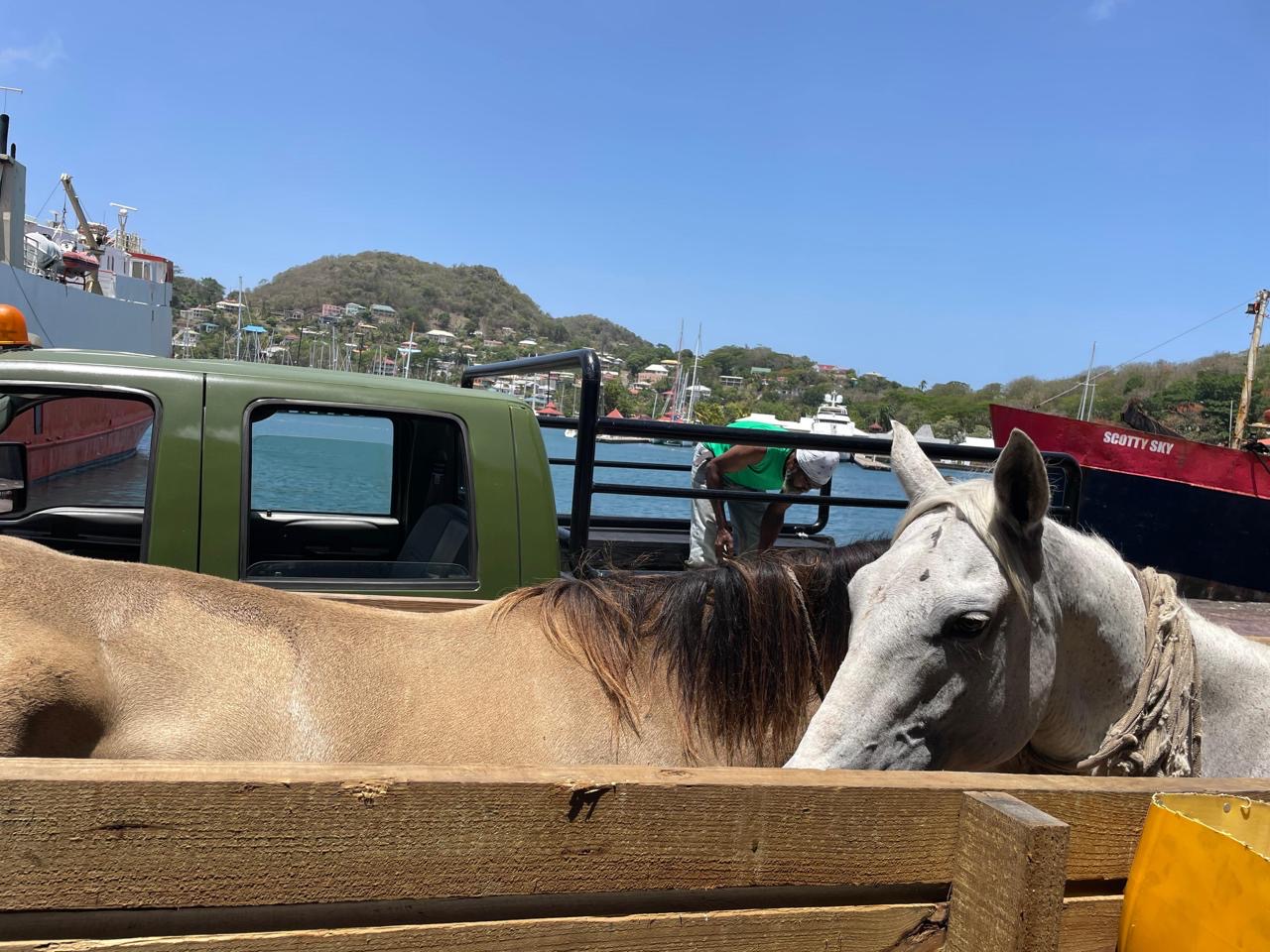
The authority has also expanded water trucking operations to support communities experiencing severe supply disruptions as a result of the worsening dry season conditions. As part of these efforts, St George’s University (SGU) has officially deployed its water tanker and operator to assist with water deliveries within the southern network. This additional support is expected to strengthen response capacity while allowing Nawasa to redirect other water trucks to critically affected communities across the island.
Additionally, arrangements are currently being finalised for the deployment of water wagons within priority areas as part of the authority’s broader drought response measures.
The authority is therefore appealing to the public to carefully manage stored water reserves while adopting responsible water conservation practices. At the same time, Nawasa is actively exploring the possible reintroduction of water restrictions, similar to those implemented during the 2024 dry season, as part of efforts to cushion the impact of dwindling supplies and maintain equitable distribution across affected communities.
Currently, 12 of the island’s 26 water systems are under valve regulation, with several systems requiring temporary shutdowns ahead of scheduled reopening periods to facilitate source and reservoir recharge due to critically low supply levels, most notably within the Mirabeau Water System.
Nawasa acknowledges the inconvenience these measures may cause and assures the public that every effort is being made to maintain service reliability during this increasingly challenging period.
The authority will continue to closely monitor conditions and provide timely updates as the situation evolves. Nawasa thanks the public for its patience, cooperation, and continued support as the country navigates the ongoing dry season challenges.
Nawasa







It is time that NAWASA stop behaving like some fly-by-night organization and start developing practical ways to permanently solve the water supply issues we have on the island. Too much rain is a problem; too little rain is a problem.
What is the point of having all these engineers on staff who unable to solve our water-related problem or issue? This entity is a total joke!