











by Curlan Campbell
- Animals (Diseases and Importation) Act, prohibits importation of any bird, reptile or insect unless authorised by licence by the Minister for Agriculture
- Horses tested positive for tick-borne disease Babesia, and euthanised less than 12 hours after their arrival
- Dr Carter is concerned as to why the horses were not placed in quarantine
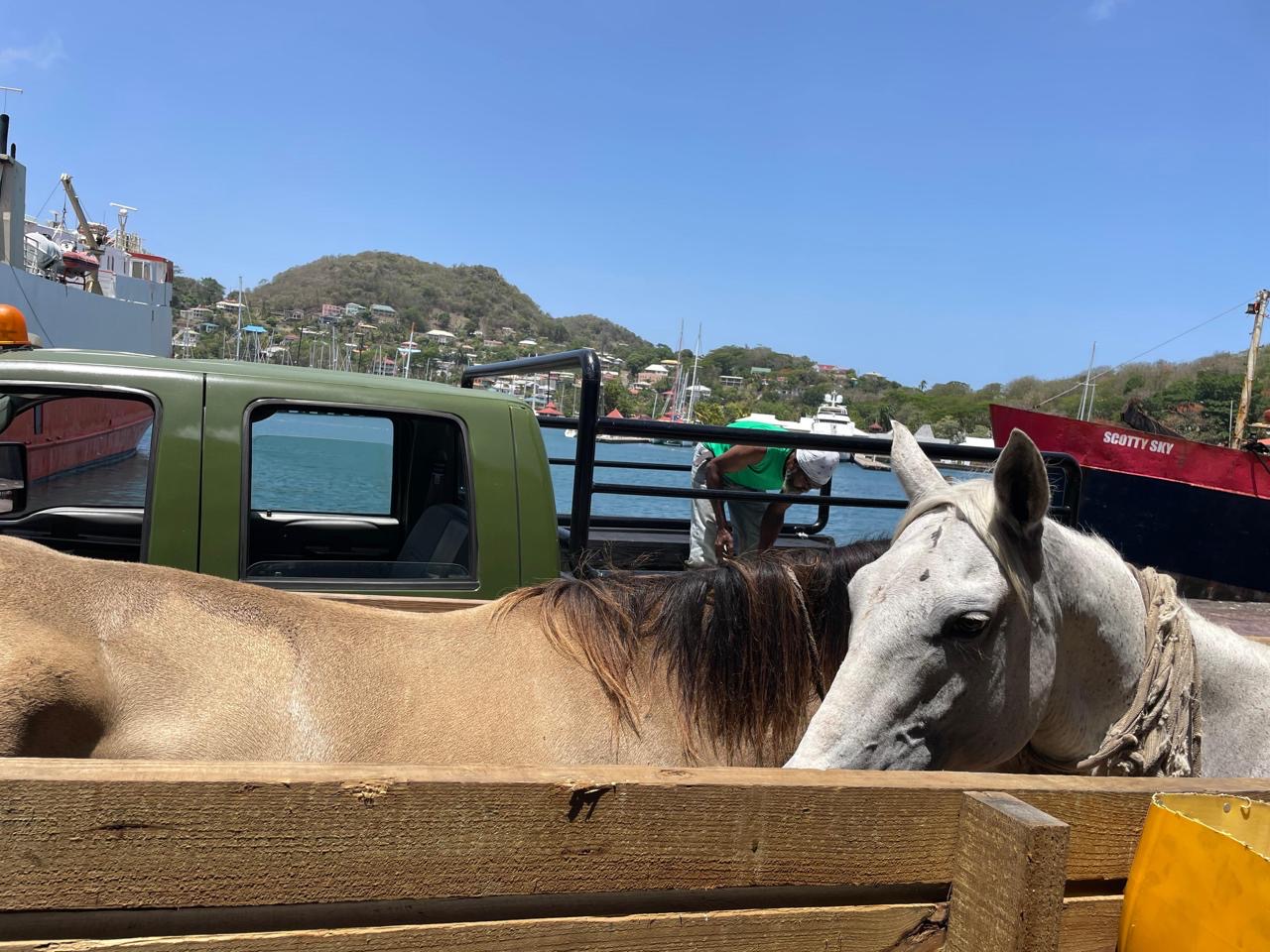
Royan Smith, owner of Bonanza Stables, has accused officials within the Ministry of Agriculture of acting unfairly and prematurely in the euthanisation of 2 imported horses that he said were pregnant, and could have been treated for a common tick-borne disease.
Speaking in an interview following the incident, Smith claimed he had been attempting to secure the necessary import permit from the ministry before the horses arrived in Grenada. “I’ve been trying to get a permit from the ministry. The guy keep grumbling me,” Smith said, alleging that repeated promises to process the application never materialised.
According to Smith, the horses initially tested negative for disease. However, while he was awaiting approval, the animals were bitten by ticks and later tested positive for Babesia, a tick-borne disease that affects horses.
“The day the horses embarked on the vessel is when they realised the horses test positive for the disease, but before that the horses was negative all along,” he said. Despite the positive test result, Smith maintained that the disease is easily manageable and should not have resulted in the destruction of the animals.
Smith further claimed that veterinary officials in St Lucia, the exporting country, contacted Grenadian authorities to seek permission to quarantine and treat the horses upon arrival. This claim could not be independently verified, as attempts to contact Dr Sharmine Melville-Edwin, Chief Veterinary Officer within the Ministry of Agriculture in St Lucia, were unsuccessful.
“They asked whether the animals could be quarantined and treated instead,” Smith said. “I had horses that had that same tick-borne disease, Babesia, and it was easily treated within 10 days.”
Smith said that after learning he had not received the import permit, he approached Permanent Secretary Javan Williams to explain the situation and seek assistance. However, he alleges that when the horses arrived at the port, he was informed that the animals would not be allowed into the country. “The permanent secretary told me that he instructed for the horses not to leave the vessel,” Smith claimed. “The man tell me all the horses landing today, [he] going to kill them.”
Smith said he proposed several alternatives, including quarantine facilities and the use of mobile stables, but those options were rejected.
Unable to secure transportation to return the animals overseas, Smith said the horses remained at the port before being euthanised less than 12 hours after their arrival. “The horses arrive at 8 o’clock in the morning. By 6 o’clock in the evening, people kill the horses,” he said.
The businessman described the loss as devastating both emotionally and financially. One of the horses was white and had been booked for future wedding events, while both animals were expected to support his tourism operations. “Right now, they put me out of business,” Smith said. He also indicated that legal action is being considered, claiming an injunction was being prepared when the horses were destroyed.
Smith has accused the Ministry of Agriculture of failing to consider treatment options and insists the disease posed no significant threat. “It’s a shame on the government of Grenada, shame on the Ministry of Agriculture to kill my animals because of this,” he said.
Meanwhile, veterinarian Dr Kenrith Carter has raised concerns about the Ministry of Agriculture’s decision to euthanise 2 imported horses after the animals reportedly tested positive for Babesia. In a public statement on social media, Dr Carter questioned whether proper quarantine, testing, treatment, and expert consultation procedures were followed before the horses were destroyed.
Dr Carter explained that Babesia is a tick-borne disease with multiple strains affecting different species and that many strains can be treated. “Babesia has multiple strains, most of which are treatable, most of which are species specific, which means there’s some for dogs, some for donkeys, some for horses, some for livestock,” he said. He also noted that while some strains can infect humans, transmission occurs through ticks. “Some can be zoonotic, which means they can go between humans and animals, animals to humans, but it is a tick-borne infection, so it’s not transmitted if a tick did not bite you.”
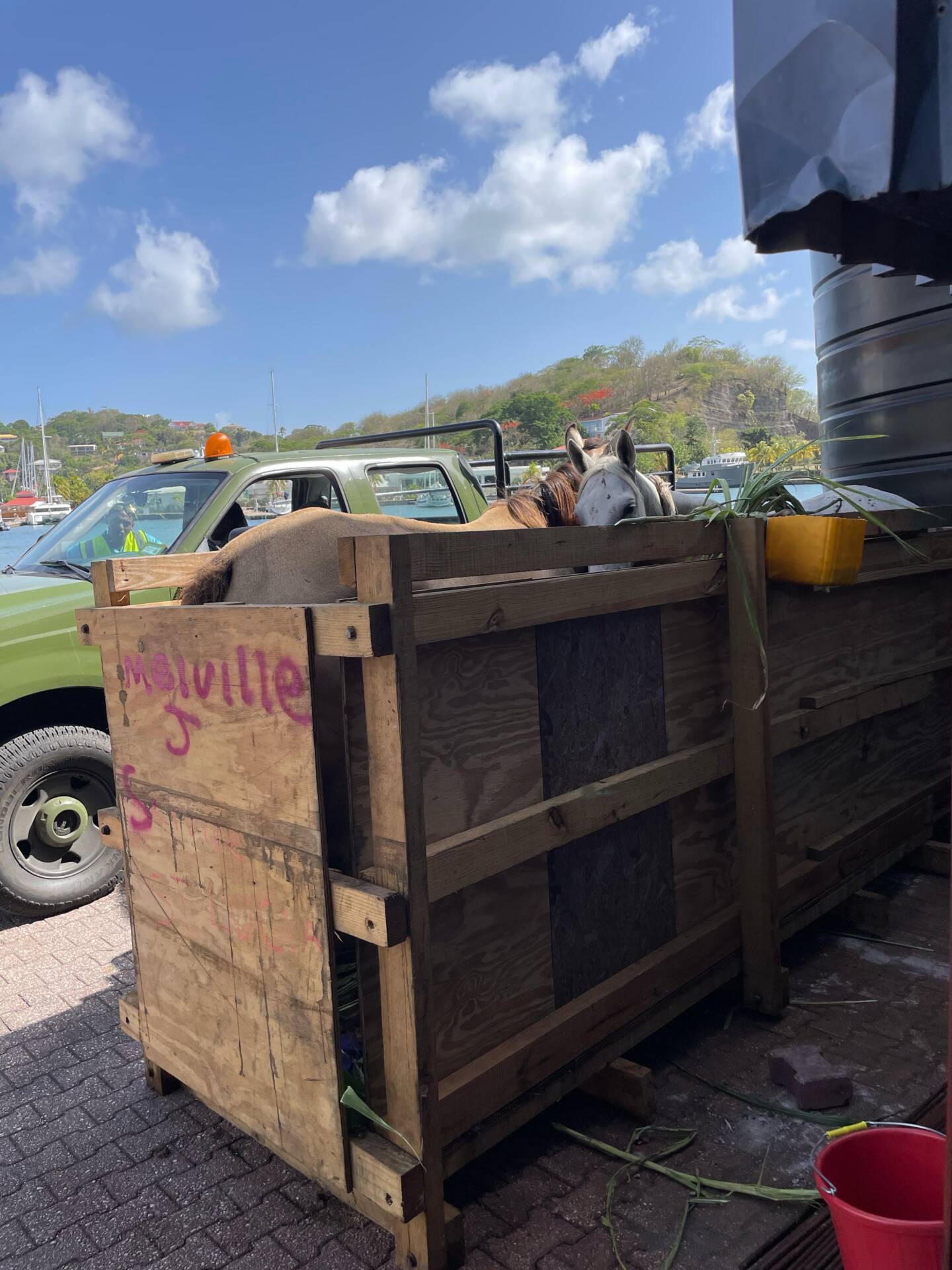
According to Dr Carter, scientific publications have previously documented Babesia in livestock in Grenada. A major concern for the veterinarian is why the horses were not placed in quarantine.
The Ministry of Agriculture has been contacted for comment on the matter. An email was sent to Permanent Secretary Williams, who acknowledged receipt on Monday. However, up to the time of publication, no response had been received to the questions submitted regarding the circumstances surrounding the importation of the horses and the related regulatory concerns.
According to Sections 13, 15, 16 and 17 of the Animals (Diseases and Importation) Act, the importation of any bird, reptile or insect is prohibited unless authorised by a licence issued by the Minister of Agriculture. Any person importing such animals without the requisite licence, or in contravention of licence conditions, commits an offence and may be subject to seizure and forfeiture of the animal.