











by Nisha Paul
- Opposition Leader called for review and expansion of Price Control List essential items
- Rising fuel and shipping costs, driven by global tensions, begin to filter through
- Additional financial pressure on workers could affect country’s social outlook
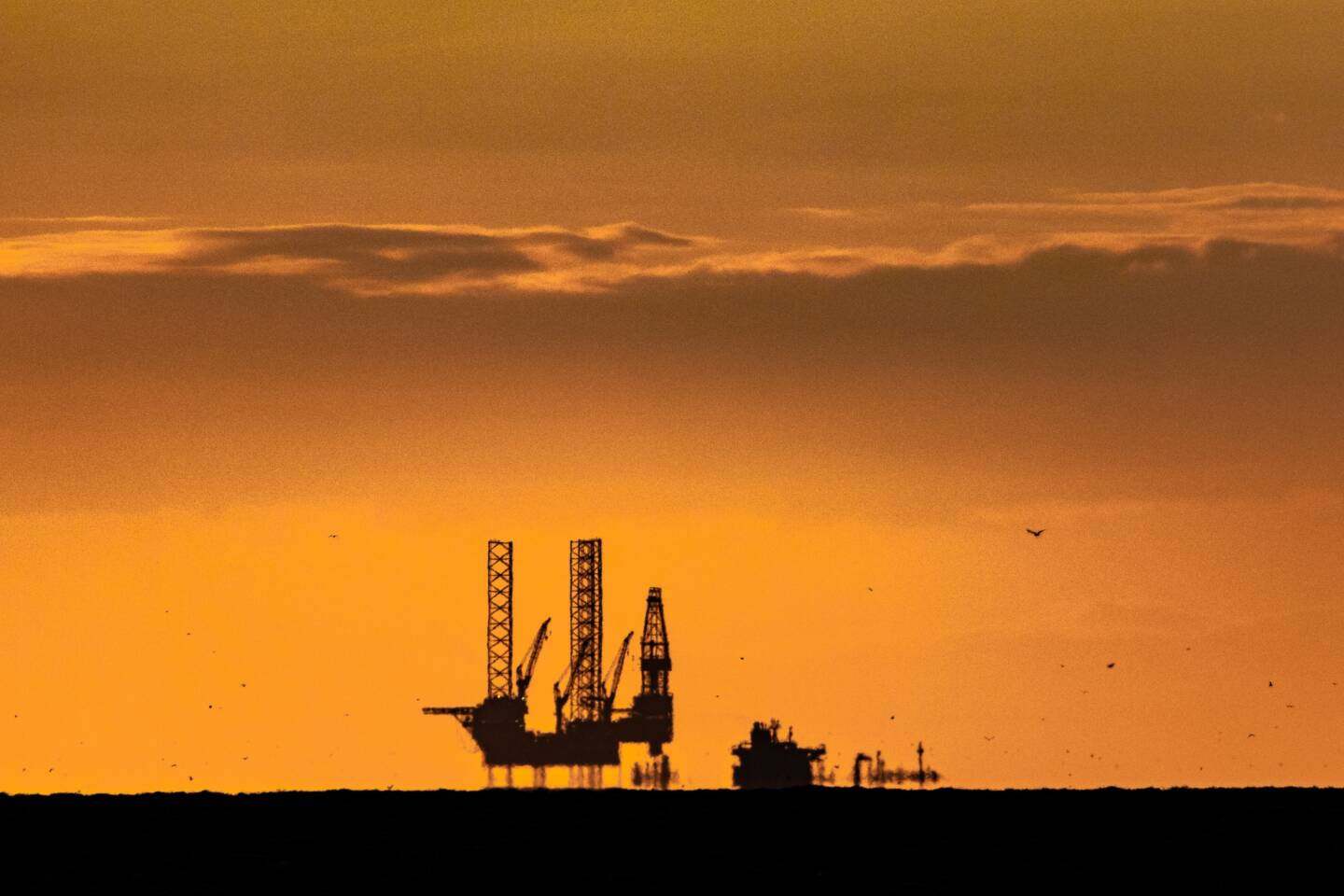
Grenadians are likely to face higher food prices in the coming weeks as rising fuel and shipping costs, driven by global tensions, begin to filter through to import-dependent economies like Grenada.
For a country that depends heavily on imported food and goods, any increase in those costs is expected to hit directly, pushing up prices and putting more pressure on already stretched households.
Economic Development Minister Lennox Andrews said the impact is likely to spread across the economy, with fuel prices playing a central role. “Increase in fuel cost will have a ripple effect across the economy, leading to higher costs for goods and services,” Andrews said at a recent press conference in St George’s.
He said one of the main ways to reduce that pressure is by producing more locally. “If we focus on domestic production as a substitute for many of the goods that we are importing, then we should be able to buffer an external shock that would lead to higher prices and a reduction in supply.” He added: “In that regard, we have the Food Security Programme in place where we are focusing on increasing domestic production.”
Days before the government addressed the issue, Peter David, political leader of the Democratic People’s Movement (DPM), warned that Grenada needed to move quickly to strengthen local agriculture. He called for “meaningful subsidy to our farming community,” arguing that boosting domestic production is critical if the country is to cushion the impact of rising global prices. His comments came as concerns were already building about the potential economic fallout from the conflict.
Labour leaders are also warning that the impact could go beyond rising prices. Andre Lewis, President of the Management Committee of Grenada Trades Union Council (GTUC), said additional financial pressure on workers could affect the country’s “social outlook” and even lead to unrest. “This is not a time to look to maximise on profit,” he said, urging employers to “put people before profit.”
Even before the current global situation, Leader of the Opposition Emmalin Pierre had been raising concerns about the cost of living, pointing to high food prices already affecting consumers. She has called for the government to review and expand the Price Control List for essential items, remove the levy on water, reduce Value Added Tax (VAT) on electricity, and provide targeted support to the fishing industry.
Pierre argued that inefficiencies in government spending are contributing to what she describes as a “hidden tax” on households and businesses across Grenada, Carriacou and Petite Martinique.
With uncertainty on the global stage continuing, the reality for many Grenadians is simple; prices may be heading up again, and there is little control over how high they will go. For families already trying to manage, the concern now is how much more they will have to adjust just to keep up.









Focussing on domestic food production is good but any subsidy now will do nothing for the current food crisis. The mindset of the wealthy has to change. I notice that they prefer imported chicken which is full of chemicals. Also tge government has alot to answer. The last time I was there I saw garlic selling imported from China. That is an unnecessary import. You just throw garlic cloves anywhere on the ground on Grenada and it grows. No doubt these types of imports are allowed in as sone kind of sweetheart deal with China for all those construction projects. There are no free lunches as they say!