











by Michael Derek Roberts
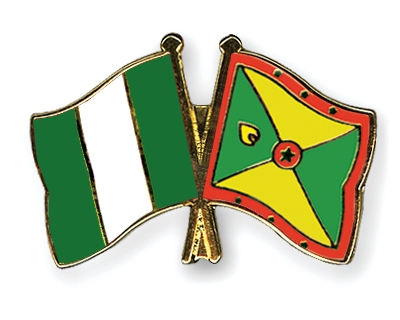
Grenada’s move to open its doors to Nigerians is more than a visa policy change; it is a strategic signal that the island is trying to widen its diplomatic and economic horizons beyond the familiar Caribbean and North Atlantic lanes.
At a time when small states must compete for investment, tourism, talent, and trade, Grenada appears to be betting that closer ties with Nigeria could unlock a larger and more dynamic relationship across the African diaspora.
According to reporting on the initiative, Grenada has approved visa-free access for Nigerian passport holders and is seeking stronger cooperation in trade, tourism, investment, education, and eventually direct air links. That is a significant step for a country the size of Grenada because it suggests an outward-looking foreign policy that treats diplomacy not as ceremony but as an engine for economic growth.
For Grenada, this is also a practical move. The island’s economy has long depended on tourism, services, and foreign exchange, so any policy that broadens its market reach deserves serious attention. Nigerian entrepreneurs, investors, students, and professionals represent a potentially valuable channel for new business activity, especially in sectors such as healthcare, agriculture, real estate, and finance. If Grenada can convert diplomatic goodwill into concrete exchanges, the benefits could extend well beyond airport arrivals and embassy announcements.
What makes the story especially important is its timing and symbolism. The Africa-Caribbean relationship has been gaining renewed visibility, and Grenada is positioning itself as a bridge rather than a bystander. That matters because small Caribbean states often speak about South-South cooperation in abstract terms, but few move decisively enough to make it real. Grenada is now trying to do exactly that, and Nigeria — Africa’s most populous country and one of its biggest economic players — is a logical place to begin.
Still, the policy will only succeed if it is matched by execution. A visa-free announcement is only the beginning. The real test will be whether Grenada can build the administrative systems, transport links, business facilitation, and diplomatic follow-through needed to turn openness into results. Direct flights, simplified business entry, and active private-sector partnerships would all help, but they must move from discussion to delivery.
There is also a broader geopolitical message here. Grenada is asserting that Caribbean foreign policy can be ambitious, commercially relevant, and globally connected without losing its identity. That is the kind of diplomacy that can benefit a small nation: not loud posturing, but smart alignment. If handled well, the Grenada–Nigeria opening could become a model for how Caribbean governments deepen ties with Africa in ways that are tangible, profitable, and culturally meaningful.
In the end, Grenada’s outreach to Nigeria is best understood as a bold bet on shared opportunity. It is a diplomatic masterstroke only if it produces real movement in trade, tourism, investment, and people-to-people exchange. If it does, Grenada may have found a way to turn a visa decision into a larger story of economic diplomacy and Atlantic repositioning.