







by Martin Felix
As the United Nations enters the second year of the Second International Decade for People of African Descent, the accelerating realities of climate change and their devastating impact on Small Island Developing States can no longer be treated as peripheral concerns.
Across the Caribbean and the wider Global South, human-made climate change is reshaping daily life. For people of African descent, particularly the more than 200 million living in formerly enslaved and colonised territories of the Americas, the climate crisis is not a distant or abstract threat. It is a lived reality, inseparable from history, structural inequality, and the struggle for survival.
This crisis is unfolding at a moment when global climate governance itself is weakening. In a move that has sent shockwaves through diplomatic circles, United States President Donald Trump has confirmed that his administration will withdraw from 66 international organisations, including 31 United Nations bodies. Many of these institutions play critical roles in climate policy, sustainable development, peacebuilding, and international accountability across Africa and the Caribbean. The withdrawals extend to cornerstone frameworks such as the UN Framework Convention on Climate Change, as well as key non-UN bodies including the Intergovernmental Panel on Climate Change and the International Renewable Energy Agency. Taken together, these decisions signal a deepening retreat by major industrial powers from their climate responsibilities, raising serious questions about the future of multilateral cooperation and global accountability.
In this context, the growing momentum to place climate change at the centre of the Second International Decade for People of African Descent (2025–2034) is both timely and essential. The science is unequivocal. In 2025, the Americas recorded some of the hottest days ever measured, driven by prolonged heat waves from February through July.
Record-breaking temperatures swept across North America — including the US Southwest, Alaska, and Canada — as well as the Caribbean, Central America, and South America. Each year now appears to surpass the last. Extreme heat is intensifying droughts, straining already fragile infrastructure, and fueling wildfires. Urban areas are particularly vulnerable, as concrete and asphalt trap heat and create “urban heat islands,” the very “concrete jungle” Bob Marley described in 1970s Kingston.
The Caribbean’s increasingly destructive hurricane seasons further expose the region’s vulnerability. Recent storms affecting Jamaica, Grenada, Carriacou, St Vincent, Cuba, Haiti, and The Bahamas are no longer “natural disasters” in any meaningful sense. They are climate-driven events, amplified by warming oceans and atmospheric instability. Each storm leaves behind a familiar pattern of devastation: flattened homes, damaged infrastructure, lost livelihoods, and communities forced to rebuild again and again with limited resources. Almost every year, at least one Caribbean state is pushed to the brink by what has become a grimly predictable cycle.
Hurricanes are stronger. Heat waves are longer. Sea levels are rising. And the burden falls most heavily on those who contributed least to the crisis.
The Caribbean is not drowning by accident. It is being pushed under by the combined forces of climate change, political indifference, and development models that ignore history, ecology, and people. For small island states, this trajectory is unsustainable. Climate change is eroding not only coastlines but also sovereignty itself. As industrialised countries retreat from climate commitments and global responsibility, the urgency for Caribbean nations to deepen cooperation among themselves becomes undeniable. Collective action, regional planning, shared science, coordinated policy, and mutual support are no longer optional; they are a necessity for survival.
Too often, global discourse fixates on nature’s fury while failing to confront human responsibility. This failure is mirrored locally by weak environmental governance and low levels of sustainability consciousness, particularly at the level of state leadership. The consequences are tangible and severe. In Grenada, coastal erosion following a 2017 storm event at Sauteurs Bay revealed how poor planning can magnify climate damage. Sanctioned sand mining and a poorly designed breakwater destabilised a coastline that had protected an ancient Kalinago burial ground for centuries, washing human remains and artefacts — some dating back to AD 300, with burials from AD 900 to 1200 — into the sea.
A similar pattern is unfolding at Levera Wetland, one of Grenada’s most ecologically rich and culturally significant sites. There, development pressures threaten mangroves, coral reefs, endangered sea turtles, and archaeological remains in the pursuit of short-term economic gains. Climate resilience cannot be built on environmental sacrifice zones, nor can it succeed without regional standards and shared commitments to environmental protection.
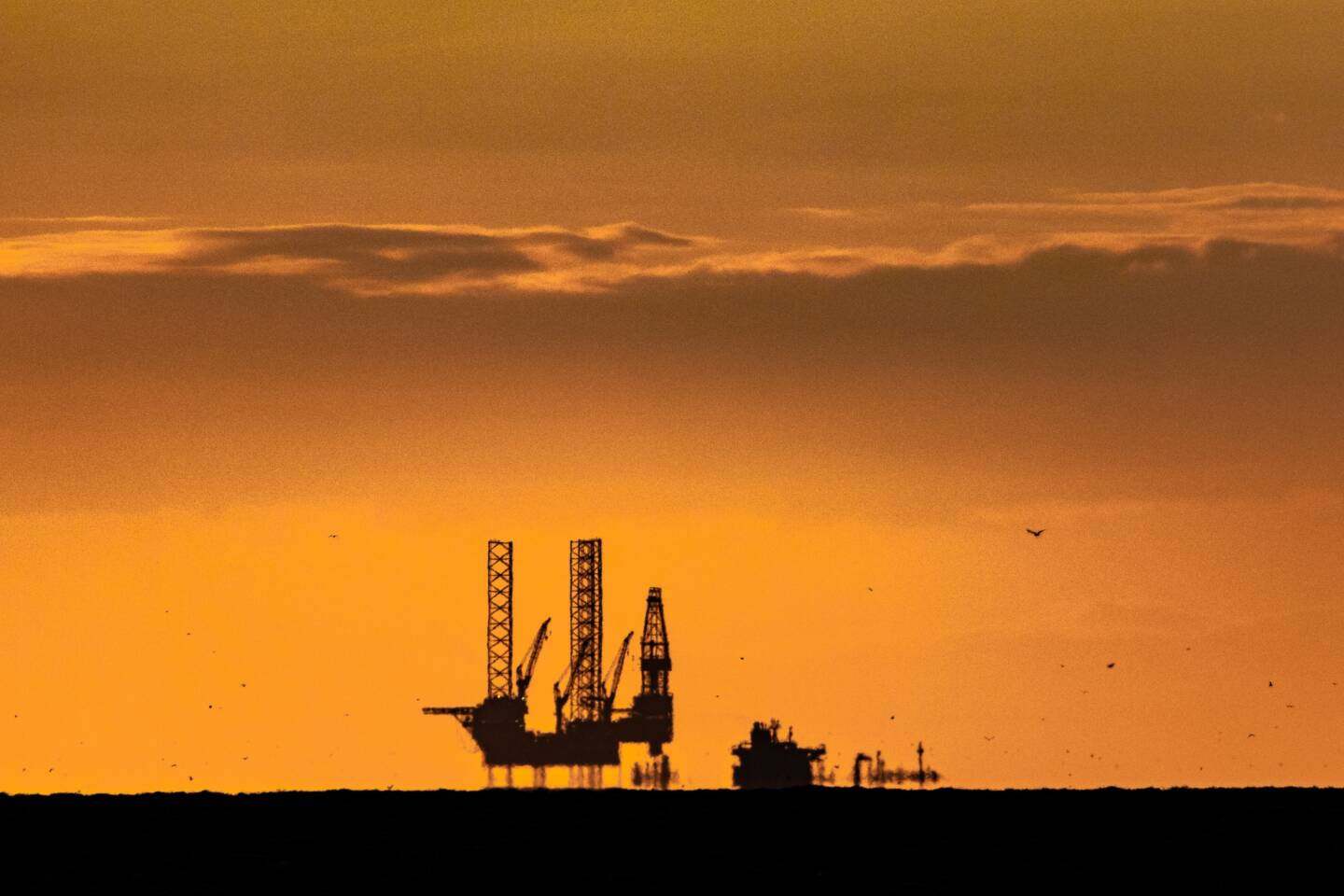
Global political backsliding has only deepened these risks. As major polluters withdraw from multilateral agreements, abandon climate institutions, and expand fossil fuel production, they externalise the costs of inaction onto vulnerable nations. Caribbean people absorb these costs through flooding, food insecurity, economic instability, and forced migration. In response, regional unity becomes not only a moral imperative but a strategic one.
The Caricom Reparations Commission has consistently emphasised that climate change cannot be separated from historical injustice. The plantation economy produced structural poverty and underdevelopment, leaving Caribbean societies dangerously exposed to environmental shocks. Today, climate change, driven largely by industrial economies, magnifies that inherited vulnerability. Reparatory justice must therefore include climate justice, encompassing adaptation financing, technology transfer, and institutional support.
There are, however, important lessons within the region itself. Cuba’s long-standing commitment to conservation and scientific research demonstrates that locally grounded, people-centred approaches can yield meaningful results. Despite the severe constraints imposed by the US embargo and escalating climate pressures, Cuba has invested heavily in environmental stewardship and climate science. Approximately 25% of its marine and coastal areas are protected, including the Caribbean’s largest mangrove forest and more than one-third of the region’s coral reefs.
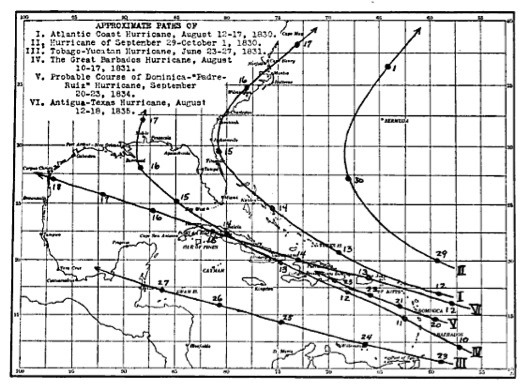
Cuba has also built robust research institutions and compiled extensive climate data, particularly on hurricanes. Stretching 700 miles and lying directly in the hurricane belt, the island recorded 121 hurricanes between 1791 and 2023. Its Institute of Meteorology has produced detailed regional datasets that could greatly strengthen Caribbean climate planning. Yet political isolation limits the region’s ability to fully share and benefit from these best practices — an obstacle that deeper Caribbean cooperation could help overcome.
Encouragingly, momentum is growing through South–South collaboration. The African Union and the Caribbean Community (Caricom) have forged a strong alliance around reparatory justice. The AU has designated 2025 as the Year of Reparations and 2026–2036 as the Decade of Reparations, while Caricom continues to press former colonial powers for apologies, debt relief, and developmental investment. Central to this agenda is the explicit linkage between reparations and climate justice, reflecting the Caribbean’s disproportionate vulnerability. The call for a global tribunal to address historical atrocities further underscores the demand for accountability and collective redress.
Caricom has also signalled its intention to integrate environmental justice through instruments such as the Environment and Natural Resources Policy Framework, emphasising sustainable development, climate resilience, and equitable resource use. These efforts point toward a regional vision in which environmental protection, economic development, and social justice are mutually reinforcing.
In an era of growing unresponsiveness from industrialised nations, solidarity among Caribbean states and the wider Global South is not a radical proposition — it is a survival strategy. The region faces a multilayered crisis shaped by history, climate, and inequality. Without deeper cooperation, responsible governance, and a justice-centred approach to climate action, rising seas will continue to wash away lives, heritage, and futures that should have been protected.
Martin P Felix is a Grenadian educator in New York.








The UN IPCC is lying and everyone who follows the science knows it. Do not wast even one cent on trying to stop the climate changing