












by Nisha Paul
- Military Museum of the Chinese People’s Revolution, located near Tiananmen Square
- Established in 1960, now spans 159,000 square meters, housing over 160,000 artefacts
- Ambassador Marshall believes Grenada can draw valuable lessons from China’s approach to historical preservation
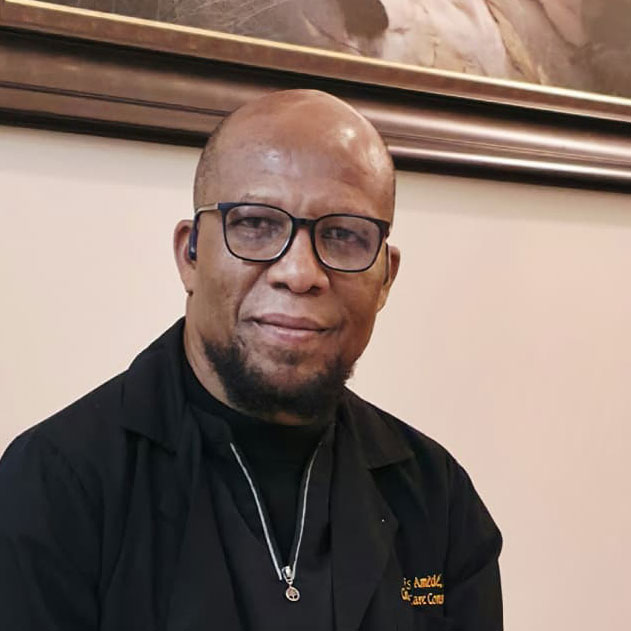
Grenada’s Ambassador to China His Excellency Ian Marshall has praised China’s approach to preserving its military and cultural history as a model for small nations like Grenada to emulate.
His remarks came during a visit to Beijing, where he attended China’s grand military parade earlier this month to mark the 80th anniversary of China’s victory in the War of Resistance Against the forces of aggression, a pivotal chapter in World War II.
The ambassador, who first witnessed China’s commemorative events as a student in 2005, described the 2025 parade as a profound experience. “Observing the parade and reflecting on the advancements in military technology — both hardware and software, including artificial intelligence — was truly remarkable,” he noted. “It underscores the People’s Republic of China’s commitment to safeguarding its sovereignty, peace and stability, a dedication that commands respect.”
The parade, held in Tiananmen Square, featured over 20,000 troops and an array of advanced weaponry, reflecting President Xi Jinping’s vision to modernise the People’s Liberation Army (PLA), possibly the world’s largest standing military. Ambassador Marshall was particularly impressed by the precision and discipline of the troops. “The soldiers moved in such perfect unison, their synchronised steps resembling a single, cohesive unit. He indicated that this display of unity and determination reflects the strength and resolve of the Chinese people.”
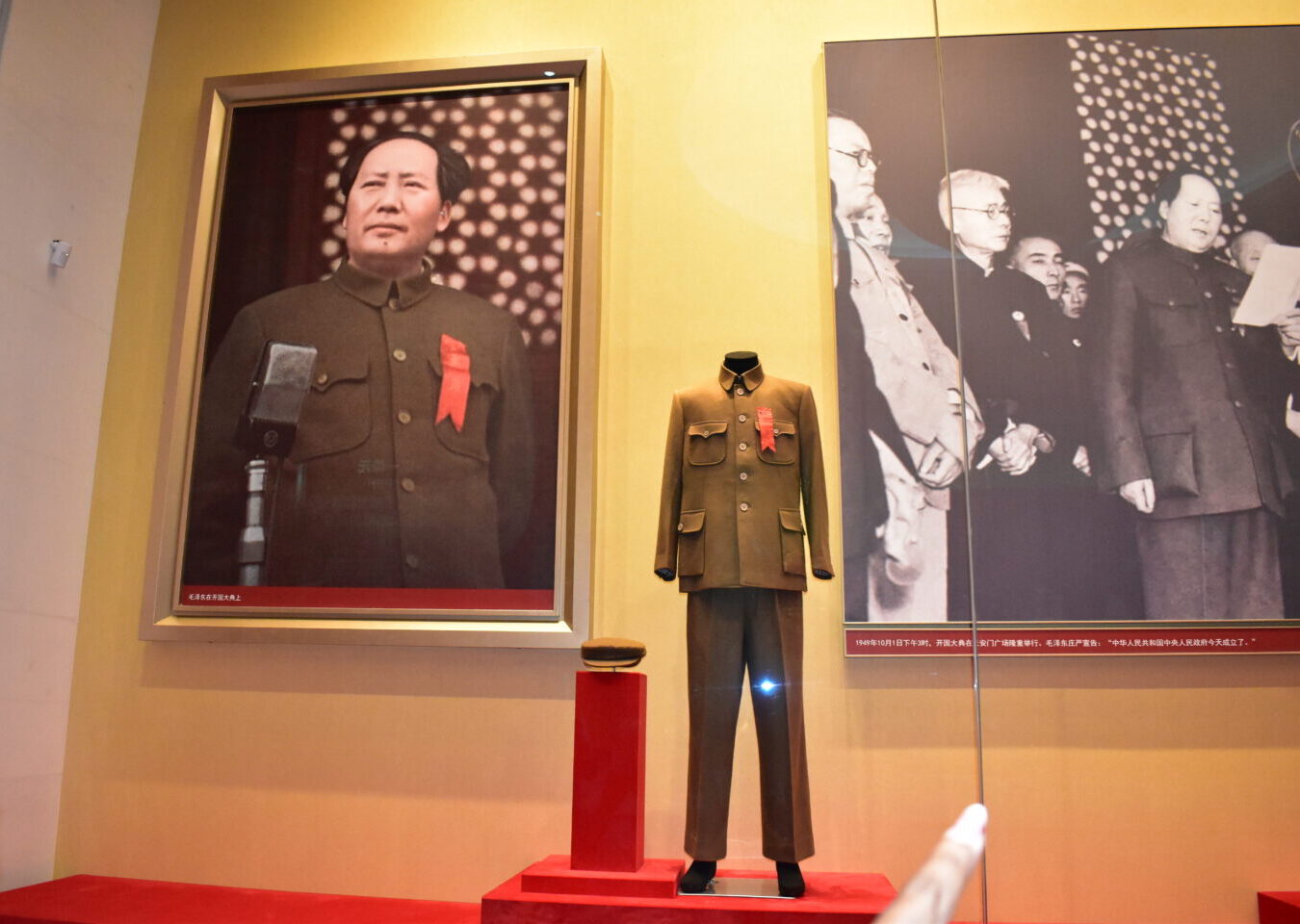
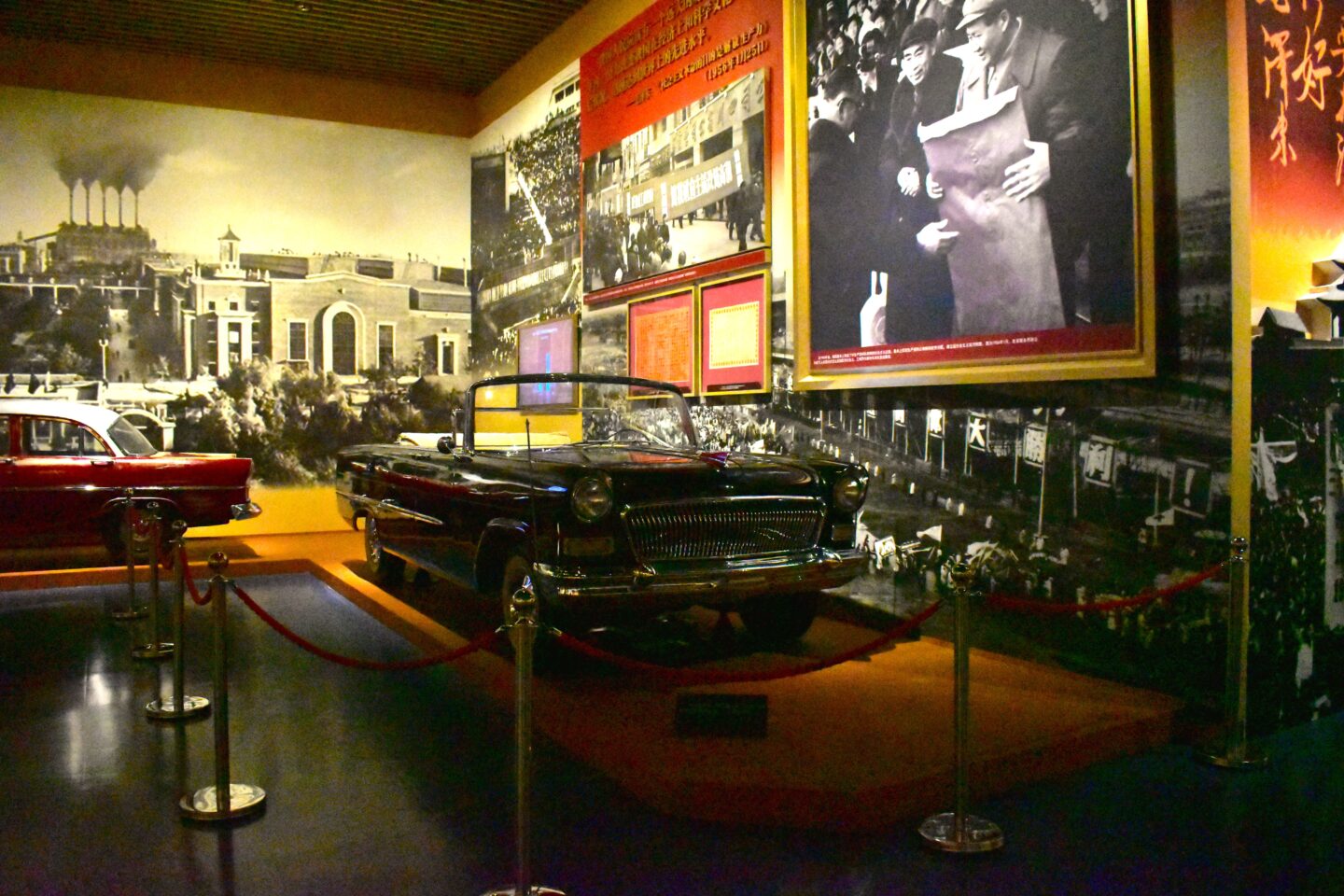
Beyond the spectacle of the parade, Ambassador Marshall found inspiration in the Military Museum of the Chinese People’s Revolution, located near Tiananmen Square. Established in 1960 to commemorate the 10th anniversary of the People’s Republic of China, the museum underwent significant renovations in 2017 and now spans 159,000 square meters, housing over 160,000 artefacts. Its exhibits chronicle China’s historical journey from the Opium Wars and colonial challenges to the resilience displayed during the War of Resistance (1931–1945), a 14-year conflict that profoundly shaped modern China.
Stepping into the museum, visitors are immersed in a vivid narrative of China’s struggles and triumphs. The exhibits blend historical artefacts — such as Qing dynasty cannons, tattered uniforms, and soldiers’ letters — with modern displays, including digital reconstructions, fighter jets, and ballistic missiles.
One hall, dedicated to the War of Resistance, features detailed dioramas of key battles alongside personal stories of sacrifice, offering a poignant reminder of the human cost of conflict. For Chinese citizens, the museum serves as both an educational resource and a source of national pride.
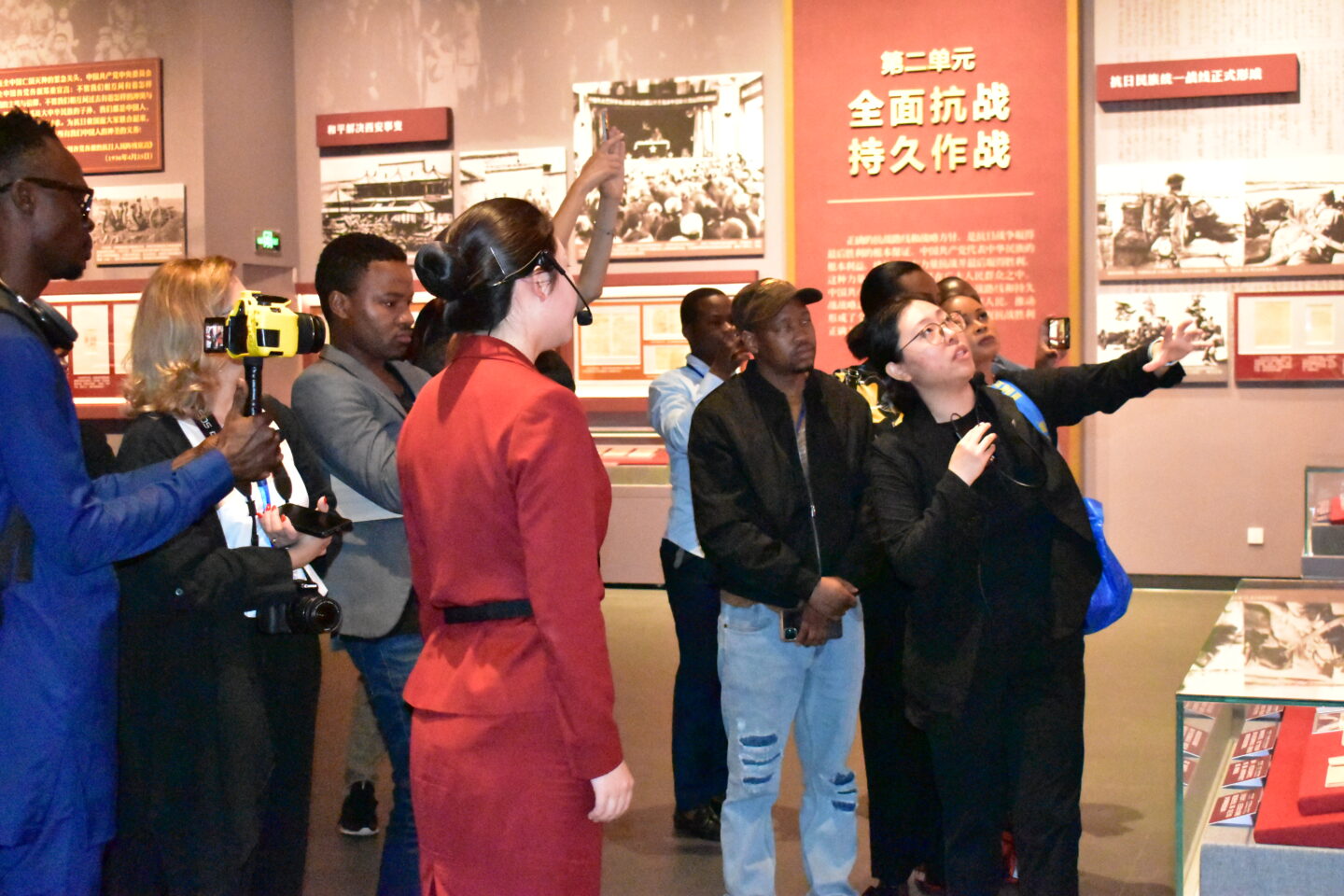
Gigi, a tour guide at the museum, shared her perspective: “While I learned about the history of the Communist Party of China in school, the museum provides a richer, more nuanced understanding. Its exhibits highlight the sacrifices of our heroes, and sheroes, the nation’s journey out of poverty, and the resilience of our people. It makes history feel immediate and relevant, connecting visitors to the past in a powerful way.”
Ambassador Marshall believes developing nations like Grenada can draw valuable lessons from China’s approach to historical preservation. “Just as China uses its museum to educate future generations about its past, developing nations must continue to preserve and share its own history — from the era of slavery and emancipation to our independence and subsequent challenges,” he said. “By doing so, we can foster a stronger sense of national identity and cultural pride among Grenadians.” He emphasised the potential for Grenada to adopt China’s use of interactive and modern technologies to present its history. “The Ministry of Culture in Grenada could explore digital displays and immersive exhibits to make our history accessible and engaging,” he suggested. “I am confident that China would be open to sharing its expertise in curating such experiences, fostering collaboration in cultural preservation.”
For Ambassador Marshall, the significance of China’s efforts extends beyond military achievements. “China’s commitment to supporting developing nations, without imposing undue conditions, is noteworthy,” he said. “From my experiences in China since 2005, I have observed a genuine spirit of partnership that aims at shared goals of progress and development.” The ambassador concluded with a broader reflection: “China’s parade and its Military Museum are not merely displays of strength; they are powerful reminders of the importance of remembering history — its struggles, sacrifices, and triumphs. For Grenada, embracing this approach can inspire future generations to build a stronger, more unified nation.”
The Military Museum of the Chinese People’s Revolution stands as a testament to the enduring power of history to shape identity and guide progress. For developing nations, it offers a compelling example of how to honour the past while forging a path toward the future.