







by Michael Derek Roberts
For the 15 members of Caricom, the relationship with the United States of America has always been challenging.
In fact, the superpower to the north has long seen the Caribbean region as its “backyard” and has treated it as such, prompting Grenada’s deceased revolutionary prime minister, Maurice Bishop, to cryptically remark: “We’re in nobody’s backyard.” There is ample evidence to suggest that the region has not benefited from its close proximity to the United States, given the low level of the region’s productive forces and the lag in and absence of any meaningful transfer of technology.
The election of Donald Trump as US President in 2024 ushered in a new era of unpredictability in American foreign policy, characterised by an “America First” approach, scepticism toward multilateral agreements, and a focus on immigration and trade restrictions. For Caribbean island nations which have long relied on strong ties with the US for trade, tourism, and security, this shift presents both challenges and opportunities. So, to navigate this new reality, Caribbean nations must adopt proactive, strategic, and pragmatic approaches.
First, Caribbean nations should prioritise the acceleration of regional integration through organisations like Caricom (Caribbean Community) to amplify their collective voice. This strengthening of regional unity is critical in dealing with the erratic and transactional persona of the US president. A unified bloc, despite its relatively small size and lack of critical mass, can negotiate more effectively with the Trump administration on issues like trade, climate change, and security. By presenting a cohesive, united front, the Caribbean can ensure its interests are not overlooked in bilateral discussions.
Secondly, the historical overreliance on the US as a trading partner leaves Caribbean nations vulnerable to policy shifts in the second decade of the 21st century. Diversifying economic relationships with other global players, such as China, the European Union, and Canada, can mitigate risks. For example, deepening ties with China through infrastructure investments and trade agreements can provide alternative sources of funding and markets. The region’s pivot to Africa, as evidenced by Grenada’s approach, is a step in the right direction. And too, the Asian Market is poised to become — with BRICS Plus blessings — a major economic region. So, it makes perfect sense for Caricom to look to these regions for development partnerships as they quietly shift away from the US, which sees the region simply as a dumping ground for cheap goods and services.
The Caribbean’s cultural influence, particularly in music, sports, and tourism, can be a powerful tool. By promoting cultural diplomacy, Caribbean nations can strengthen their appeal to the American public and policymakers. Engaging the relatively large Caribbean diaspora in the US — in such large cities as New York and Miami — can also help build political support for issues affecting the region. This “soft power” is non-threatening and can pay huge dividends when done right.
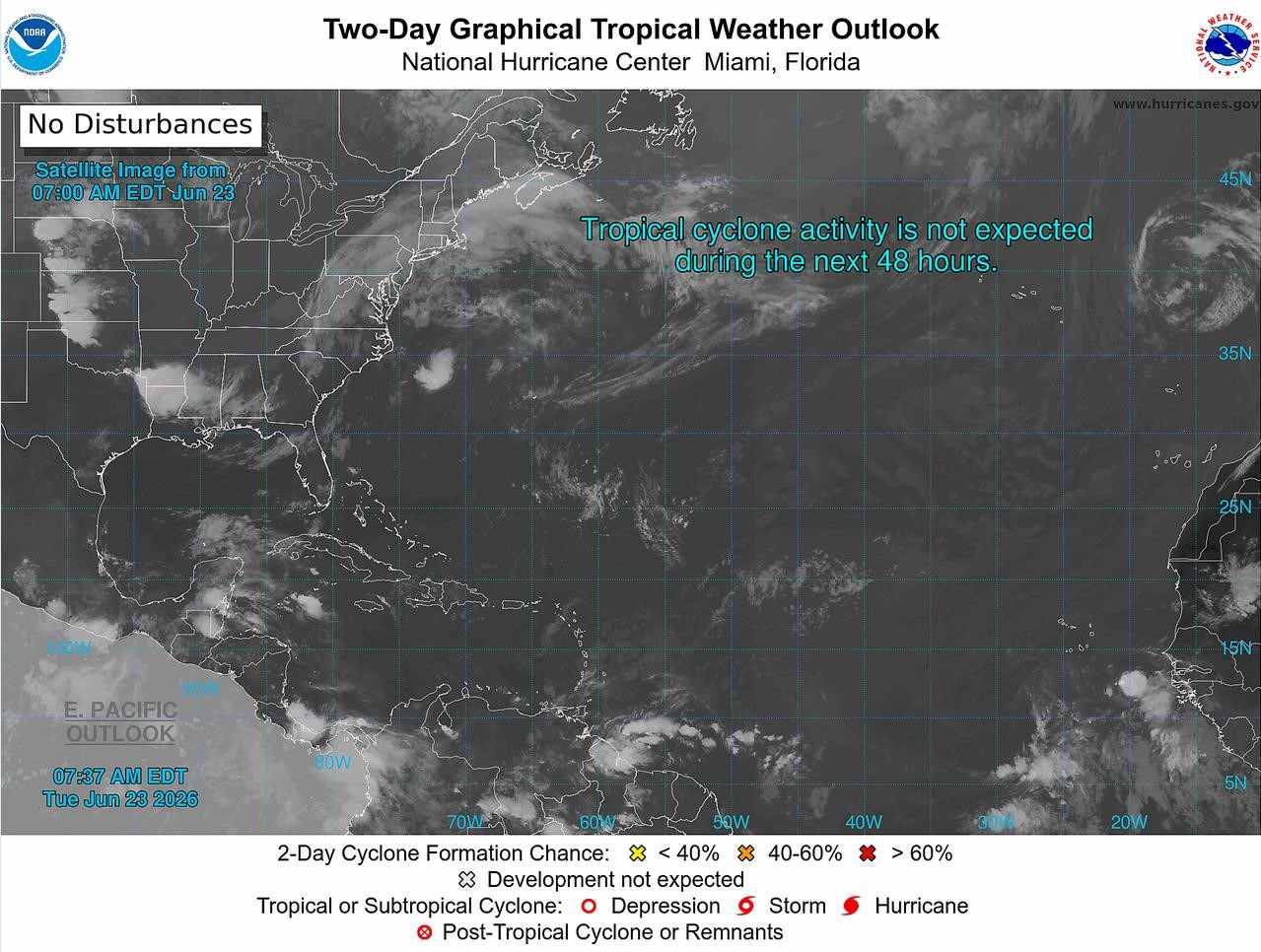
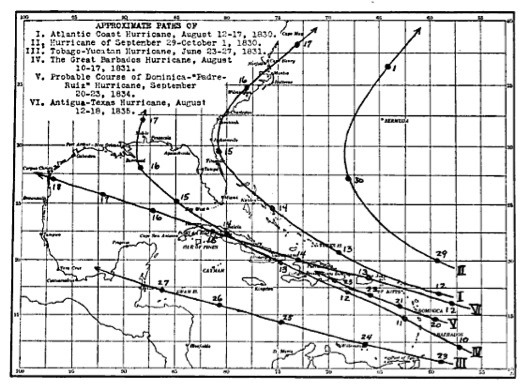
Today, there is absolutely no doubt that climate change poses an existential threat to ALL Caricom nations. In July of 2024, Grenada suffered from the ravages of Hurricane Beryl, and Prime Minister Dickon Mitchell has joined his Barbadian counterpart, Mia Mottley, as the leading voices on climate change from Caricom. Despite the Trump administration’s withdrawal from the Paris Agreement, Caribbean leaders should continue to advocate for global climate action. Partnering with US states, cities, and businesses committed to sustainability can help bypass federal inaction and secure support for climate resilience projects.
In my view, Caricom nations must also continue to press the United States Administration when it comes to crime in the region, and in particular, gun trafficking. The reality is that no Caribbean nation manufactures such weapons, yet their nations now suffer from serious gun crimes. This is a mutual interest that helps both the US and the region. Caribbean nations should also emphasise other areas of mutual interest with the US, such as combating drug trafficking, enhancing maritime security, and promoting economic stability. By framing these issues as win-win opportunities, the region can foster collaboration with the Trump administration.
Still, the region MUST prepare for immigration challenges — including deportations of nationals back to their homelands. Caricom nations should not always see the deported as “criminals.” In fact, the vast majority of deportees have only overstayed their visitor’s visa and, therefore, became undocumented. Many have worked in industries and services in places like New York, Miami, Houston, etc. and can bring invaluable skills “back home.” So, Caribbean nations should not always see deportees as a net negative.
Of course, the Trump administration’s restrictive immigration policies could impact Caribbean nationals in the US and remittance flows to the region. Caribbean governments should, therefore, prepare by strengthening local economies, creating job opportunities, and exploring alternative remittance channels.
While the Trump administration’s policies may create uncertainty, they also offer Caribbean nations an opportunity to reassess and strengthen their strategic priorities. By fostering regional unity, diversifying partnerships, leveraging soft power, and focusing on mutual interests, the Caribbean can not only navigate the Trump era but also emerge more resilient and self-reliant. The key lies in adaptability, creativity, and a steadfast commitment to the region’s long-term development.
Michael Roberts is a New York City-based professional Grenadian journalist, Editor of Caribbean Times News, and political strategist for over 32 years.








Great piece Bro. Mike. The Caribbean leader will have to continue to toe the line while standing firm on theie non aligned position. Grenada’s steps to establish friendly relations ith, China, the EU n the The Arab states show that yes we are willing to step outside the box n favour new friends, who are friendly n less demanding. Our independence will be tested. We now have strong Leaders who are willing to take it to the US. We are not backyard dwellers. We desrve a spot in the front yard!