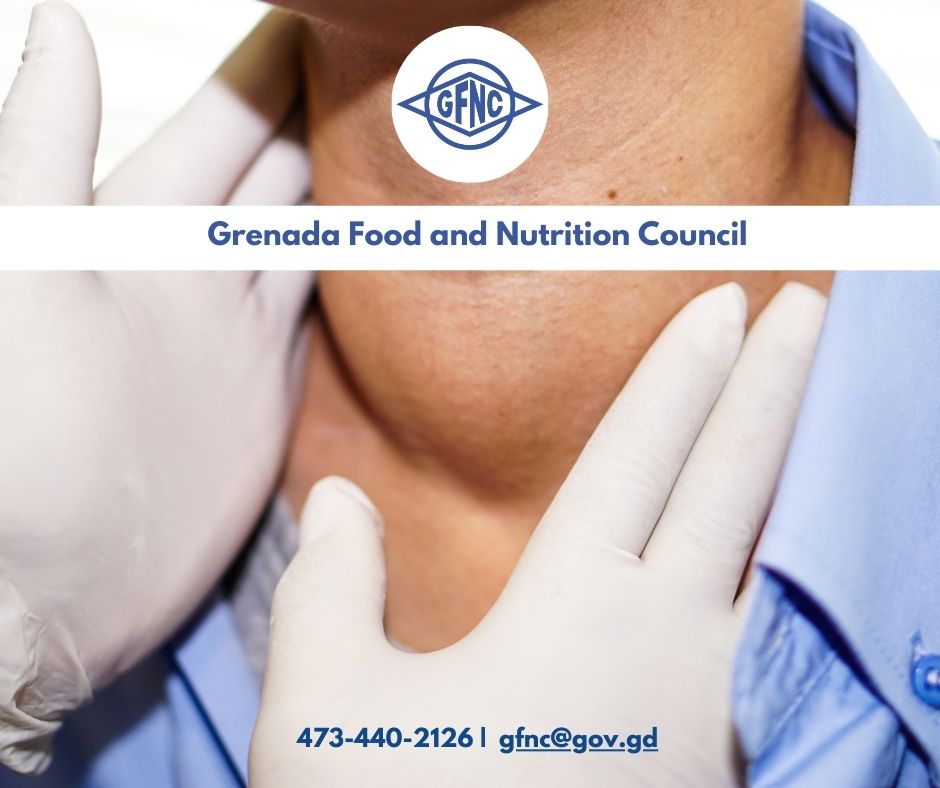












The thyroid gland, located in the neck, plays a vital role in regulating energy levels, metabolism, and heart rate.
Thyroid health issues often manifest as either an underactive gland (hypothyroidism) or an overactive gland (hyperthyroidism). These conditions may present visibly as a neck bulge or be diagnosed through blood tests. To help manage these conditions, the Grenada Food and Nutrition Council provides the following dietary recommendations.
Hypothyroidism
A deficiency in iodine is a leading cause of hypothyroidism, as highlighted in the 2024 study, Dietary Patterns and Hypothyroidism in US Adult Population. This condition can result in goitre growth and symptoms like fatigue, depression, irregular menstrual cycles, high cholesterol, feeling cold, constipation, and unexplained weight gain. An average person aged 14 and older needs about 150 micrograms of iodine daily.
To support thyroid function alongside prescribed medication, consider incorporating iodine-rich foods into your diet:
- Seafood: Sea moss (56–98 mcg/1 tablespoon), unsalted cod (99 mcg/3oz serving)
- Dairy: Yogurt (75 mcg/cup), milk (56 mcg/cup)
- Legumes: Black-eyed peas, lima beans (2–3 mcg/1/2 cup cooked)
- Fruits: Bananas (3 mcg), dried prunes (5 prunes/13 mcg)
- Others: Eggs (24 mcg), liver (15–30 mcg/3oz), green peas (2–3 mcg/1/2 cup)
- Foods like cruciferous vegetables: Bok choy, cassava, cauliflower, broccoli and soy disrupt iodine uptake by the body; if used, be sure to cook before eating in moderation.
Do not take iodine supplements unless recommended by your health care provider. Too much iodine can worsen your condition.
Hyperthyroidism
According to Healthline, hyperthyroidism occurs when the thyroid produces excessive hormones. Symptoms include weight loss despite increased appetite, heat intolerance, excessive sweating, hand tremors, heart palpitations, diarrhoea, and mood swings.
For individuals with hyperthyroidism, avoiding iodine-rich foods is crucial. Instead, focus on foods that help manage the condition, such as:
- Cruciferous vegetables: Bok choy, cassava, cauliflower, broccoli
- Protein sources: Red meat, turkey
- Healthy fats: Avocado oil, sunflower oil
- Nuts and seeds: Sunflower seeds, pumpkin seeds
- Legumes: Lentils
- Supplements: Vitamin D (check with your doctor for appropriate options)
Taking charge of your thyroid health starts with informed dietary choices, but it’s equally important to maintain an open dialogue with your healthcare provider. Your doctor can guide you in managing your condition and help monitor your progress.
For personalised nutritional advice tailored to your needs, reach out to the Grenada Food and Nutrition Council at (473) 440-2126 or email [email protected]. The GFNC team is here to support you on your journey to better health — because every step you take matters!
GFNC