










by Curlan Campbell
- 36% of students across region obtained passing grades, a 7 percentage point drop from previous year
- Overall decline in academic performance may be linked to lasting impact of Covid
- Poor regional mathematics performance to be discussed at next Caricom Summit
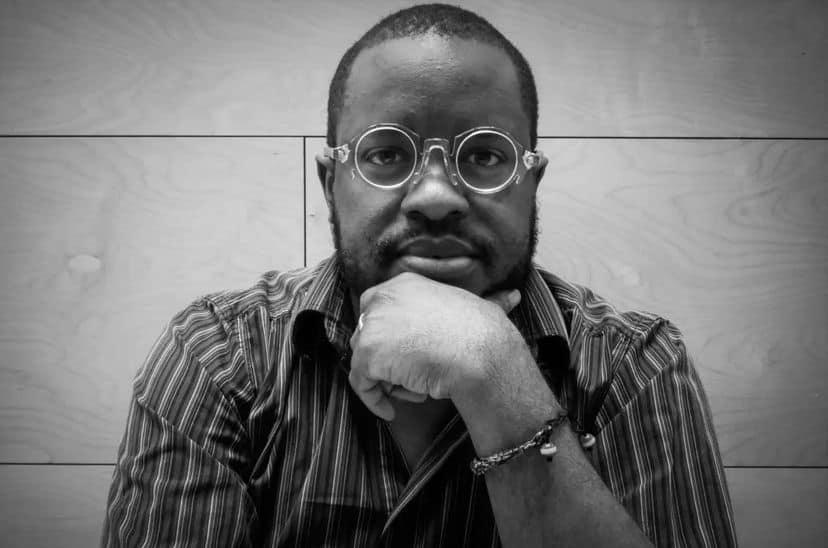
Social worker Dr Leo Edwards is concerned about how parents’ reactions to their children’s academic struggles may negatively impact a child’s self-esteem and future performance.
Dr Edwards is a mental health consultant, therapist, and lecturer from Grenada. With over 14 years of experience in the human services field, he holds a PhD in Social Justice Education from Lancaster University (UK), a Master of Social Work from the University of Toronto, and a Bachelor of Social Work from York University.
His concern arises from the suggestion that the recent declining pass rate in CSEC Mathematics, and an overall decline in student academic performance may be linked to the lasting impact of the over 2-year Covid-19 pandemic.
A recent report from the Caribbean Examinations Council (CXC) in Barbados indicates a decrease in the number of students achieving passing grades in mathematics for the Caribbean Secondary Education Certificate (CSEC). Only 36% of students across the region obtained passing grades, a 7 percentage point drop from the previous year.
As Dr Edwards highlighted, several factors need to be improved for students to reach their full potential. This is to be expected, as it aligns with the broader challenges our educational system faces during the post-pandemic recovery. “These include challenges in curriculum delivery, teacher preparedness for new teaching methods, and the emotional and psychological impact of the pandemic on students, all of which have contributed to these results. Overcoming these challenges requires a comprehensive approach that strengthens support systems both inside and outside the classroom.”
He emphasised the crucial role parents play in supporting their children’s mental well-being during and after exams. He highlighted the potential negative impact of parents’ reactions when their children fail in school, and that parental disappointment, anger, shame, and withdrawal of emotional support can lead to lower self-esteem, increased anxiety, and a fear of failure in the future. He said parents play a vital role in helping students maintain a positive mental outlook before, during, and after exams. However, when students fail, parents’ reactions can negatively affect children in the long term. “In the long run, these negative reactions can affect the child’s willingness to take risks, decrease their natural curiosity, and contribute to chronic stress or depression. Parents need to understand that failure is often a necessary step on the path to success. How parents respond to their children’s failures can either empower them to keep trying or leave long-lasting emotional scars,” he stated.
The social worker stated that parents dealing with their child’s poor academic performance can offer valuable support by responding without judgement. “First, they can acknowledge their child’s feelings of disappointment or frustration. Active listening is key — allowing the child to express their emotions without interruption or judgment. Afterward, parents should reassure their child that one set of exam results does not define their future or their worth.”
He said to help alleviate this pressure, parents should:
- Open Lines of Communication: Encourage regular, non-judgmental conversations about school and exams
- Set Realistic Expectations: Reinforce the idea that doing their best matters most, rather than achieving perfect scores
- Provide Balance: Ensure the child has time for relaxation, hobbies, and social interactions to decompress
- Seek Professional Help: Consulting a school counsellor or a mental health professional can be beneficial if the pressure seems overwhelming
He also suggests that parents observe changes in their child’s behaviour to identify signs of excessive pressure. These signs, he said, may include increased irritability, withdrawal from social activities, sleep disturbances, or a sudden decline in academic performance. “Physical symptoms such as headaches or stomachaches can also indicate stress,” he added.
Dr Edwards recommended techniques for parents to cope with the situation and help rebuild their child’s confidence:
- Encouragement and Affirmation: Highlight the child’s strengths and remind them of past successes
- Problem-solving together: Assist the child in creating a plan for improvement by identifying areas of weakness and finding additional resources or tutoring
- Celebrating effort over results: Focus on the hard work the child put into their studies, regardless of the outcome
Currently, Dr Edwards leads health equity initiatives at one of Canada’s largest mental health teaching hospitals and lectures part-time at a community college. In addition, he runs a private practice specialising in psychotherapy and counselling for Black individuals and people of colour, and provides training on equity and diversity issues.
Meanwhile, regional leaders like Guyana’s President Irfaan Ali have also pointed to the recent CSEC performance being linked to the Covid-19 pandemic. This poor mathematics performance by children across the region should be discussed at the next Caricom Summit, slated for February 2025.