







by Linda Straker
- Minister Telesford among cabinet ministers visiting Carriacou for opening of schools
- PAHO council will discuss tobacco control, early warning systems, and reinforce health sector
- PAHO regional meetings enable Member States of the Americas to understand national and regional implications and agree on key issues
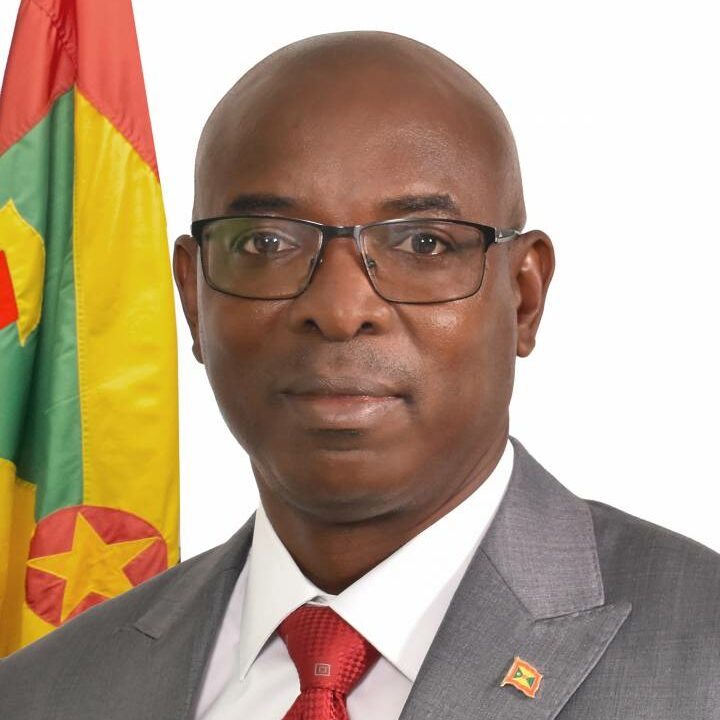
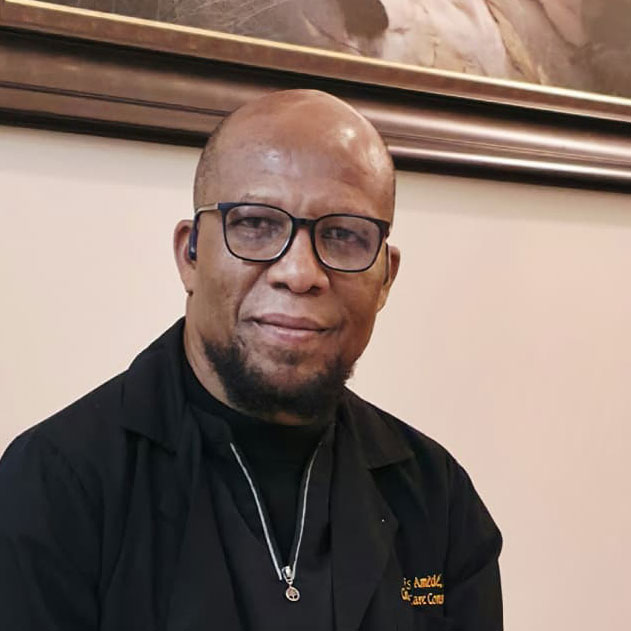
Health Minister Philip Telesford is not attending the Ministers of or for Health in the Americas who are currently in Washington attending the 61st Directing Council meeting of the Pan American Health Organisation (PAHO), which opened on 30 September. Until 4 October, the council will discuss and agree on strategies and plans to strengthen tobacco control, improve early warning systems for emergencies, and reinforce the health sector in the face of climate change.
Instead, Minister Telesford was among cabinet ministers visiting Carriacou for the opening of schools in that Grenadine island. Schools there had a later opening because of the devastation caused by Hurricane Beryl.
In his remarks at the opening of the meeting, Dr Jarbas Barbosa, PAHO Director, reflected on continued efforts towards restoring services following the Covid-19 pandemic, and committed to strengthening emergency and pandemic preparedness in the region. The Director said that November will mark the 100th anniversary of the Pan American Sanitary Code, which set out to prevent the spread of communicable diseases, encourage information sharing among countries, and standardise health approaches to prevent disease transmission across borders. And with World Health Organisation (WHO) Member States now finalisng negotiations of a new Pandemic Accord, “100 years later, these themes still resonate,” Dr Barbosa said. “The Covid-19 pandemic revealed Latin America and the Caribbean’s structural dependence on imported vaccines and other health technologies, geographic concentration in innovation and production capacities, and vulnerable global supply chains.”
A PAHO news release said, “To ensure the health interests of the region are taken into account in the Pandemic Accord, PAHO has convened 4 face-to-face regional meetings to enable Member States of the Americas to better understand the national and regional implications and to agree on key issues.
The PAHO Director also underscored the organisation’s Innovation and Regional Production Platform of Medicines and Health technologies, “which will work in hand with our Regional Revolving Funds to promote the generation of regional ecosystems and initiatives to strengthen capacities for innovation, development, and production of health technologies.”
As part of this, PAHO is currently in negotiations with Pfizer to localise and provide early access to one of the most advanced vaccines in Pfizer’s pipeline. This initiative “would be a concrete example of PAHO’s efforts to leverage the Revolving Fund to strengthen the regional production of vaccines and build capacity to foster and develop pandemic preparedness in the region,” Dr Barbosa said.
When it comes to pandemic recovery, the PAHO Director highlighted several areas of progress in the region, including a halt in the decline of routine vaccination coverage, the relaunch of the Elimination Initiative — an effort to eliminate more than 30 communicable diseases and related conditions in the Americas by 2030 — and collaborations with the Inter-American Development Bank (IDB) on digital health, among others.
Dr Barbosa also expressed his solidarity with the people of the countries affected by Hurricane Beryl in July and underscored that the organisation “will continue to stand with you to restore services, build resilient health systems, and protect the health of your communities.”
Concluding his speech, the PAHO Director said that “we have the opportunity to change the lives of millions of people. I pledge to use the full strength of our organisation to achieve the goals and commitments we have made today.”
This is a developing story. More to come later.