











by John Angus Martin
On 1 July 2024, Hurricane Beryl struck Grenada and devastated the sister isles of Carriacou and Petite Martinique.
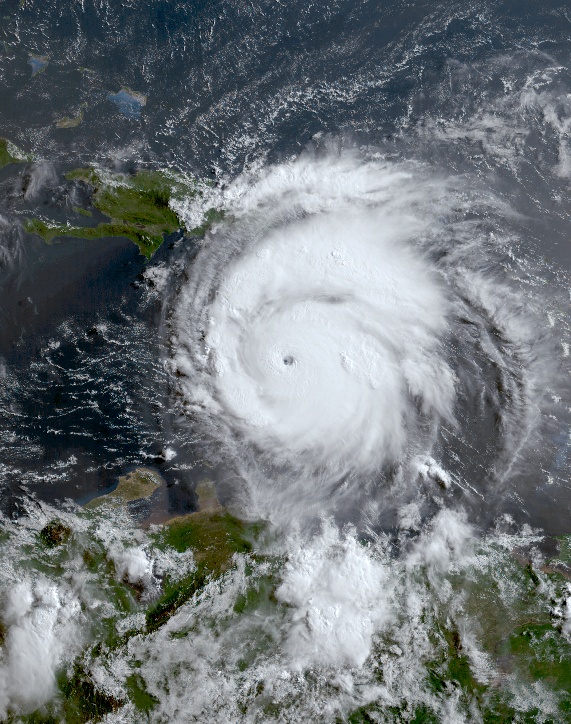
The hurricane that would devastate the islands of the Grenadines began in an unusual manner. Though it was the second named storm, it would become the first named hurricane of the season, developing quite rapidly and becoming the “earliest-forming Category 5 hurricane on record in the Atlantic Ocean” and the strongest to develop before July.
Making landfall on 1 July, it almost defied the traditional rhyme “June too soon!” as the time to expect storms and hurricanes was in “August, a must!”
On the morning of 1 July, it was clear that the path of the rapidly moving hurricane that was breaking meteorological records from the start would take it over northern Grenada and the small Grenadine islands. By mid-morning, Hurricane Beryl made landfall across the state of Grenada and the islands of St Vincent and the Grenadines. The “high-end Category 4 hurricane” struck the islands of Carriacou and Petite Martinique directly and devastated them as it raged across the small islands. Although parts of northern Grenada were severely affected, the eye of Hurricane Beryl passed over the Grenadines, particularly Carriacou and Petite Martinique, leaving a trail of devastation across the sister isles.
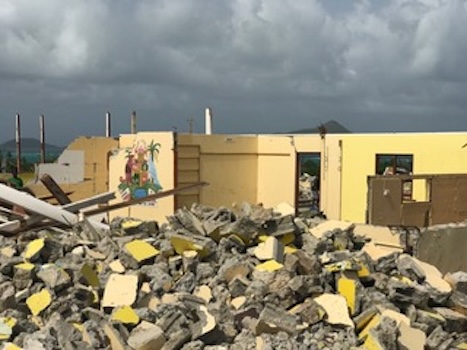
It has been reported by Government of Grenada officials that approximately 95% of buildings were damaged or destroyed; a majority lost their roofs. The images from Carriacou and Petite Martinique show a landscape of devastation and destruction, which Prime Minister Dickon Mitchell, after flying over Carriacou, described as “complete devastation.”
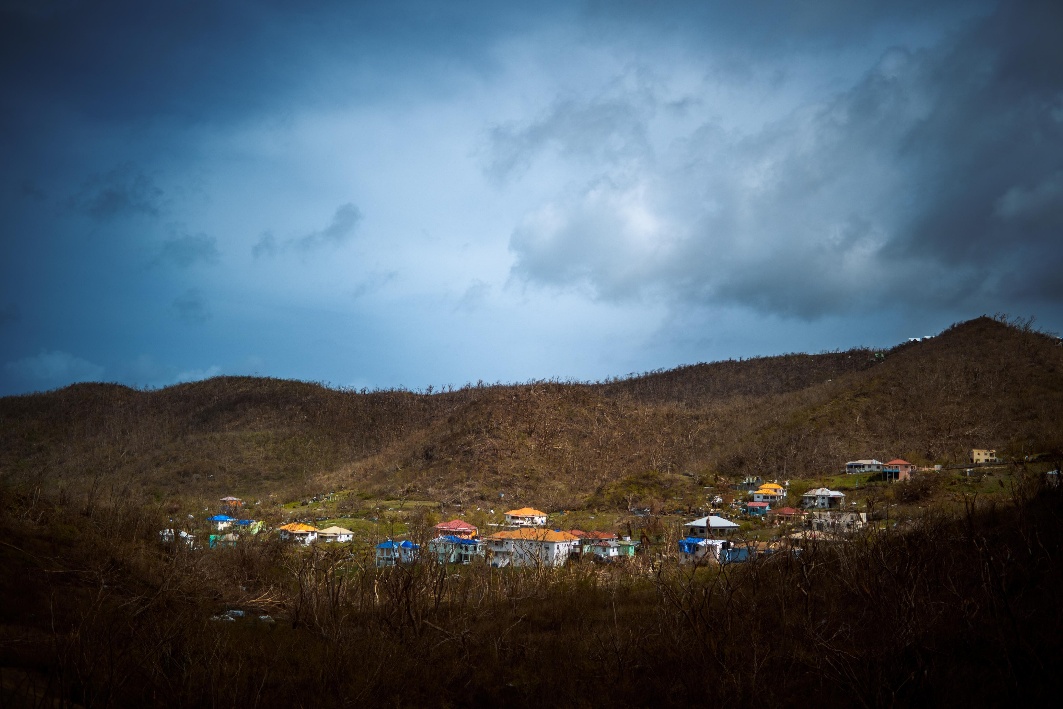
In a matter of hours, Carriacou and Petite Martinique, known for their picturesque beauty and cultural heritage, lay forlorn and prone in the wake of Hurricane Beryl. The devastation was writ large across the 2 islands, with uprooted and leafless trees exposing the catastrophic landscape left behind, covered with piles of debris from the destroyed buildings. Three people were killed as a result; one in Grenada when a tree fell on a house and crushed its occupant. The almost total destruction of the communication network made it difficult to learn the extent of the damage in Carriacou and Petite Martinique. It took a few hours before the central government was able to establish lines of communication and begin the process of providing immediate assistance to Grenadians in the sister isles.
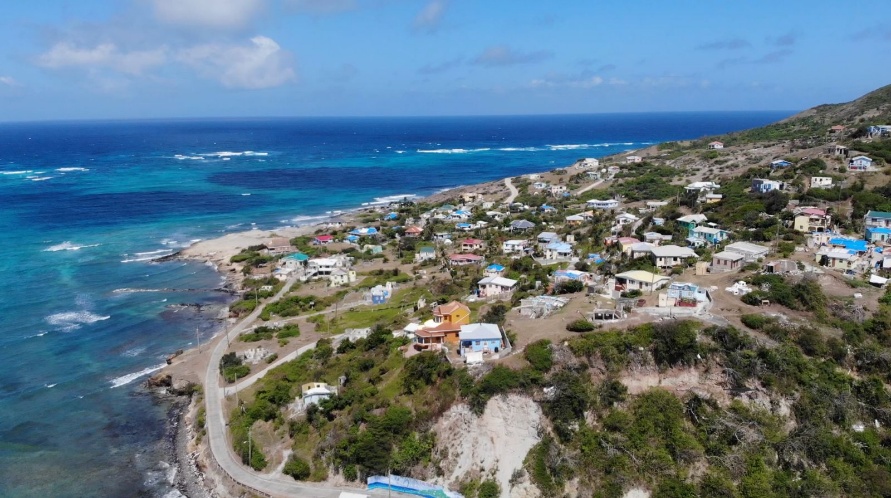
One year on, the people of Carriacou and Petite Martinique, with the help of the people of Grenada and others, have made progress in getting their lives back together and rebuilding their islands and making it the place where they celebrated some of the tri-island state’s resilient cultural heritage. Despite the regrowth of trees and bushes, there is still lots to be done as many homes await rebuilding, businesses to reopen, the mangroves to be reseeded and life returning to normal.
We all look forward to the return to the warm and enriching celebrations of Maroon Fest, Big Drum Dance and Sugaring the Piton as Shakespeare Mas’ dance through the streets of Hillsborough, telling us that Carriacou and Petite Martinique are back in full force.