









by Curlan Campbell
- First Caribbean Disability Conference held in Grenada 9–13 October
- Dr Morris is member of UN Committee on Rights of Persons with Disabilities
- Financial institutions should prioritise including provisions for people with disabilities when distributing grants and loans
A strong message was delivered to the region’s politicians on behalf of differently abled people, stressing the importance of their inclusion in government policy decisions, or else their votes should be withheld until this becomes a reality.
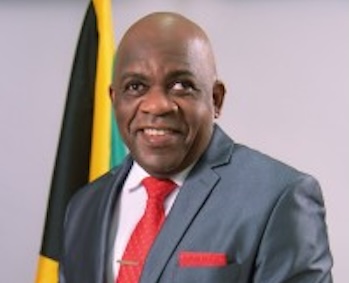
This bold statement was made by Senator Dr Floyd Morris, Director of the Centre for Disability Studies at The University of the West Indies (The UWI) in his feature address at the first-ever Caribbean Disability Conference held in Grenada.
Speaking directly to differently abled people, Dr Floyd Morris, emphasised that when it’s time to vote, they must ensure that they cast their vote for candidates who will advocate for their interests. “I strongly believe that without inclusion, there should be no vote, and without empowerment, there should be no vote. People with disabilities must be included in the community and empowered with access to resources,” he said.
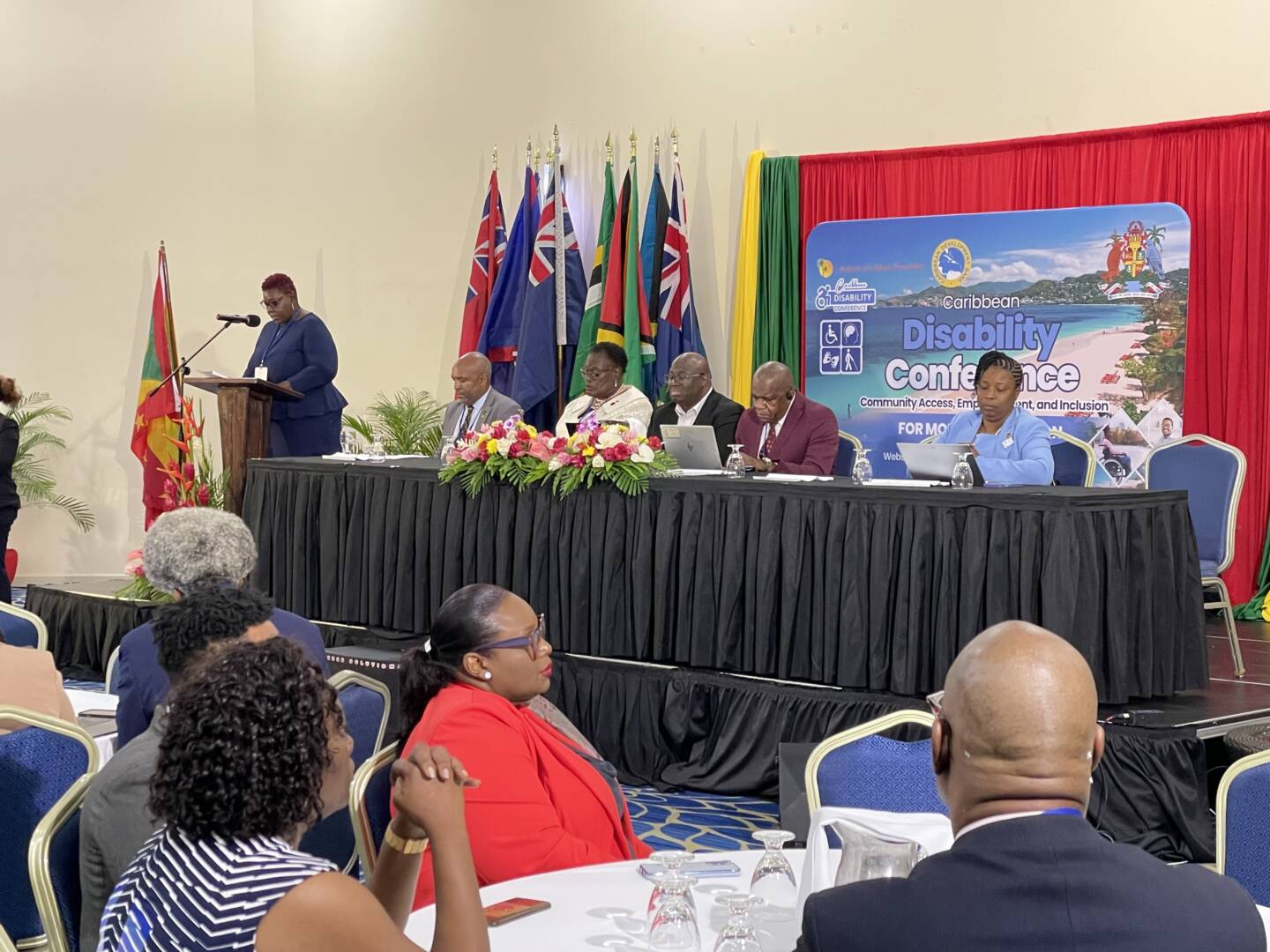
Opening ceremony of the Caribbean Disability Conference. Photo: Curlan Campbell
In a joint effort, the Authentic Caribbean Foundation (ACF), the Generation Grenada Foundation, the Government of Grenada, and the Caribbean Development Bank organised the first-ever Caribbean Disability Conference, from 9–13 October 2024. “Community Access, Empowerment, and Inclusion” the central theme for this conference, seeks to bring together a diverse group of stakeholders to engage in discussions about crucial issues surrounding disability and inclusion in the Caribbean.
Dr Morris made history as the first visually impaired professor appointed at The UWI and has spent many years advocating on behalf of differently abled people.
During his presentation, Dr Morris emphasised the need for a legislative framework to make the government and other stakeholders accountable for improving the quality of life for people with disabilities. He stated that this framework would help ensure affordable and high-quality healthcare for people with disabilities, establish an inclusive education system and create inclusive employment opportunities.
The Jamaican politician, who is also a member of the United Nations Committee on the Rights of Persons with Disabilities, reminded attendees of the legacy and institutions inherited from our colonial past. The transatlantic slave trade, he said, left many enslaved Africans permanently disabled, and the infrastructure at the time was never inclusive of the affected people, which remains the same today.
“And here I want to call upon the Caribbean development and other development partners that are here to ensure that in your developmental initiatives, in granting loans and grants to countries within the region, make sure that you index your loans and your grants to disability as a specific indicator so that when governments get loans and grants, provisions must be made for the inclusion and participation of people with disability.”
Dr Morris is urging development partners and regional financial institutions to prioritise including provisions for people with disabilities when distributing grants and loans to member countries. He specifically called upon Caribbean development and other partners present to ensure that, in their developmental initiatives, loans and grants provided to countries within the region should be linked to disability as a specific indicator. This means that when governments receive loans and grants, provisions must be made for the inclusion and participation of people with disabilities.
The global report commissioned by UNICEF is a key component of the conference, stressing the need for customised programme designs that cater to youth with disabilities. ACF and its partners will thoroughly analyse the findings of this report to ensure that the Caribbean region aligns with global efforts to support individuals with disabilities. The agenda will provide opportunities for breakout sessions covering various topics, including advocacy, awareness, education, legislative measures, and the challenges faced in achieving inclusion.