











by Curlan Campbell
- EU Carbon Tax on imports will set price on carbon emitted to make energy-intensive products
- Tax to ensure fair competition for goods produced within European bloc
- CCSA will work with Caribbean Export and Caribbean Association of Investment Promotion Agencies
United Nations Framework Convention on Climate Change (UNFCCC) Global Ambassador and Chief Executive Officer of Caribbean Climate-Smart Accelerator Racquel Moses is of the view that while the economic consequences of the EU Carbon Border Tax Adjustment Mechanism (CBAM – Carbon Tax) could be disadvantageous for developing economies in the region, this can also be an opportunity for the region to look at ways to decarbonise their economies in order not to lose market access.
The imposition of the EU Carbon Tax on the imports of carbon-intensive sectors will set a price on carbon emitted to make energy-intensive products like iron, steel, cement, fertiliser and aluminium in non-EU countries like India and China.
The EU aims to enforce this tax to decrease emissions from imports and ensure fair competition for goods produced within the European bloc, which adheres to stricter environmental regulations and is also deemed integral in supporting and funding the bloc’s climate goal of reducing 55% of emissions by 2030. However, the costly impact of this tariff on trading with the EU was a topic of discussion at this year’s COP28 in Dubai, with developing countries expressing concerns.
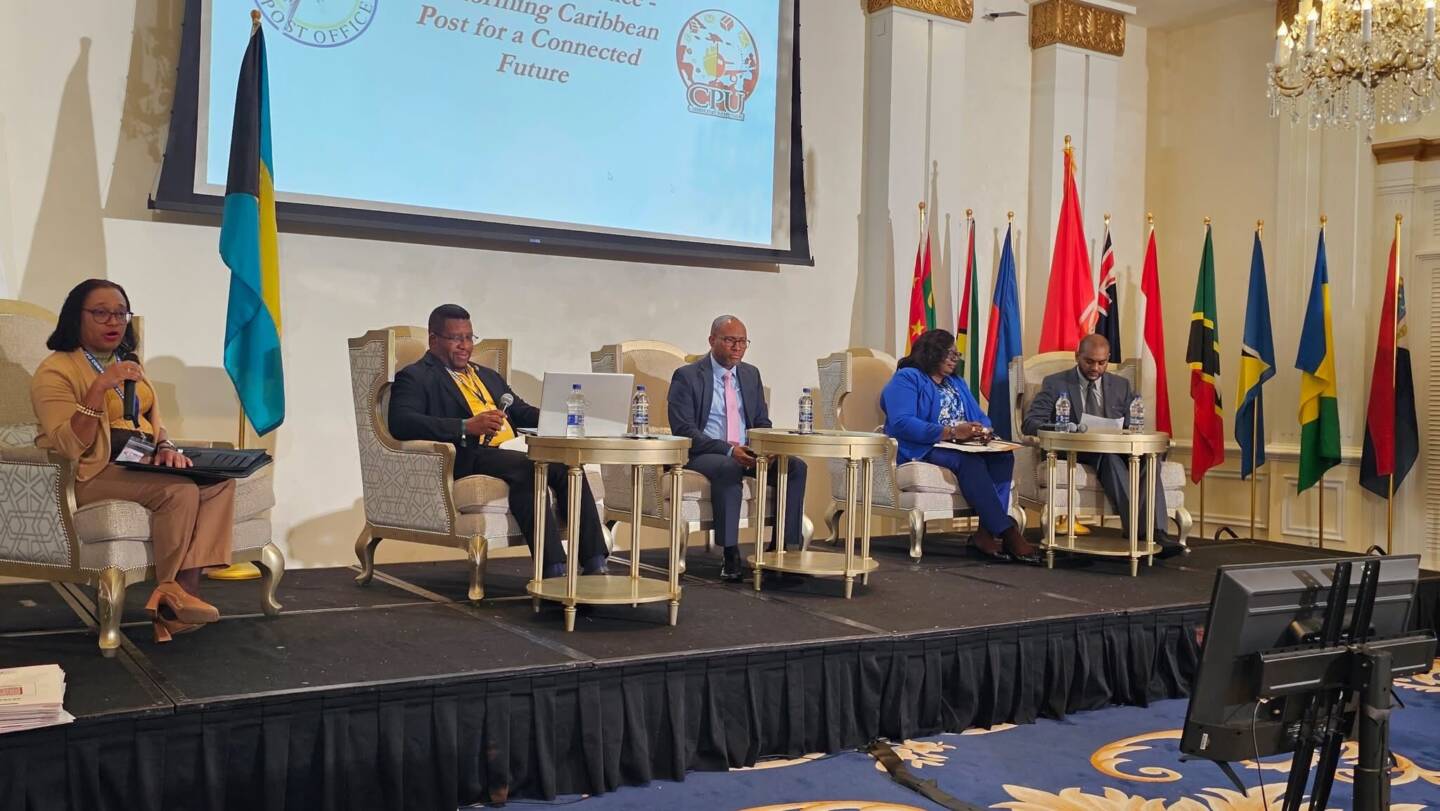
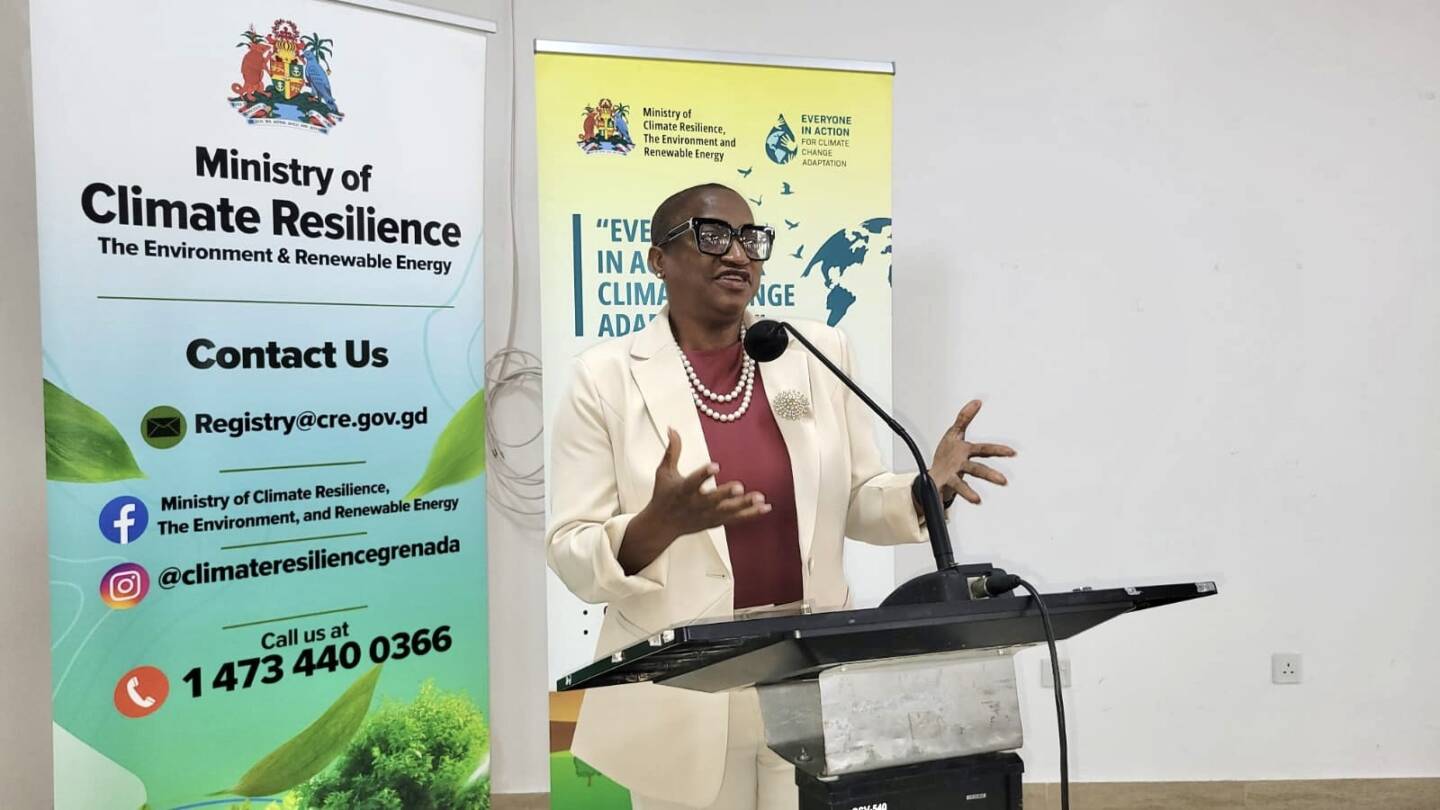
During the Caribbean Climate-Smart Accelerator (CCSA) post-COP28 press conference held this week, Moses addressed concerns about the likely negative impact of such a tax, saying that the region must now chart a new path towards greening their economies.
“I think it is likely that we are impacted by this carbon tax, something that the European Union implements on importation would likely impact us. The good news is when you look at our operationalisation of the free trade agreement that we have with the European Union, we don’t really access it very much. So it is an opportunity for us to use this new carbon tax to develop new products that we can then export to the European Union,” Moses said.
“And open up to take advantage of the gaps that this would create for other economies. We can’t produce at the same scale, but people aren’t looking as much for mass-produced products. They’re looking more for equal green and specialised and personalised solutions. So we have to start. Thinking ahead and being more proactive, looking at who is impacted and what are some of the substitute solutions and products that we can provide. To fill those gaps. So this can happen to us in either way. This can either be something that prohibits us from accessing that market or something that enables us,” she said.
The concerns raised by low and middle-income countries have been addressed by the Council of the European Union, which recognises and stands ready to assist these countries in the de-carbonisation of their manufacturing industries will take the form of specific technical assistance to help these countries adapt to the new obligations established by the CBAM.
Moses also indicated that while it is too early to say precisely what kind of support will be provided, the CCSA also stands ready to assist countries in the region in this transitional and gradual phase-in period of carbon tax. “We will support Caribbean countries in becoming greener. We think that it isn’t a matter of just our survival or you know, contributing to global mitigation. But our competitiveness requires that we are greener. We have to take that seriously. So any support that we can provide in that transition, we will provide and encourage countries to work together. Any training or other solutions that we can provide to aggregate requirements so that countries know how to address [them]. We work really closely with the Caribbean Export and with the Caribbean Association of Investment Promotion Agencies. And with them, we will find ways to help the green our solution so that we don’t lose any market access as a result of this new carbon tax,” she said.
Meanwhile, one of many highlights of this year’s COP28 summit in Dubai saw wealthier countries pledging over $700 million towards establishing a loss and damage fund. However, experts have stated that this falls short of the estimated $400 billion in losses developing countries face yearly.
Moses said while they have welcomed the grant funding that will become available, the amount pales compared to billions needed to address the issues caused by global climate change. “It is so important, you know, the IMF produced a report that said that 40% of the global losses due to climate change are happening in our region. And that is significant and we are economies that aren’t sufficiently robust to sustain 40% of the global losses on climate change. So these funds for climate, for loss and damage is, incredibly important for our region,” she said. “We’ve seen single events that have been 550 million, which was the first sort of tranche of funding announced on the first day we’re now at 792 million. But this fund needs to be in the billions quite easily. And how it’s accessed, how difficult it is and how easy and how quickly it’s mobilised are all fundamentally important…Turning pledges into cash is not an easy process. Turning a pledge into cash is a time-consuming, long and arduous process. And the reality of the situation is we don’t have the time. So we really need to make sure that we keep the governments that have made these commitments accountable, that we are clear about what this funding is and that it is grant funding and not loan funding for loss and damage.”
Despite its likely negative impact on some countries in the short term, Moses has deemed this move to implement a carbon tax necessary as this is expected to have a positive impact on the planet by reducing harmful emissions.