












• Latest
Strategising for sustainable development while navigating economic uncertainty

Another oil shock for the Caribbean

4 months ago
CPEA external examination 2024

Official summary results of the 2026 Caribbean Primary Exit Assessment

14 hours ago
Temporary closure of Palmiste Lane, Mabouya Road, St John

Temporary traffic restrictions: Seamoon bridge, St Andrew

15 hours ago
Linda Straker: A fearless voice for human rights and humanity

Linda Straker: A fearless voice for human rights and humanity

18 hours ago
Traffic notice: Settlement Road, Frequente

Temporary road closure: Ravine Public Road, St George

1 day ago

REOI: OECS Data for Decision Making Project – Consulting Services, Individual Consultant

1 day ago
People empowerment through construction 

People empowerment through construction 

1 day ago
OECS Heads of Government focus on trade, connectivity and economic resilience

OECS Heads of Government focus on trade, connectivity and economic resilience

1 day ago
Vacancy: Chief Executive Officer

GTA vacancy: Human Resource Manager

2 days ago
Grenada’s alcohol use reality

Grenada’s alcohol use reality

2 days ago
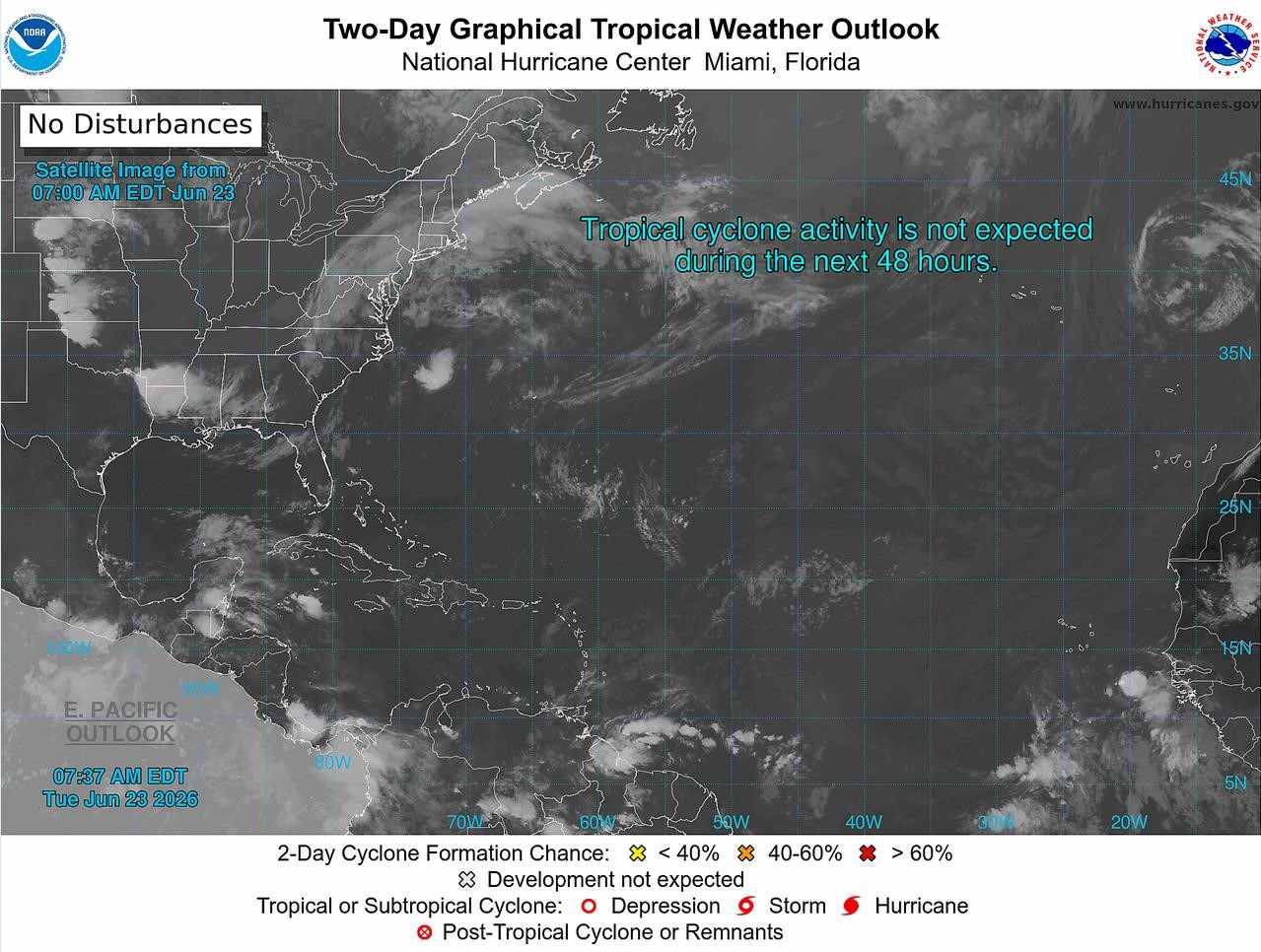
Tropical Weather Outlook:  Tuesday, 23 June 2026 (8 am)

Tropical Weather Outlook: Tuesday, 23 June 2026 (8 am)

2 days ago
This Day in History

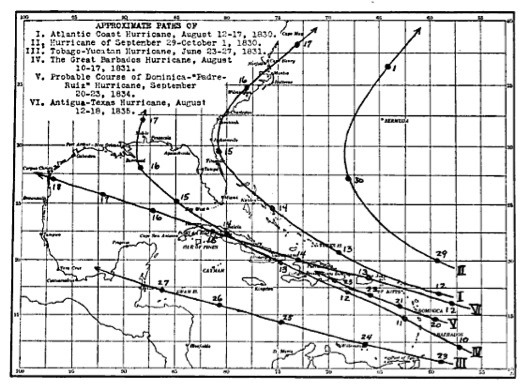
This Day in History: 23 June 1831

2 days ago

Grenada’s new Atlantic bridge to Nigeria could be a diplomatic turning point

2 days ago
NOW Grenada
  • Front Page
  • Categories
    • General News
      • All
      • Agriculture & Fisheries
      • Arts & Culture
      • Business
      • Education
      • Environment
      • Health
      • History
      • Lifestyle
      • Law
      • Politics
      • Technology
      • Travel & Tourism
      • Weather
      • Youth
    • Sports
      • All
      • Athletics
      • Cricket
      • Football
      • Watersports
    • Community
      • All
      • Tribute
    • Crime
    • Features
      • All
      • Today in History
    • Opinion/Commentary
    • Press Releases
      • All
      • Advertisements
      • Notices
  • Video
  • Notices & Vacancies
  • Advertise
  • Contact Us
No Result
View All Result
  • Front Page
  • Categories
    • General News
      • All
      • Agriculture & Fisheries
      • Arts & Culture
      • Business
      • Education
      • Environment
      • Health
      • History
      • Lifestyle
      • Law
      • Politics
      • Technology
      • Travel & Tourism
      • Weather
      • Youth
    • Sports
      • All
      • Athletics
      • Cricket
      • Football
      • Watersports
    • Community
      • All
      • Tribute
    • Crime
    • Features
      • All
      • Today in History
    • Opinion/Commentary
    • Press Releases
      • All
      • Advertisements
      • Notices
  • Video
  • Notices & Vacancies
  • Advertise
  • Contact Us
No Result
View All Result
NOW Grenada
No Result
View All Result

Another oil shock for the Caribbean

Lessons from the past, imperatives for the future

9 March 2026
in Business, Environment, OPINION/COMMENTARY, Politics
3 min. read
Kari Grenade
0
VIEWS
Share

by Kari Grenade, PhD, Caribbean Economist and Macroeconomic Advisor

As geopolitical tensions flare in the Middle East, the Caribbean once again is experiencing an oil shock.

For a region heavily dependent on imported petroleum, the déjà vu is unmistakable. From the 1973 embargo to the 2007–08 price spike and the 2022 post-pandemic surge, the Caribbean has weathered multiple energy crises. Yet each shock has exposed the same vulnerabilities: dependence, fragility, and the absence of long-term structural reform. Today’s crisis is not merely a repeat of history; it is a test of whether the region has learned from it.

The 1973 oil crisis saw global oil prices quadruple almost overnight, sending shockwaves through energy‑importing economies. For the Caribbean, then even more dependent on imported fuel than today, the impact was immediate. Electricity costs soared, food prices rose sharply, and tourism slowed as air travel became more expensive. Governments responded with short‑term rationing, conservation campaigns, and in some cases, state intervention in electricity generation. But long‑term diversification was limited.

The mid‑2000s brought another surge, driven by global demand, financial speculation, and supply constraints. Oil peaked at nearly US$150 per barrel in 2008. Caribbean countries, already burdened by high debt and limited fiscal space, struggled to cushion consumers. Some governments turned to the Petrocaribe initiative, which offered concessional financing for oil purchases. While it provided temporary relief, it also deepened dependence on a single supplier and delayed investment in renewable energy.

As the world emerged from Covid‑19 lockdowns, demand rebounded faster than supply. The Russia–Ukraine war further destabilised markets, pushing energy prices to their highest levels in a decade. Caribbean electricity bills surged, inflation spiked, and governments scrambled to subsidise fuel, food, and transport as well as protect the most vulnerable.

The latest shock has led to considerable disruptions in the Strait of Hormuz, a key passageway for approximately 20% of global oil shipments. This situation poses risks to supply stability and is already contributing to rising global oil prices. For Caribbean nations, where over 85% of energy consumption depends on imported petroleum, the impact is both direct and immediate:

  • Higher electricity costs and gasoline prices at the pumps
  • Increased food prices due to imported goods
  • Pressure on tourism as airlines adjust fuel surcharges
  • Higher shipping costs
  • Fiscal strain as governments attempt to shield consumers

Nonetheless, the unfolding developments in global oil markets present the region with yet another opportunity to accelerate renewable energy (not gradually, but aggressively). Solar, wind, geothermal, and ocean-thermal technologies are no longer experimental; they are survival imperatives. Governments should: (i) fast-track permitting, (ii) incentivise household and commercial solar adoption; and (iii) modernise regulatory frameworks of utilities to encourage private investment in renewables and grid upgrades. At the Caricom level, its energy strategy that prioritises joint procurement, shared infrastructure, and coordinated policy should be implemented. Creating a regional reserve should be considered to provide a buffer during global disruptions, because, unlike larger economies, most Caribbean countries lack meaningful fuel storage capacity.

The Caribbean has endured half a century of oil shocks, each one a reminder of its structural dependence. Yet the region stands at a pivotal moment. The technologies needed to break this cycle are available and increasingly urgent. If the current crisis becomes another missed opportunity, the Caribbean will face the next oil shock with the same vulnerabilities. But if governments act boldly, this moment could mark the beginning of greater energy independence.

The question is no longer whether the region can afford to transition; it is whether it can afford not to.


NOW Grenada is not responsible for the opinions, statements or media content presented by contributors. In case of abuse, click here to report.
Tags: caricomkari grenademiddle eastoilstrait of hormuz

Comments 1

  1. Kevin Kennedy says:
    4 months ago

    Energy security is national security.

    Reply

Comment on post Cancel reply

Please enter your valid email address.
Your email address will not be published. Required fields are marked *

This site uses Akismet to reduce spam. Learn how your comment data is processed.

© NOW Grenada Ltd. All Rights Reserved. Terms of Use | Privacy Policy

No Result
View All Result
  • Front Page
  • Categories
    • General News
      • All
      • Agriculture & Fisheries
      • Arts & Culture
      • Business
      • Education
      • Environment
      • Health
      • History
      • Lifestyle
      • Law
      • Politics
      • Technology
      • Travel & Tourism
      • Weather
      • Youth
    • Sports
      • All
      • Athletics
      • Cricket
      • Football
      • Watersports
    • Community
      • All
      • Tribute
    • Crime
    • Features
      • All
      • Today in History
    • Opinion/Commentary
    • Press Releases
      • All
      • Advertisements
      • Notices
  • Video
  • Notices & Vacancies
  • Advertise
  • Contact Us

Copyright NOW Grenada

We are using cookies to give you the best experience on our website.

You can find out more about which cookies we are using or switch them off in . Visit our Privacy Policy | Terms of Use.

No Result
View All Result
  • Front Page
  • Categories
    • General News
      • All
      • Agriculture & Fisheries
      • Arts & Culture
      • Business
      • Education
      • Environment
      • Health
      • History
      • Lifestyle
      • Law
      • Politics
      • Technology
      • Travel & Tourism
      • Weather
      • Youth
    • Sports
      • All
      • Athletics
      • Cricket
      • Football
      • Watersports
    • Community
      • All
      • Tribute
    • Crime
    • Features
      • All
      • Today in History
    • Opinion/Commentary
    • Press Releases
      • All
      • Advertisements
      • Notices
  • Video
  • Notices & Vacancies
  • Advertise
  • Contact Us

Copyright NOW Grenada

Powered by  GDPR Cookie Compliance
Privacy Overview

This website uses cookies so that we can provide you with the best user experience possible. Cookie information is stored in your browser and performs functions such as recognising you when you return to our website and helping our team to understand which sections of the website you find most interesting and useful. Visit our Privacy Policy | Terms of Use.

Strictly Necessary Cookies

Strictly Necessary Cookie should be enabled at all times so that we can save your preferences for cookie settings.