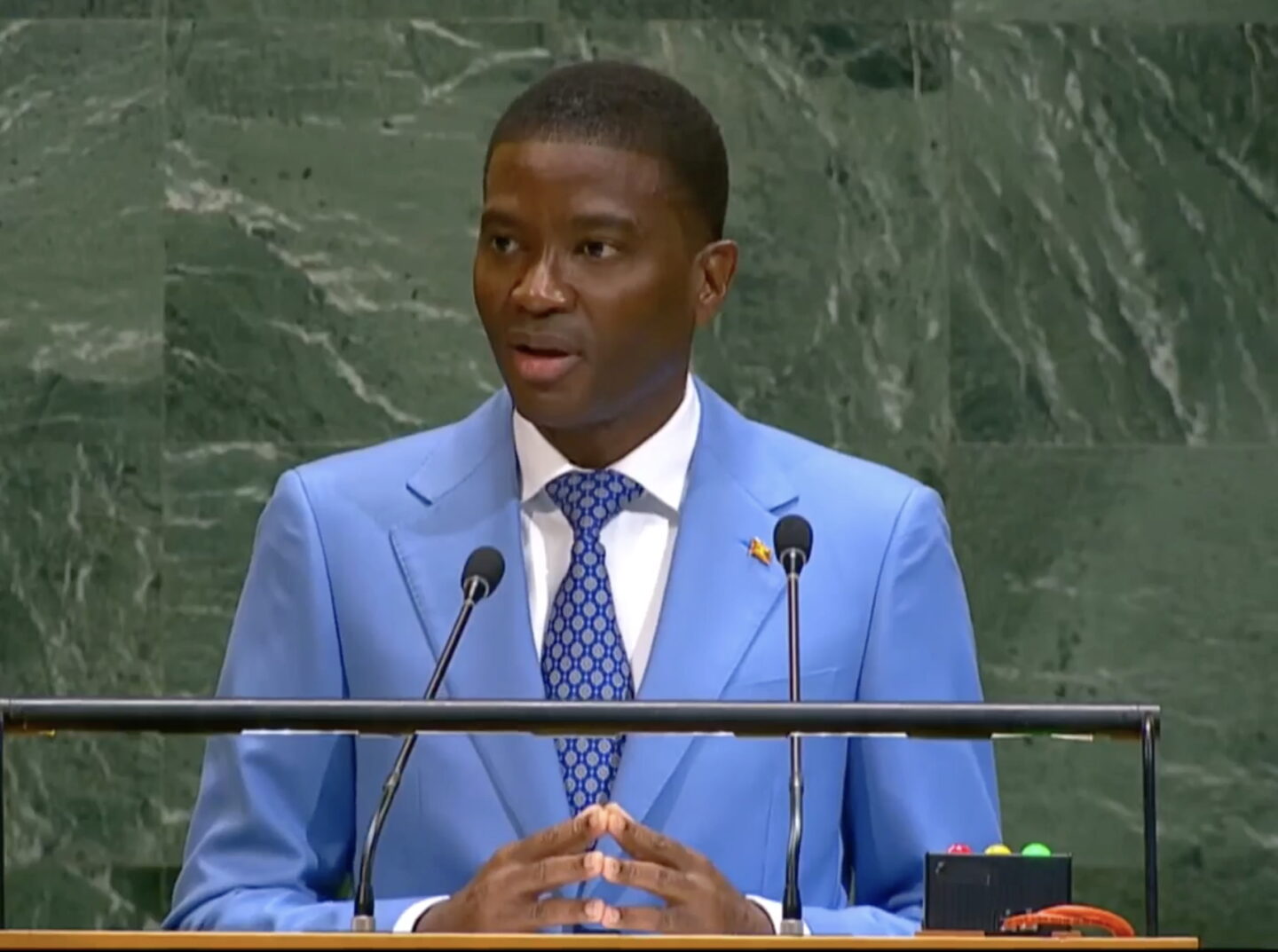


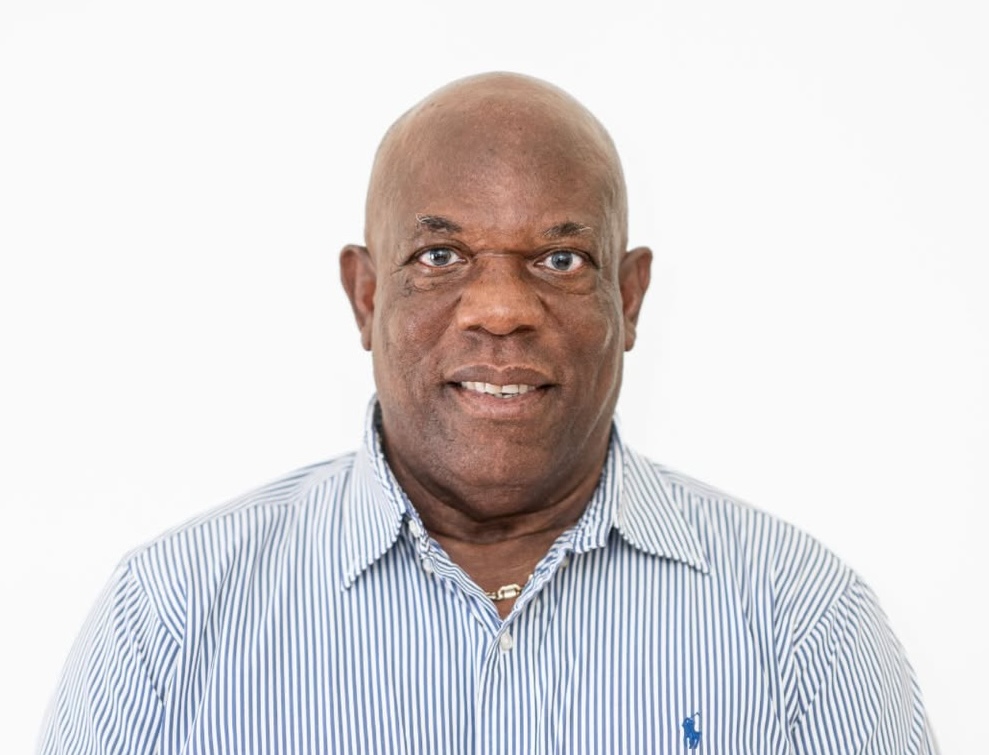




In a powerful and deeply personal address to the 80th Session of the United Nations General Assembly, Prime Minister Honourable Dickon Mitchell of Grenada called on world leaders to recognise education as the most transformative force for peace, resilience, and inclusive development.
Speaking under the assembly’s guiding theme of “Better Together,” Prime Minister Mitchell delivered a sterling message of urgency, emphasising the paradoxes of our time: unprecedented innovation coexisting with deepening inequality, and global progress shadowed by persistent global conflicts.
“Paradox defines our era,” he said. “Progress and peril, innovation and instability, hope and hardship coexisting side by side. And so, my remarks today are centred on the one force powerful enough to bind these contradictions together — education.”
Drawing from his own journey — from a village in St David, to becoming Prime Minister and to representing his country on the global stage, Prime Minister Mitchell underscored education as a lifeline that transforms lives and nations.
He outlined Grenada’s bold steps to transform our educational landscape, including:
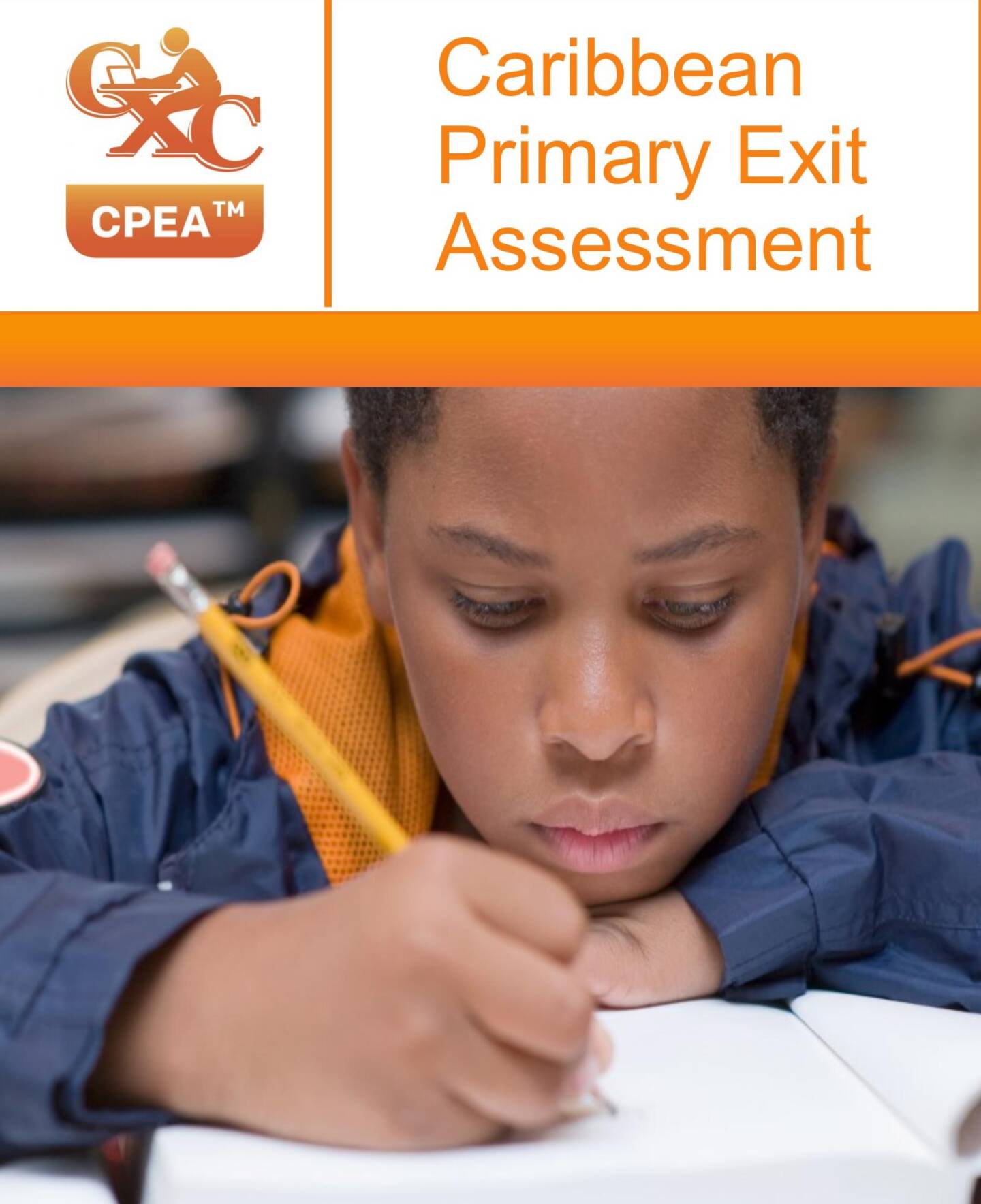
- Universal secondary education and legislation raising the mandatory school age to 18
- Curriculum modernisation with digital literacy, coding, and problem-solving at its core
- Student well-being initiatives, including expanded counselling, nutrition, and special education services
- Elimination of school fees and free tuition at technical and vocational institutions
Prime Minister also spotlighted regional efforts through Caricom and the Caribbean Future Skills Fund, a pioneering endowment model co-developed with Guyana to match international contributions with local investment.
Prime Minister Mitchell issued a global call to action, urging donor countries, multilateral institutions, and the private sector to move beyond charity and embrace collaborative investment in education. He emphasised that education must be protected even in times of war, referencing the devastating impact of conflict on learning in regions such as Palestine, Haiti, Sudan, and Ukraine.
“An attack on education is an attack on all. A commitment to education is a promise we make for all,” he declared.
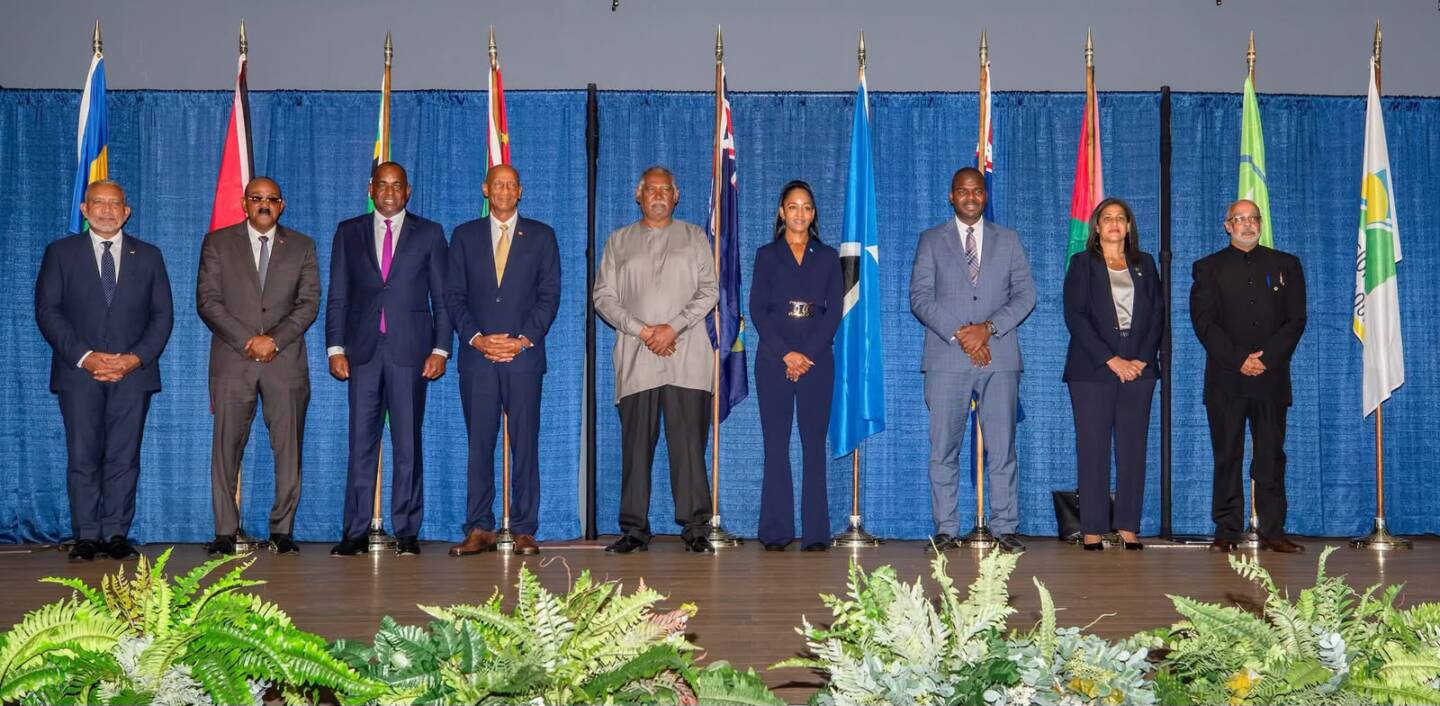
He joined his fellow Caribbean leaders by reaffirming that the Caribbean must remain a Zone of Peace. He also called for greater international cooperation, particularly in support of countries like Cuba that have long contributed to education and development across the region.
In his closing remarks, Prime Minister Mitchell envisioned a world where every child — regardless of geography or circumstance — has access to learning, opportunity, and hope.
“Let us imagine a world where a child at a standpipe in St David, Grenada, has the same access to knowledge as a child in New York or Tokyo. That vision is within our reach. But it will not come by chance. It will come by the choices we make here, together.”
Office of the Prime Minister