













We wish to commend the Government for its courageous bill, the Age of Civil Legal Responsibility (Amendment) Act, intended to allow 16-year-olds access to reproductive care without the burden of parental consent.
We also applaud the further provision that permits the minister to extend that facility to 12-year-olds.
This bill is simply a step into reality.
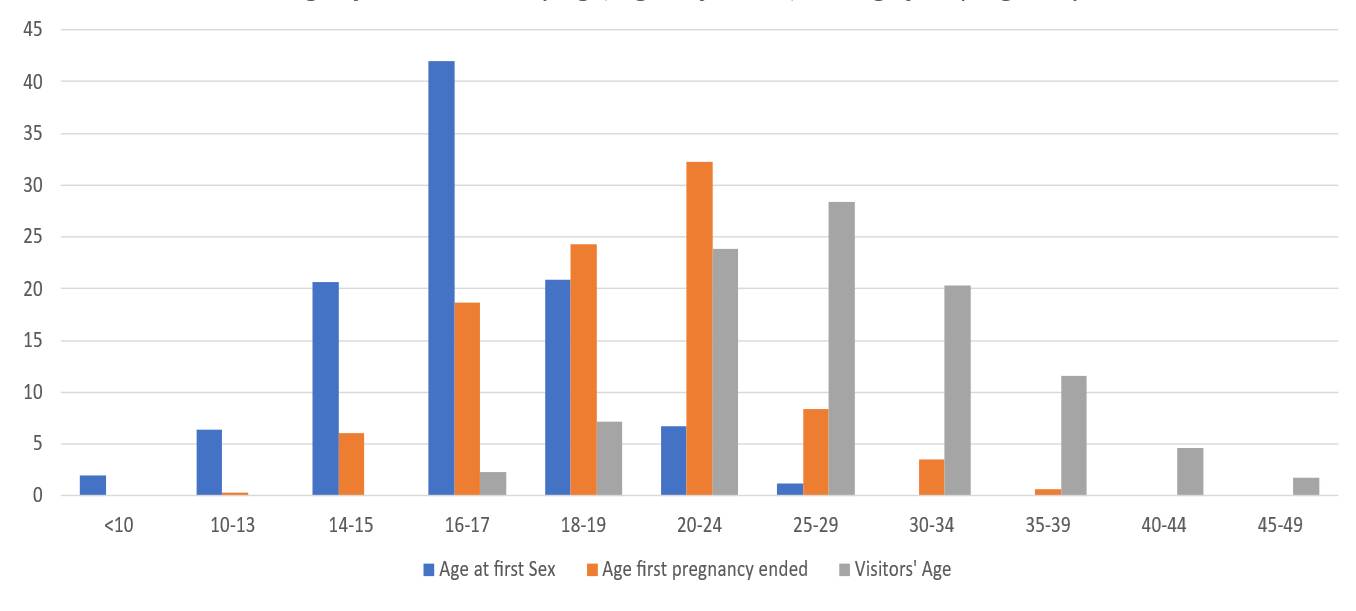
Our data from Antigua, Bahamas, Dominica, and Guyana show the social pattern that requires this law. In a few cases, girls’ sexual activity started as early as 10 years old, and by age 15, 29% of adolescents report sexual activity. Since the age of consent is 16, these were all instances of statutory rape.
By age 16–17, 40% of teenage girls had experienced sexual activity, and for nearly half of them, their first pregnancy had already ended. But at that age, 16–17, only 2% attended public health clinics.
Grenadian adolescents identified several barriers to accessing sexual and reproductive health services, as noted in Frame (2012) and reaffirmed in focus groups with adolescents from 2021–2024. These include: parental consent, lack of privacy and confidentiality among health professionals and teachers, a lack of adolescent-friendly health workers’ attitudes and behaviours, lack of availability of sexual and reproductive health services for adolescents, and the cost of services in the private sector and for diagnostic tests and treatments.
These studies across the Caribbean tell us that the barriers to adolescents seeking sexual and reproductive health services are real and can have dire consequences for them.
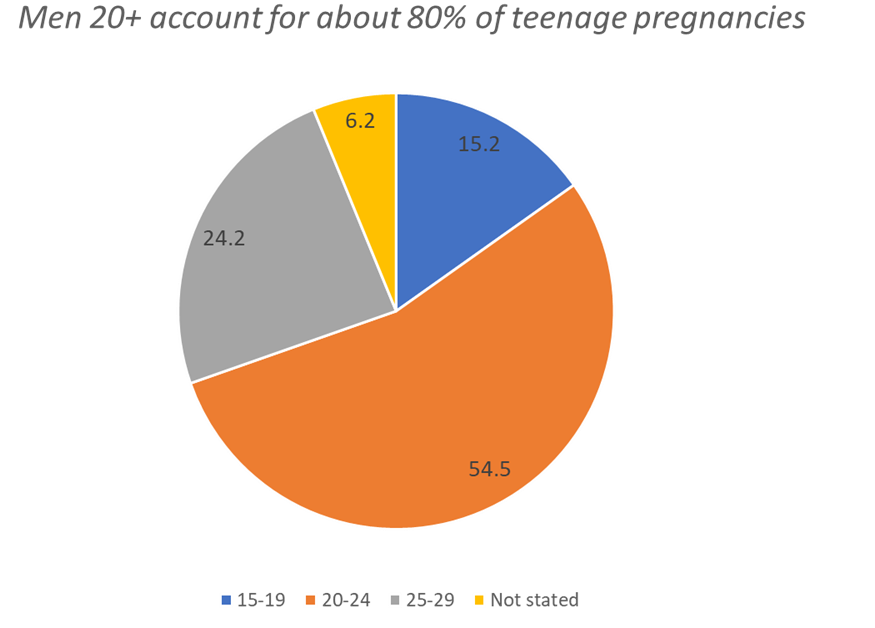
What is more, in Antigua, Dominica, and Guyana, we found that no fewer than 80% of these so-called teenage pregnancies resulted from relations with adult men 20 years and older. And 55% were by young men 20–24 years old. While we do not have data on Grenada, we believe the same pattern persists.
If parents would speak about sex to their children, if schools would provide sexuality education, if religious institutions would nurture healthy discussions about sex, the Government would not be alone in this commendable action.
If this bill becomes law, it is not a removal of parental authority. On the contrary, it is a provision in the interest of teenagers who do not enjoy the parental guidance they deserve.
This neglect is a societal failure — not just a parental one. Our institutions and communities have yet to foster an environment where sex and sexuality can be discussed openly and healthily. We all need to step up to the wicket.
Sincerely,
Tonia Frame, President, Grenada Planned Parenthood Association (GPPA)
Fred Nunes, Consultant, Advocates for Safe Parenthood: Improving Reproductive Equity (ASPIRE)
GPPA’s Youth Advocacy Movement (YAM)
 Loading...

 Reload document
  Open in new tab