





by Michael Derek Roberts
US Aid, particularly through USAID, has a complex and sometimes sinister history of involvement in foreign nations, often blurring the lines between humanitarian assistance and meddling political influence.
Since its inception in 1961, USAID has been a tool of American foreign policy, providing aid to countries aligned with US interests during the Cold War and beyond. This so-called “soft power” is evidenced in the fact that while USAID has undoubtedly contributed to global development and disaster relief, it has also been used to shape political outcomes in recipient countries.
In my humble opinion, the recent announcement by the Trump administration of USAID’s withdrawal from several Caribbean nations marks a significant turning point in the region’s journey towards true independence and self-determination. While some may view this development with anxiety and apprehension, there are compelling reasons why I believe that Caribbean countries should celebrate this transition.
For decades, USAID has been a prominent player in the Caribbean’s development landscape. Yet, today, in 2025, the region is still a service-industry-driven one with manufacturing and commodity production almost non-existent. That is because its presence has often come with strings attached, negatively influencing policy decisions and economic strategies in ways that may not always align with the region’s best interests. The end of USAID operations, therefore, presents an opportunity for Caribbean nations to chart their own course, free from external pressures and agendas.
Recall Grenada’s example. Before the fall of the revolution in November 1983, the United States provided zero aid to the country. Despite this, Grenada’s deep, profound and unquestioned socio-economic transformation during this period has never been replicated. According to an article in the Washington Post in November 1983, the Reagan Administration planned to spend US$30 million in Grenada — $15 million in economic assistance primarily for the new government on the island and $15 million to support the peacekeeping force made up of units from the 6 East Caribbean countries that took part in the invasion. That would be US$97 million today. What has Grenada to show for all that money? Nothing. The USAID and other American “consultants” gave aid on one hand, and took it back in the other, demanding and setting all kinds of conditions.
One of the primary benefits of USAID’s departure is the potential for more locally-driven development initiatives. Without the influence of foreign aid, Caribbean governments and civil society organisations can focus on solutions that are tailored to their specific needs and cultural contexts. This shift can lead to more sustainable and effective programmes that resonate with local communities.
Moreover, the withdrawal of USAID could stimulate greater regional cooperation. Caribbean nations may find themselves more inclined to pool resources, share expertise, and collaborate on joint projects. This increased intra-regional partnership can foster a stronger sense of Caribbean identity and solidarity, crucial for facing shared challenges such as climate change and economic volatility.
The end of USAID also opens doors for diversifying international partnerships. Caribbean countries can now explore relationships with a broader range of global actors, potentially leading to more balanced and advantageous agreements. This newfound flexibility in foreign relations can help the region assert its strategic importance on the world stage.
Additionally, the absence of USAID might encourage the growth of local philanthropy and corporate social responsibility. As foreign aid diminishes, there’s an opportunity for Caribbean businesses and high-net-worth individuals to step up and invest in their communities, fostering a culture of homegrown development.
While the transition may present short-term challenges, the long-term benefits of increased autonomy and self-reliance far outweigh the temporary discomfort. Caribbean nations now have the chance to demonstrate their resilience, creativity, and capacity for self-governance. As the region embraces this new chapter, it’s an opportunity to redefine success on its own terms and build a future that truly reflects the aspirations and potential of Caribbean people.
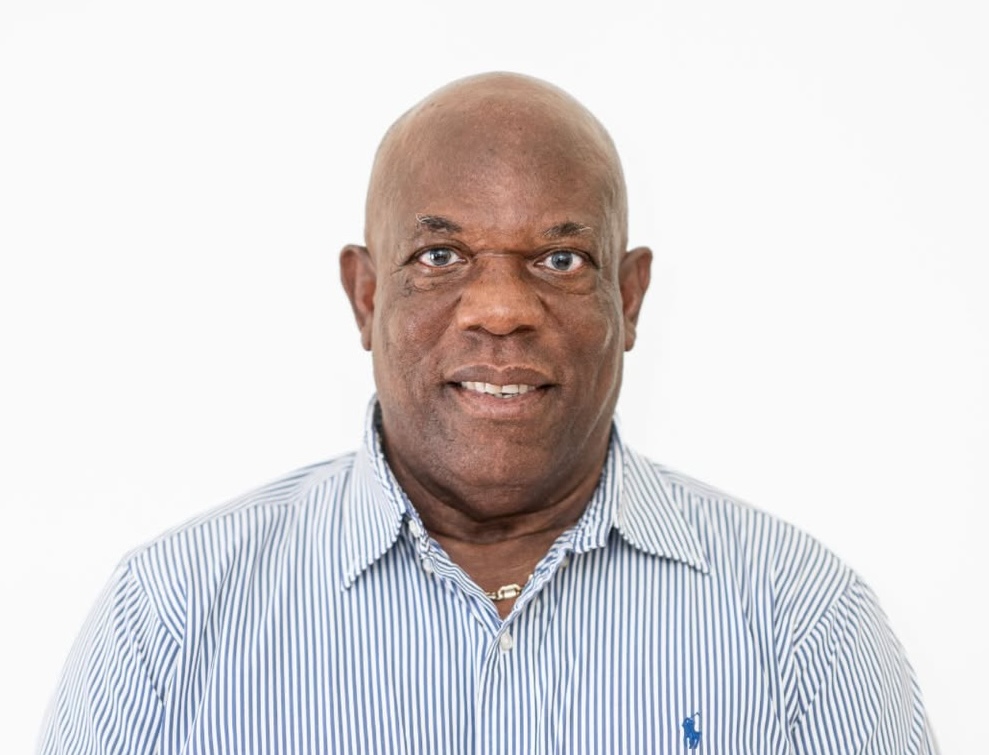
Michael Roberts is a New York City-based professional Grenadian journalist, Editor of Caribbean Times News, and political strategist for over 32 years.








Maybe look to Burkina Faso for inspiring leadership and the youth really stepping up
for their nation….
Throughout the developing world there is a sigh of relief that we may see the back of USAID. Under the guise of humanitarian aid this agency has been a disrupter of progress throughout africa, latin america and the caribbean. In hungary too, a senior government official observed that all usaid does is fund opposition political parties in eastern europe impeding the progress and economic development of those countries.
trump may be bad for america but we must look inward and see the withdrawal of usaid as a boost for our own self-reliance.
great reporting Mike.
Yes. On point Jerry!