



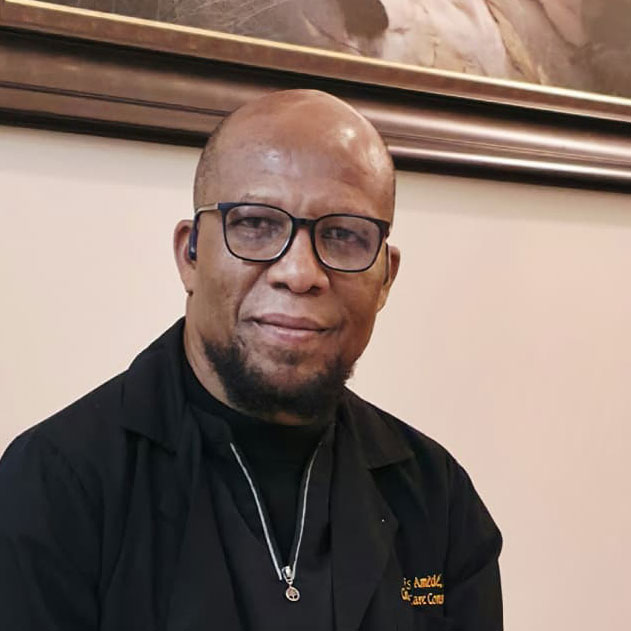



by Michael Derek Roberts
Grenada’s recent acceptance of EC$5.3 million in humanitarian aid from Saudi Arabia marks a significant milestone in this Caribbean nation’s evolving progressive and non-aligned foreign policy under Prime Minister Dickon Mitchell.
This generous donation, aimed at supporting Grenada’s recovery from Hurricane Beryl’s devastation in July 2024, underscores the growing ties between the 2 countries. It is also a south-south pragmatic foreign policy and a recognition by the National Democratic Congress (NDC)-led government that this Caricom nation that celebrates 51 years of independence from Great Britain that while it continues to foster good relations with the west, including the United States of America, it can no longer rely on these “traditional” partners for developmental help and assistance.
The Saudi aid package, consisting of essential supplies like chainsaws, generators, and emergency shelter materials, demonstrates Saudi Arabia’s commitment to expanding its diplomatic reach beyond its immediate neighbourhood. For Grenada, this assistance provides crucial support for disaster recovery and preparedness. However, this deepening relationship with Saudi Arabia is just one aspect of PM Mitchell’s broader strategy to pivot towards Africa, Asia, and China. This shift represents a departure from Grenada’s traditionally strong ties with the US and UK, raising both opportunities and concerns.
Pros of this eastward pivot include:
- Diversification of aid sources and economic partnerships
- Potential for increased investment in infrastructure and development projects
- Enhanced diplomatic leverage on the global stage
- A transfer of technology that can create “a socio-economic leap” forward that can radically transform this Caribbean tri-island nation
Cons include:
- Potential strain on relationships with traditional Western allies
- Concerns about debt sustainability, particularly regarding Chinese investments
- Possible criticism over human rights issues associated with some new partners
However, Prime Minister Mitchell’s approach aligns with a broader trend among Caribbean nations seeking to balance their relationships between established Western partners and emerging powers. The Prime Minister emphasised the importance of this diversification, stating, “We are truly appreciative that in a time when there is so much trouble in the world, particularly in your own region, you are still gracious and generous enough to look beyond your immediate neighbourhood.”
This diplomatic shift also comes at a time when China is expanding its influence in the Caribbean through initiatives like the Belt and Road Initiative. While this offers new opportunities for development, it also raises concerns about debt traps and geopolitical implications. As Grenada navigates this complex diplomatic landscape, the success of Dickon Mitchell’s strategy will depend on his ability to leverage these new relationships without alienating traditional allies or compromising the country’s long-term interests. So far, I give him an A+ in this regard.
Michael Roberts is a New York City-based professional Grenadian journalist, Editor of Caribbean Times News, and political strategist for over 32 years.







I agree. Caution to avoid financial entanglements that Grenada cannot repay!