





The Climate-Resilient Water Sector in Grenada (G-CREWS) project has achieved another major milestone for the water sector in Grenada.
At a sitting of the House of Representatives on Tuesday, 28 January 2025, Government and Opposition Parliamentarians approved the Water Resources Management and Regulation Bill (WRM), 2025. The bill seeks to provide sustainable water management, conservation, controlled allocation, development, use and regulation of water resources within the State of Grenada. Management of the water resources according to the bill will be under the guidance of a Water Resources Management Unit (WRMU).
The establishment of the unit is one of several activities under the G-CREWS project whose objective is building climate resilience within the water sector in Grenada. Additionally, the establishment of the Unit is in line with Grenada’s National Water Policy (2020), the National Climate Change Adaptation Plan (2017) and the Grenada Integrated Water Resources Management Plan (2019).
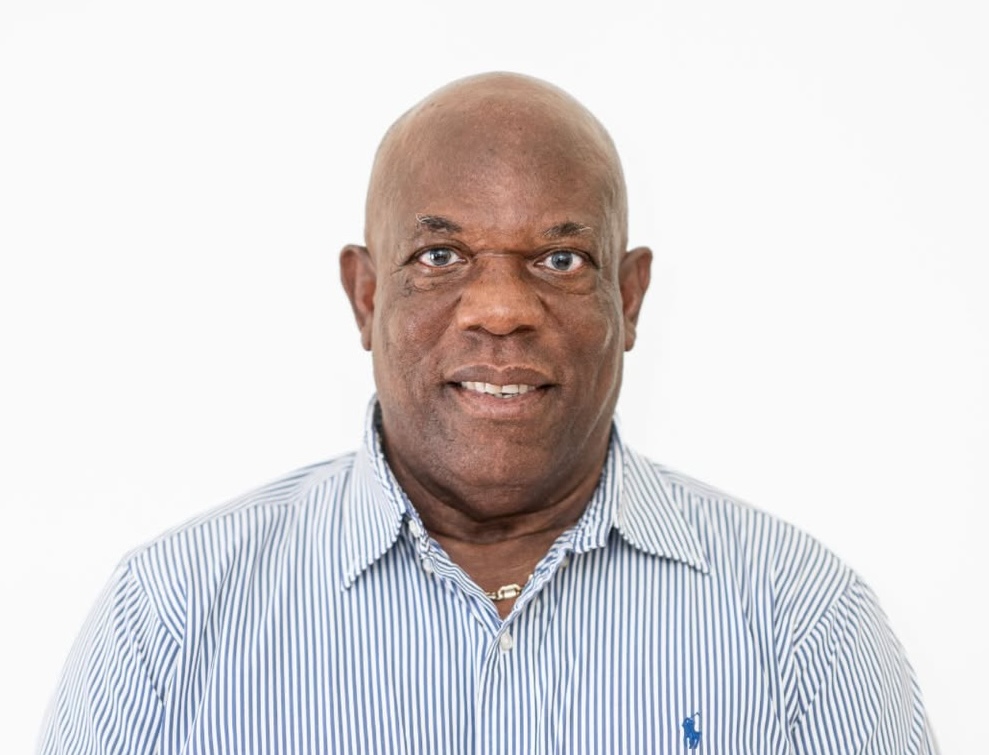
Project Manager Brian Bonaparte welcomed the passage of the bill in the House of Representatives citing the progress made towards the overall strengthening of the water governance structure on the island. He said, “This bill has been a long time coming, and we are very happy to see that it was finally brought to parliament and passed in the lower house.” Looking forward to the debate and passage in the Senate, Bonaparte also applauded the parliamentarians for their continued support in recognising the importance of having the WRMU established.
To make way for the passage of the WRM bill, several amendments were made to the National Water and Sewerage Authority Act Chapter 208. Acting General Manager of Nawasa Terrence Smith in commenting on the amendments made to the Nawasa Act stated that this will not infringe on the operations of the company as a water service provider. “When this new bill comes into effect as an act, it will take away only the management of the water resources from Nawasa, nothing else. That is part of the authority’s responsibility for water in the watersheds,” Smith noted.
Nawasa currently has a Water Resources Unit as part of its operations which according to Smith will further strengthen the unit. “The modern thinking in the water sector and water management is to separate water resources management from water services provision.”
Amendments were also made to the Public Utilities Regulatory Commission Act No. 20 of 2016 which will give way for the PURC to have oversight of the Water Resources Management Unit. “We are pleased to expand the PURC’s mandate with the introduction of the Water Resources Management Unit (WRMU). The PURC’s Amended Act marks a critical step in our role as an independent regulator of public utilities for the people of our tri-island state. The commission understands that effective oversight is essential to ensuring the sustainable use of water resources and safeguarding the delivery of high-quality water to all citizens. With this advancement we hope to foster stakeholder relationships and strengthen public confidence in the governance of public utilities by the PURC,” remarked Andrew Millet, Chief Executive Officer of PURC.
With the establishment of the WRMU comes the recruitment of qualified individuals with expertise in water resources management, environmental science, and related fields.
Simultaneously, in the coming months, extensive public education and additional consultations will occur ensuring all stakeholders understand their roles and responsibilities under the new legislation. This will include workshops, public meetings, and the development of educational materials.
To support the main functions of the WRMU, G-CREWS will build on the existing infrastructure regarding the collection, management and analysis of water resources and climate data. This will be done in cooperation with agencies that collect water resource data on the island including the Ministry of Agriculture and Lands, Nawasa and other relevant stakeholders. The WRMU will gather this data and feed it into a periodically updated climate change and hydrology model and reporting system for Grenada. The model will provide the WRMU with a critically important climate service product for future adaptation planning and addressing water-related information needs across public services, businesses and households. The use of remote sensing data could improve the model forecasting skill.
The G-CREWS project is jointly financed by the Green Climate Fund (GCF) and the German Federal Ministry for the Environment, Nature Conservation, Nuclear Safety and Consumer Protection (BMUV) under its International Climate Initiative (IKI) and the Government of Grenada.
The G-CREWS project eagerly awaits the discussion and passage of the Water Resource Management bill in the Senate and its subsequent enactment into law.
G-CREWS