





by Linda Straker
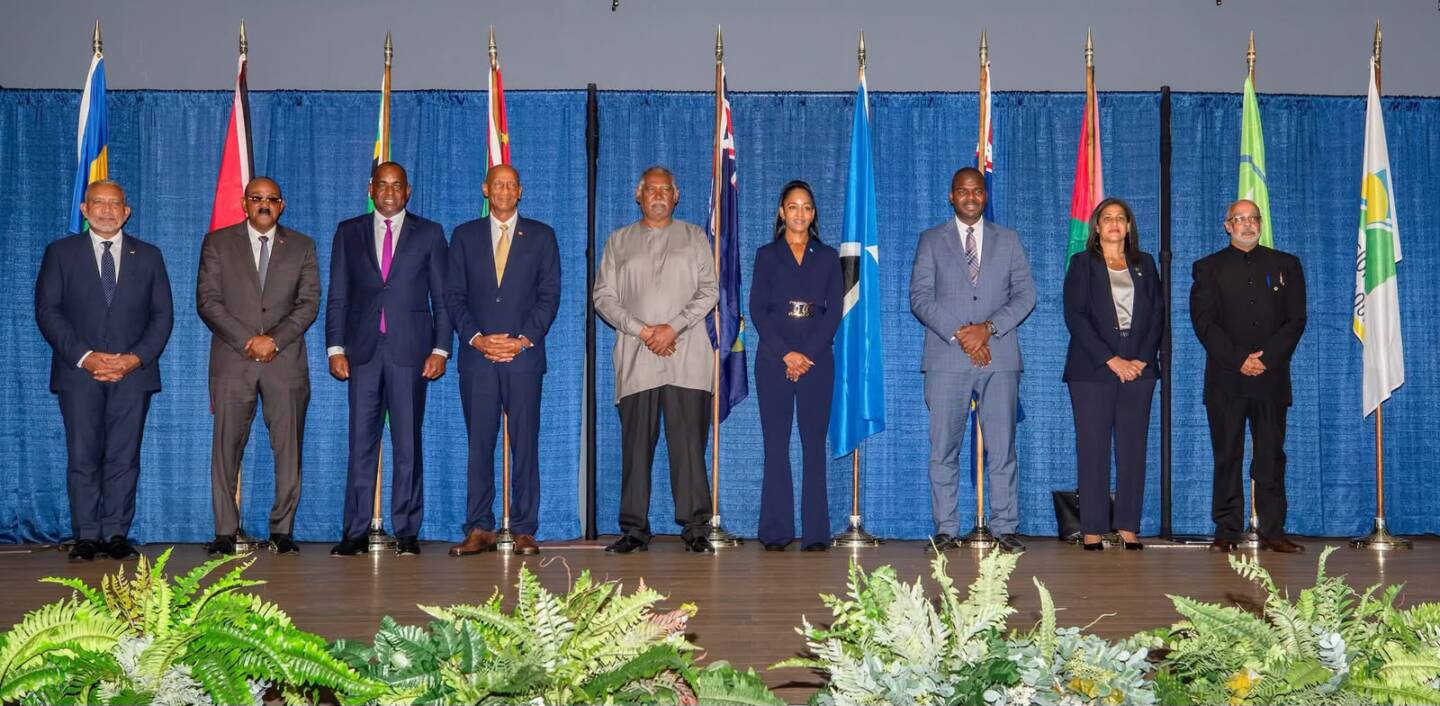
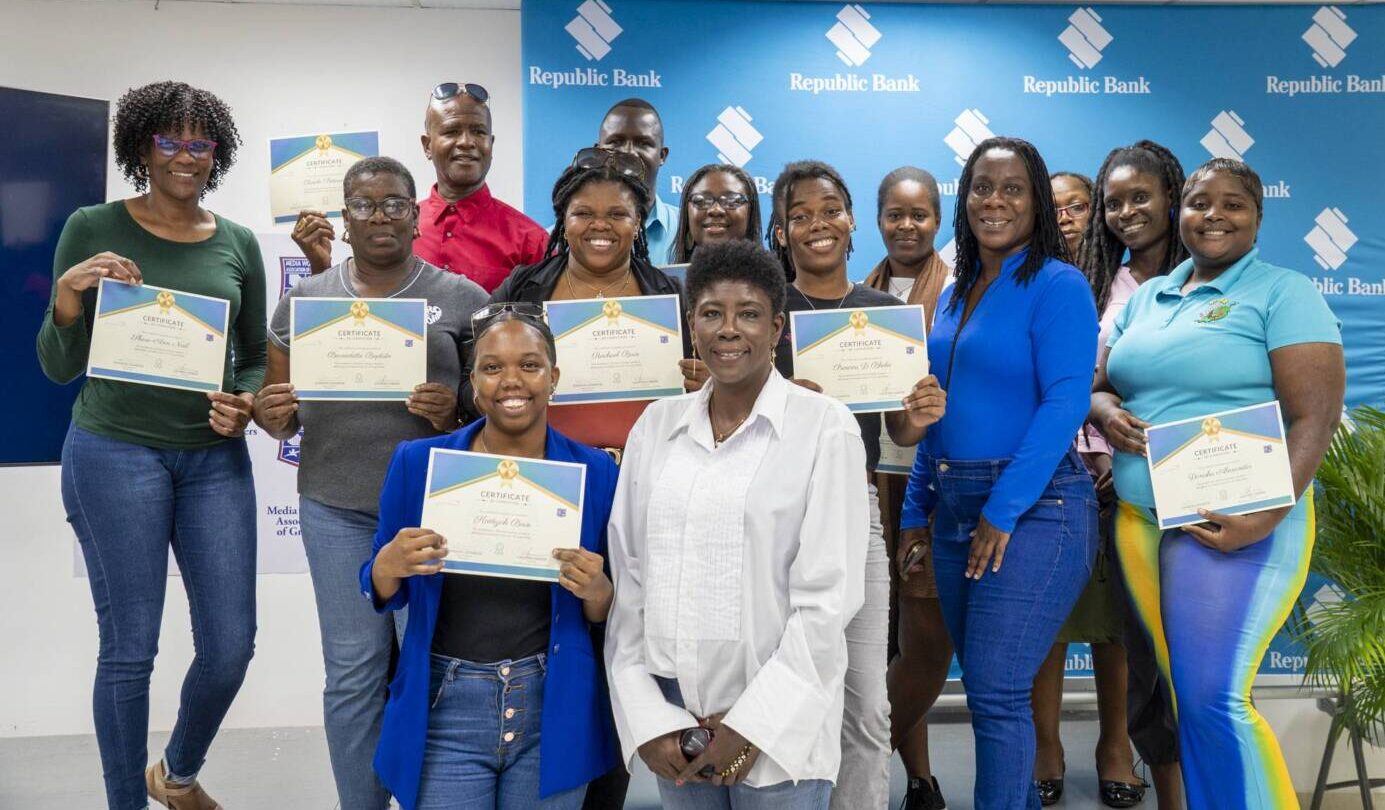
- Conference participants represent both the private and the public sectors.
- Coordinated regional approach needed for seasonal sargassum influx challenge
- 3-prong approach includes investment in research and development, an enabling environment, and regional cooperation
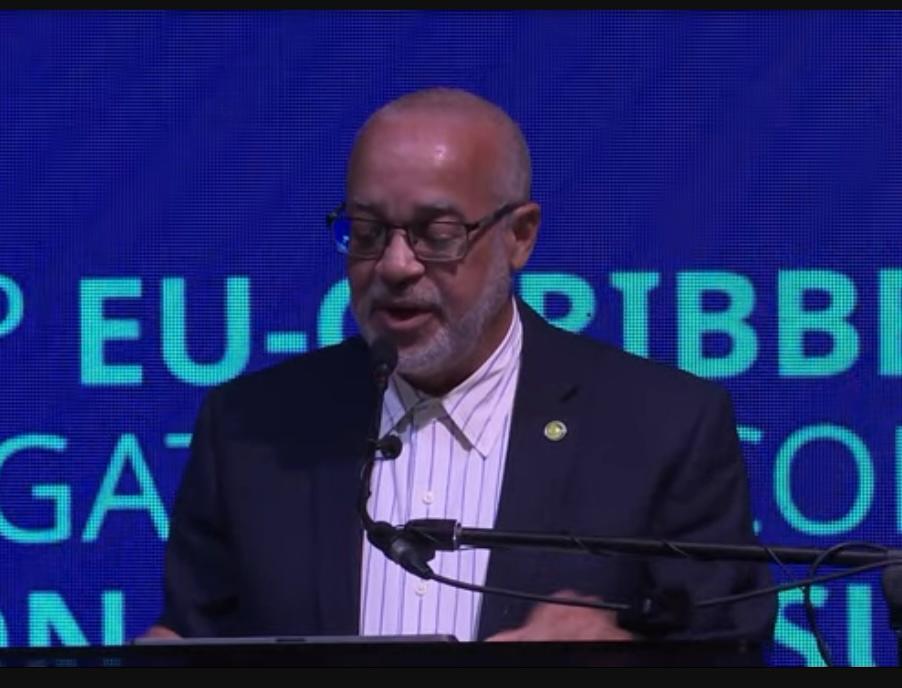
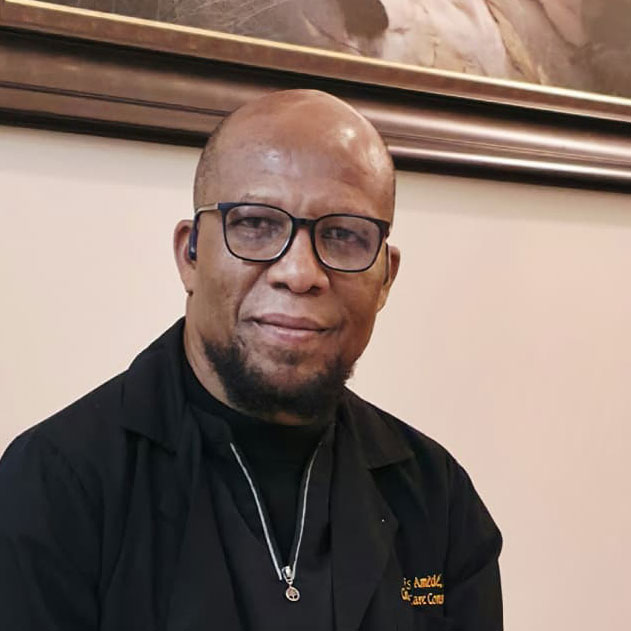
Dr Didacus Jules, Director General of the Organisation of Eastern Caribbean States (OECS) Commission believes that a coordinated regional approach for treating the influx of sargassum into the Caribbean seas and onto Caribbean beaches is the solution for this seasonal challenge that affects all sectors that directly and indirectly links to the marine space.
“Sargassum knows no boundaries and neither should our response. The influxes that we face require not only national efforts but a coordinated regional strategy. We need to work together on forecasting, collections, storage and processing. This is just not a matter of efficiency, it is also a matter of fairness,” he told participants attending the 2nd EU-Caribbean Global Gateway Conference on Sargassum which opened at the Radisson Conference Centre on 1 October.
The 2-day meeting with over 200 participants is featuring conversations aimed transforming Sargassum from a costly problem into a valuable resource.
“What if we can turn the tide on sargassum and recognise it as an asset, this is not a far off dream it is within our grasp,” said Jules as he informed the participants that some regional states, partners and innovators have already been exploring how to transform sargassum into products that can generate revenue and create jobs.
“These initiatives points to the way forward but we must accelerate and expand these efforts, our task here today is to ensure we move beyond isolated projects and develop a coordinated, scalable and sustainable resource response.” Dr Jules recommended a 3-prong approach that he believes can eliminate this periodic sargassum challenge.
“Our challenge is to transform the narrative of sargassum from one of burden to one of opportunity and this transformation requires a bold 3-prong approach. Firstly, we must invest in research and development. Secondly we need an enabling environment, and thirdly, we must foster regional cooperation.”
He suggested, “Some countries are more severely impacted than others and the burden of dealing with sargassum should not fall disproportionately on any one state, but by sharing resources, knowledge and technology, we can ensure that all countries in the Caribbean basin are equipped to handle the challenge.” He said, “As we develop solutions we must ensure that they are inclusive taking into account the needs and voices of those most affected. This is not just about creating high tech solutions in labs, it is about building resilience communities and economies from the ground up.”
Prime Minister Dickon Mitchell in his remarks said science must inform policy, and from the scientific consensus, sargassum will likely remain a significant presence in the coastal ecosystems due to environmental changes.
“The root causes are complex, including rising ocean temperatures, nutrient runoff from rivers such as the Amazon, Congo, and Orinoco, and changing ocean currents. While the influx of sargassum presents challenges for marine life and human health, there are also opportunities for sustainable management and innovative applications,” he said.
“We can transform this problem into a resource that contributes to carbon capture, resilience, and even the development of new industries.” Participants represent both the private and the public sectors.
The conference will feature several panel discussion on various topics that includes a discussion on the regional level of action to address the challenges posed by sargassum influxes, with an emphasis on the regulatory landscape and policy needs and economics and business models related to sargassum utilisation, focusing on successful case studies and emerging opportunities within this sector.