




by Linda Straker
- 2nd EU–Caribbean Global Gateway Conference on Sargassum concluded on 2 October
- Addressed environmental and socio-economic impact of sargassum across Caribbean Basin since 2011
- Grenada will host regional sargassum secretariat and information hub
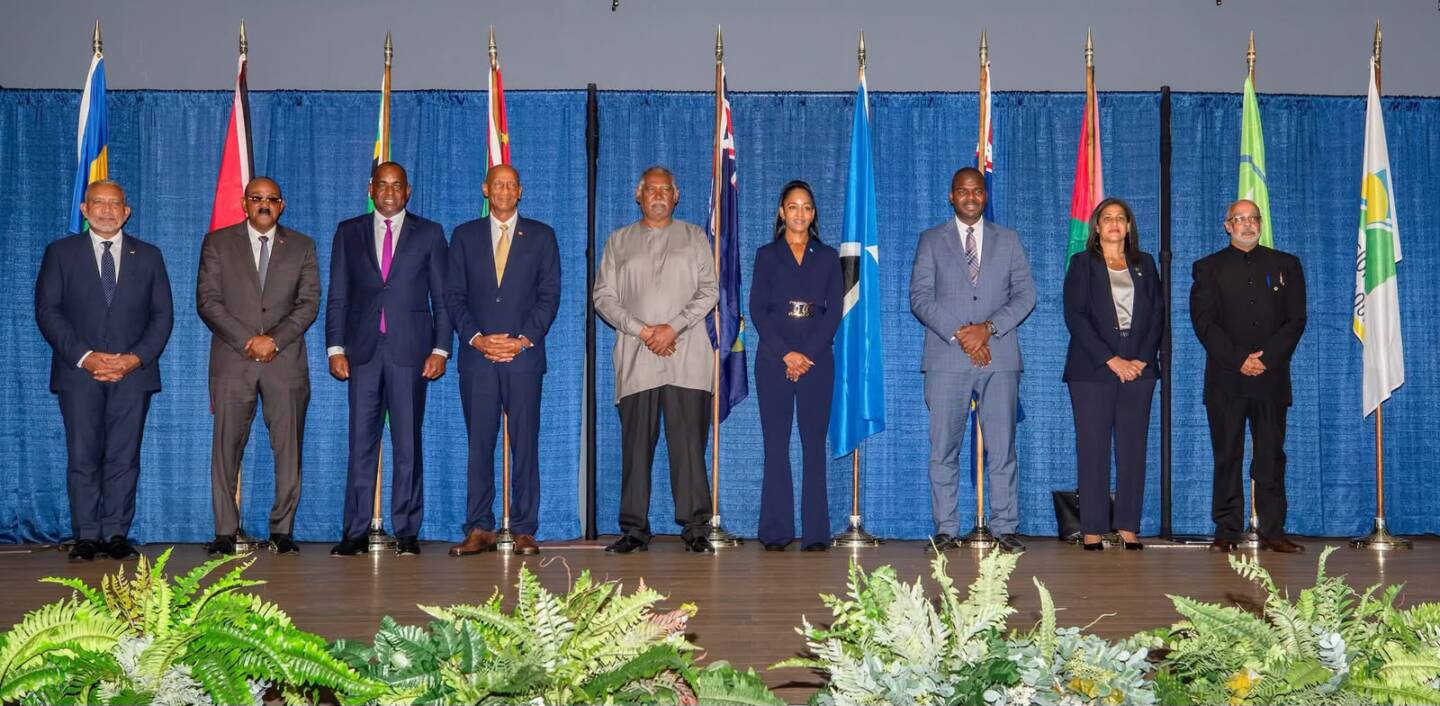
Prime Minister Dickon Mitchell has announced that Grenada will be the location for a regional sargassum secretariat and information hub as agreed to at the 2nd EU–Caribbean Global Gateway Conference on Sargassum, which concluded at the Radisson Conference Centre today, 2 October.
“Coming out of the conference there are a couple of things Grenada intends to champion and to lead regionally on this issue. Some of our proposals include the creation of a regional sargassum secretariat and the creation of a regional information sargassum hub,” Mitchell said during the closing news conference.
“We think this is critical to ensure that we have a central coordinating body for policy development, research, collaboration and sustainable management of sargassum efforts throughout the region,” he added. “This is important if we are going to share best practices to facilitate resource mobilisation for ensuring that we can have valorisation strategies that are successful, and Grenada has put its hands up, and we are happy to in fact become the secretariat and the information hub.”
The details for the secretariat have yet to be worked out, but it’s expected to become the focal point for sargassum-related activities for both the private and public sectors. The conference was an initiative to address the growing environmental and socio-economic impact of sargassum seaweed across the Caribbean Basin.
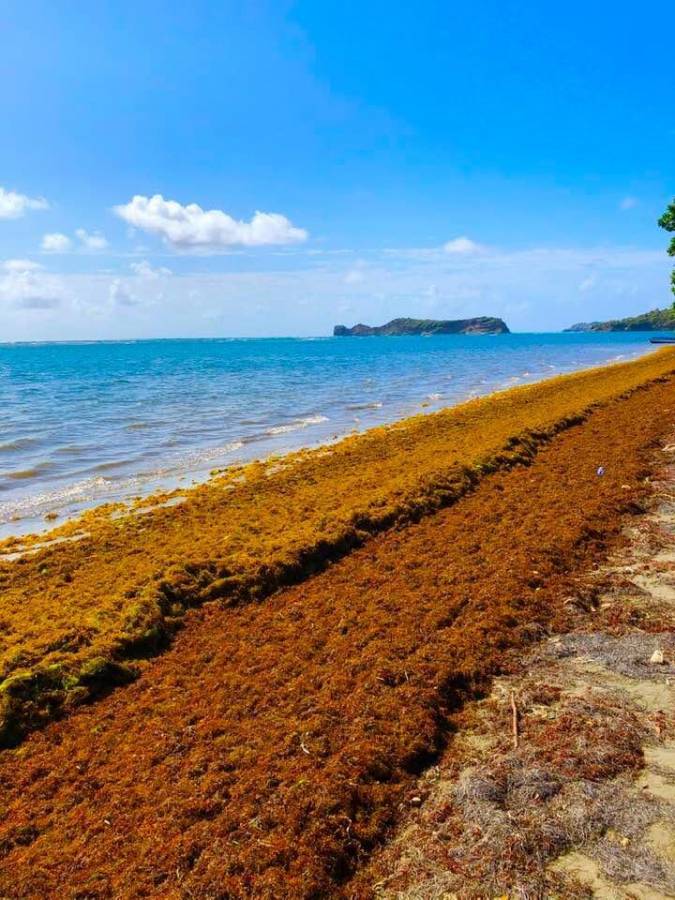
It sought to build regional capacity, attract investment, and promote innovation to transform this environmental challenge into sustainable economic opportunities. Since 2011, the Caribbean region has been grappling with unprecedented quantities of sargassum washing ashore, impacting beaches, disrupting marine ecosystems, and threatening vital economic sectors, particularly tourism and fisheries.
Mitchell, during the opening ceremony, said that sargassum influxes have far-reaching consequences for the region’s coastal economies and communities, and the conference will offer an exceptional platform for fostering dialogue, mobilizing action, and securing investment in sustainable solutions.
Dr Didacus Jules, Director General of the Organisation of Eastern Caribbean States (OECS) Commission, told hundreds of participants during the opening ceremony that a coordinated regional approach is needed to handle the influx of sargassum into the Caribbean seas and onto Caribbean beaches.
“Sargassum knows no boundaries, and neither should our response… the influxes that we face require not only national efforts but a coordinated regional strategy. We need to work together on forecasting, collections, storage and processing,” he said.