





by Linda Straker
- UN response plan aimed at raising US$5 million for Grenada
- Grenada has not formally requested triggering debt suspension clauses
- State projected to provide food in affected areas for next 6 months
Prime Minister Dickon Mitchell has disclosed that Grenada is yet to formally write to multilateral partners requesting that the debt suspension clause in several loan agreements as was obtained after Hurricane Ivan in 2004 be triggered.
“We have not yet made the formal request to some of our partners to trigger the debt suspension clauses we have in some of our financial instruments,” he told journalists during the questions and answer segment of a press conference held by the United Nations office in Barbados to launch a regional response plan aimed at raising EC$9 million to be shared between Grenada and St Vincent and the Grenadines.
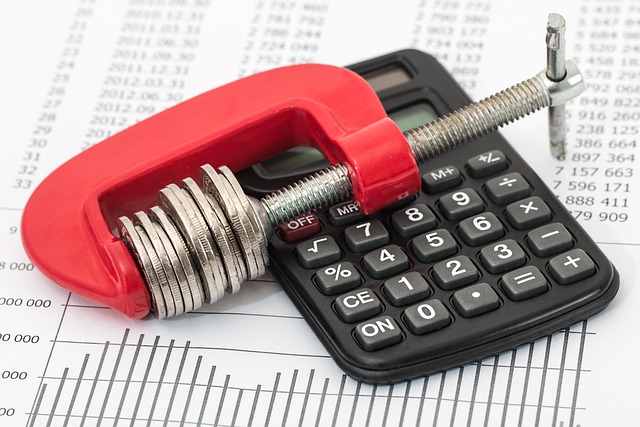
“You have to appreciate that the debt suspension doesn’t actually reduce the debt, it simply means that for a 24-month period you do not pay, and it gives you some liquidity in that instead of paying the debt you can use that liquidity to help with the relief and rebuilding efforts,” he said.
The Prime Minister said that suspending the payments will not reduce the existing debts but it will add or lengthen the repayment period. “It is simply added to the back end of the loan,” he said, admitting the suspension clause is a useful instrument in the loan agreements. “Here we are making an appeal for grant financing, but we are realistic and pragmatic because if we do not raise sufficient funds via this means, we can’t tell our people that we are paying debt and so we cannot provide with water, electricity or shelter, and so we will have to — if it comes to that — actually trigger the clause and take care of the means of our citizens.”
He added, “That is why or the reason why, we primarily, after Hurricane Ivan and throughout the several years after, have put this and insisted that it be placed in our debt instruments.”
On 1 July Hurricane Beryl, the first Category 5 hurricane of the 2024 hurricane season, battered Grenada with winds of more than 120 miles per hour. In a news conference on 2 July the Prime Minister said that the Minister for Finance had already written to some multilateral partners to indicate to them that this catastrophic event has happened and to trigger our debt suspension clause in some of the loan agreements.
The UN said that as a result of Hurricane Beryl 24,000 people in Grenada are in urgent need of humanitarian aid and the response plan is aimed at raising US$5 million for Grenada. The hardest hit areas in Grenada are the northern parish of St Patrick and the Grenadine islands of Carriacou and Petite Martinique.
Prime Minister Mitchell said that the projection from ministry officials is that the state will at least have to feed the affected areas for the next 6 months. “In the case of Carriacou and Petite Martinique, make no doubt about it. We are going to have to feed the people for the next 6 months. There is no economy…if you go on the island, there is absolutely no vegetation, everything has been destroyed, even the animals which are there are dying because there is no grass for them to graze, and there is no animal feed,” he said.