












by The Grenada Food and Nutrition Council
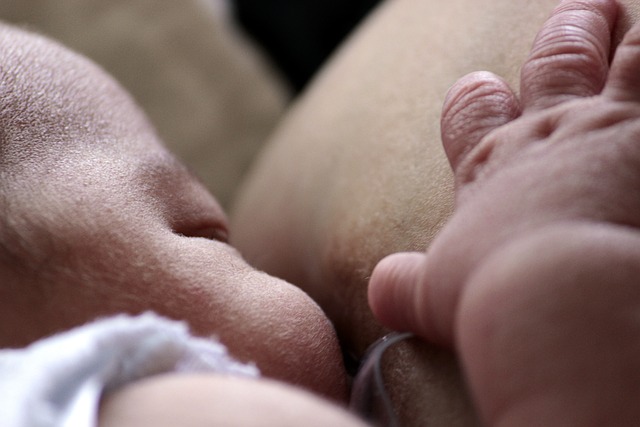
Breastmilk contains all the nutrients a baby needs to thrive during the first few months and years of its life.
The milk helps to support the baby’s brain growth and the development of the children. Many women face challenges with breastfeeding for many reasons, here are a few ways mothers can boost their nutritional intake to improve breastfeeding.
According to the US Centres for Disease Control (CDC), women who are breastfeeding need to add 330 to 400 kilocalories (kcal) per day to their daily caloric intake compared to other women who are not. Additionally, lactating mothers should consume foods that are rich in choline and iodine as these are essential nutrients needed for the body to function adequately during the first year after pregnancy, great sources of iodine and choline are dairy products, eggs, seafood, iodised table salt, protein food groups, beans, peas, and lentils. Other essential nutrients are iron, calcium, protein and vitamin D.
Although seafoods like fish are great sources of iodine, breastfeeding women should avoid eating more than 2 portions of oily fish per week as fish contains mercury which can negatively affect the child’s development. Foods which contain caffeine like coffee, chocolate and energy drinks should also not be consumed.
Breastfeeding mothers are advised to include a variety of foods in their daily diets, to include foods that include a variety of fruit and vegetables, unsweetened juice or smoothies, starchy foods like sweet potatoes, whole grain bread, whole grain pasta, brown rice and provision, whole grain breakfast cereals, beans and lentils, eggs and lean meat. Dairy or dairy alternatives like milk, cheese, yoghurt and nut milk, can also be incorporated.
Women who are breastfeeding should also increase their fluid intake or drink the recommended daily intake of water to stay hydrated, it is recommended that while breastfeeding, they have a glass of water, low fat milk or sugarfree drink beside them.
GFNC
Sources:
https://www.betterhealth.vic.gov.au/health/healthyliving/breastfeeding-and-your-diet