




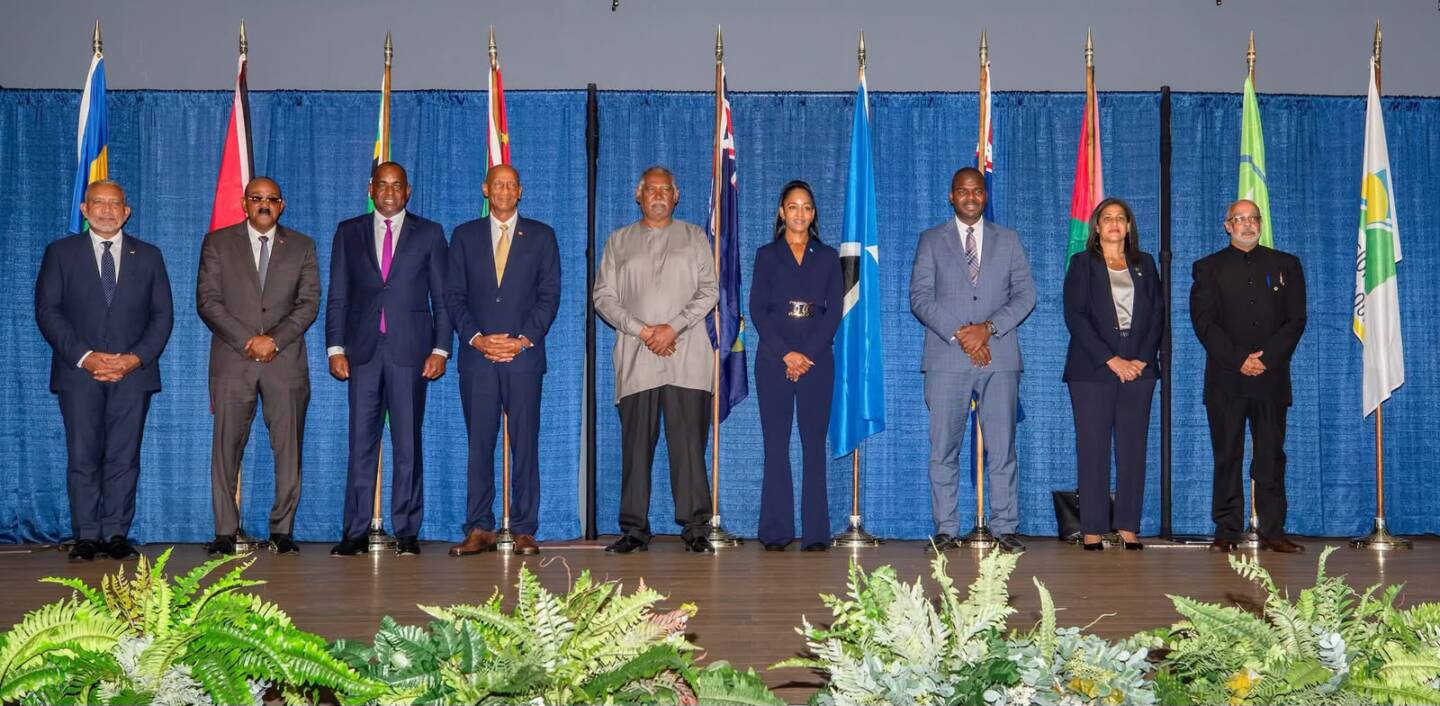






In a dynamic and inspiring presentation, Minister for Climate Resilience, the Environment, and Renewable Energy Hon. Kerryne James motivated attendees at the event “Nature-based Coastal Resilience for Caribbean SIDS,” held at the American University of Antigua on 28 May.
Convened by the IOC-UNESCO Sub-Commission for the Caribbean and Adjacent Regions (IOCARIBE) in collaboration with the Government of Grenada, this event highlighted innovative approaches to enhancing coastal resilience in Small Island Developing States (SIDS).
Key highlights from Minister James:
Minister James emphasised the importance of nature-based solutions (NBS) in addressing the unique challenges confronting Caribbean SIDS and the importance of leveraging the natural environment for sustainable development and resilience. Grenada’s successful mangrove restoration initiatives, which have proven critical in protecting coastlines from erosion and storm surges were also highlighted.
In addition, insights were shared into Grenada’s coral reef conservation projects, showcasing their role in supporting marine life, protecting shores, and providing economic benefits through tourism and fisheries.
Community involvement and empowerment were also high on the agenda, as the Hon. Minister spoke to the importance of involving local communities in NBS projects, and illustrated how community-led initiatives in Grenada have led to the effective implementation and maintenance of these projects, ensuring long-term sustainability and resilience.
Minister James pleaded for increased regional collaboration, noting that sharing knowledge and resources among Caribbean nations is essential for scaling up a successful NBS and advocating for the establishment of a regional platform to facilitate continuous dialogue and cooperation.
Innovative funding mechanisms:
On the subject of financing, Minister James highlighted the need for innovative funding mechanisms to support projects. She proposed the creation of a Caribbean Resilience Fund, which would pool resources from regional governments, international donors, and the private sector to finance critical resilience initiatives.
Minister James’ call to action:
In concluding, Minister James passionately urged stakeholders to prioritise nature-based solutions in their development agendas, calling for a unified regional effort to build resilient coastal communities capable of withstanding the impacts of climate change. Her appeal resonated with those in attendance, leaving them motivated and inspired to take immediate action.
Additional remarks from IOCARIBE:
The event also featured remarks from key representatives of IOCARIBE, who echoed Minister James’ sentiments and reinforced the importance of nature-based solutions. They commended Grenada’s leadership and commitment to coastal resilience, which has set a positive example for other Caribbean countries to follow.
Minister Kerryne James’ presentation at the “Nature-based Coastal Resilience for Caribbean SIDS” event was a resounding success, showcasing Grenada’s innovative approaches and galvanising support for nature-based solutions across the Caribbean. Her visionary leadership and passionate advocacy highlighted the path for building sustainable and resilient coastal communities in the face of climate change.
Ministry of Climate Resilience, the Environment and Renewable Energy








Congratulations Minister James. Well said. Now why don’t you tell the Grenada Planning and Development Authority which is approving environmentally destructive planning applications like there’s no tomorrow! A recent example of the Authority’s eagerness to lay waste to our natural environment and flout the views of the community is the granting of planning consent for an industrial boatyard in Mt Hartman Bay by local developer Peter (Champy) Evans. The damage caused will include:
• Permanent destruction of old and established mangroves protecting the coast, filtering run-off and providing a nursery for young fish that will later, as adults, be caught by local fishermen
• Contamination of the bay with aquatic poisons from removal of antifouling paint from boat hulls – poisons that enter the food chain including humans
• Incompatibility with adjoining residential, recreational and tourism uses
• Piling, dredging and disturbance of the seabed for concrete ramps wrecking the habitat of marine species including lobster and conch and affecting the reef
• Removal of natural habitat and violation of international agreements to protect the environment and facilitate public consultation and participation in decisions.
The community views and supporting data were sent to the Authority and can be seen here: https://coralcovegrenada.org/2024/01/11/mt-hartman-boatyard/
These were ignored by the Authority as were the views of government experts in the Ministry of Agriculture and in the Ministry of Climate Resilience and Environment who also pointed out the chemical contamination, mangrove loss, sea bed damage and other adverse consequences of the development. This is so obviously the wrong place for a boatyard. Why then did the Authority approve the application?
Perhaps you could work with the Prime Minister to replace the Members of this arrogant and dangerous Authority with individuals with knowledge and concern for our natural assets and a willingness to listen to the community.