








• Latest
This Day in History

This Day in History: Fédon’s Rebellion began 3 March 1795

2 years ago
Traffic notice: Settlement Road, Frequente

Temporary road closure: Ravine Public Road, St George

3 hours ago

REOI: OECS Data for Decision Making Project – Consulting Services, Individual Consultant

4 hours ago
People empowerment through construction 

People empowerment through construction 

4 hours ago
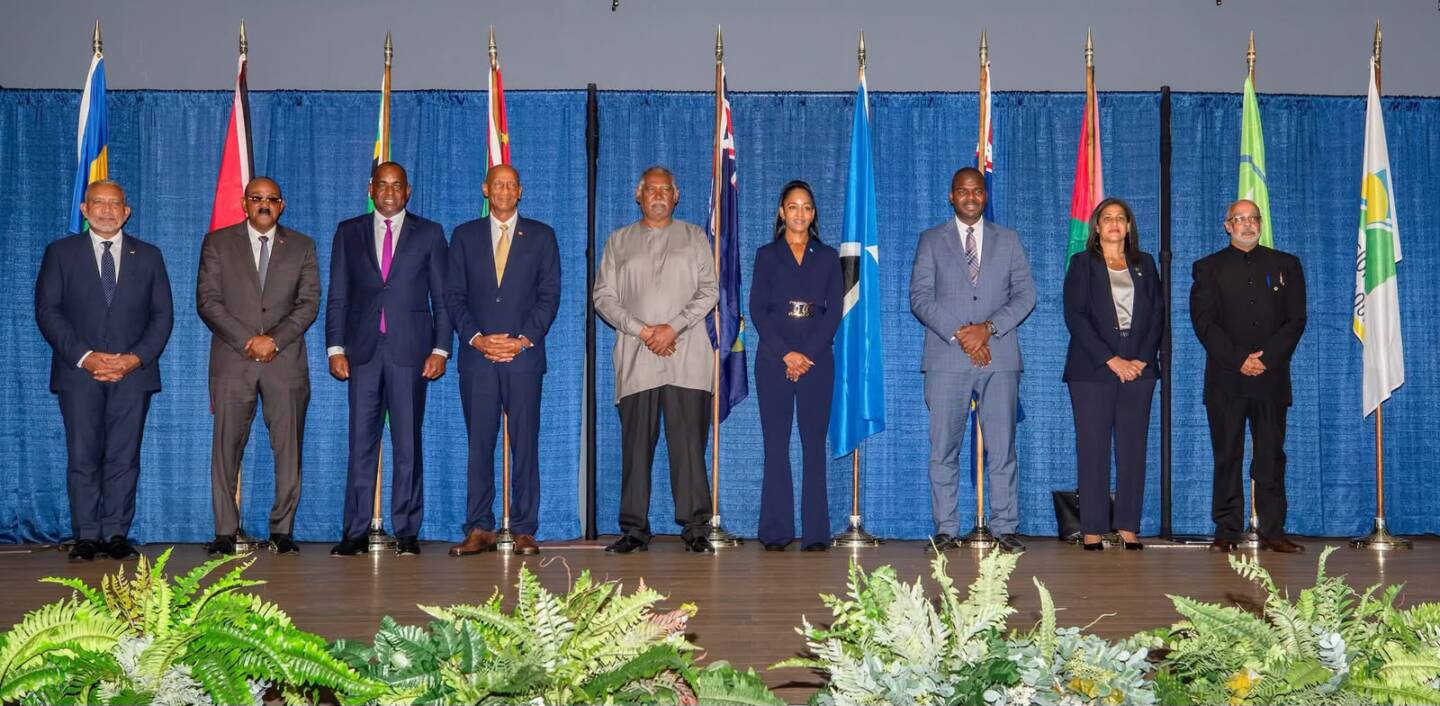
OECS Heads of Government focus on trade, connectivity and economic resilience

OECS Heads of Government focus on trade, connectivity and economic resilience

4 hours ago
Vacancy: Chief Executive Officer

GTA vacancy: Human Resource Manager

10 hours ago
Grenada’s alcohol use reality

Grenada’s alcohol use reality

11 hours ago
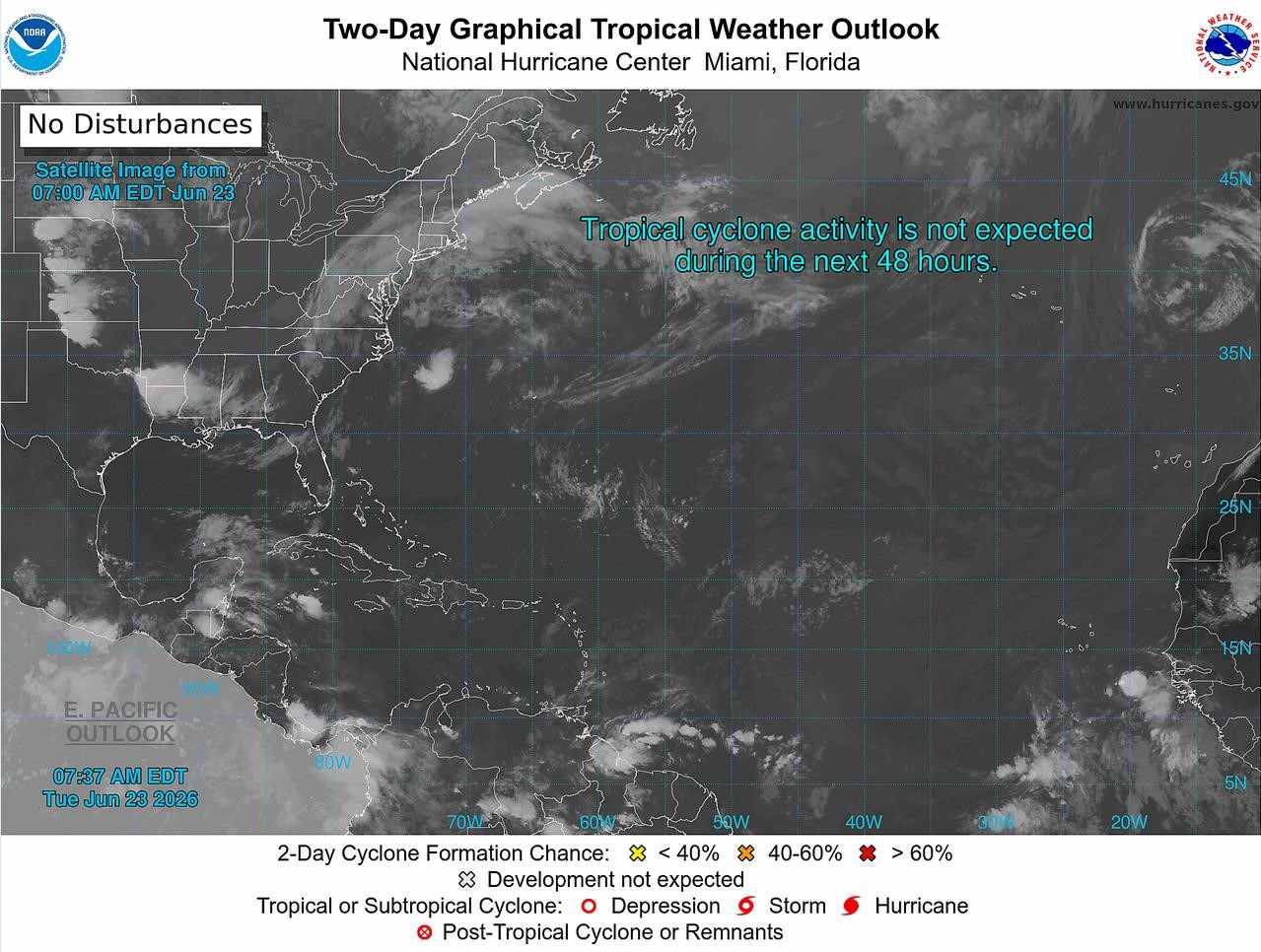
Tropical Weather Outlook:  Tuesday, 23 June 2026 (8 am)

Tropical Weather Outlook: Tuesday, 23 June 2026 (8 am)

11 hours ago
This Day in History

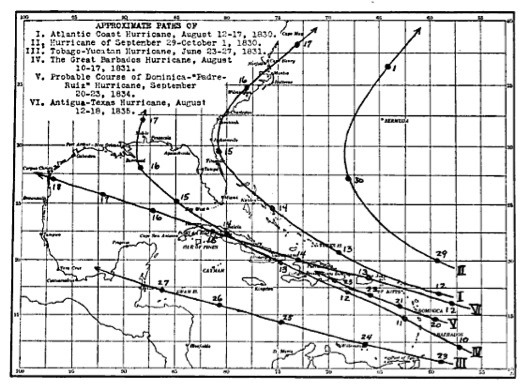
This Day in History: 23 June 1831

13 hours ago

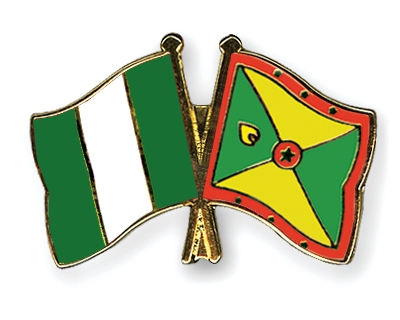
Grenada’s new Atlantic bridge to Nigeria could be a diplomatic turning point

1 day ago
Republic Bank commends MWAG on successful media development programme

Republic Bank commends MWAG on successful media development programme

1 day ago
Prime Minister Mitchell to attend oil and gas summit in Suriname

Prime Minister Mitchell to attend oil and gas summit in Suriname

1 day ago
Enough is enough: The blood of our daughters cries out

Why time is life’s most precious commodity Part 1

1 day ago
NOW Grenada
  • Front Page
  • Categories
    • General News
      • All
      • Agriculture & Fisheries
      • Arts & Culture
      • Business
      • Education
      • Environment
      • Health
      • History
      • Lifestyle
      • Law
      • Politics
      • Technology
      • Travel & Tourism
      • Weather
      • Youth
    • Sports
      • All
      • Athletics
      • Cricket
      • Football
      • Watersports
    • Community
      • All
      • Tribute
    • Crime
    • Features
      • All
      • Today in History
    • Opinion/Commentary
    • Press Releases
      • All
      • Advertisements
      • Notices
  • Video
  • Notices & Vacancies
  • Advertise
  • Contact Us
No Result
View All Result
  • Front Page
  • Categories
    • General News
      • All
      • Agriculture & Fisheries
      • Arts & Culture
      • Business
      • Education
      • Environment
      • Health
      • History
      • Lifestyle
      • Law
      • Politics
      • Technology
      • Travel & Tourism
      • Weather
      • Youth
    • Sports
      • All
      • Athletics
      • Cricket
      • Football
      • Watersports
    • Community
      • All
      • Tribute
    • Crime
    • Features
      • All
      • Today in History
    • Opinion/Commentary
    • Press Releases
      • All
      • Advertisements
      • Notices
  • Video
  • Notices & Vacancies
  • Advertise
  • Contact Us
No Result
View All Result
NOW Grenada
No Result
View All Result

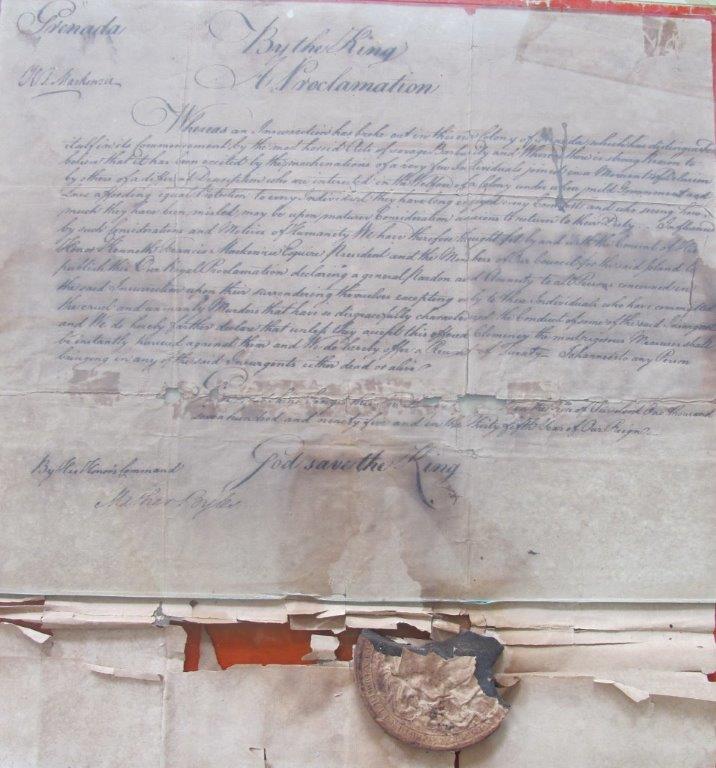
This Day in History: Fédon’s Rebellion began 3 March 1795

This story was posted 2 years ago
3 March 2024
in History, Today in History
4 min. read
Proclamation issued on 4 March 1795 by the acting Lieutenant-Governor K. F. McKenzie on behalf of the British colonial government condemning the revolt. Courtesy of the Grenada National Museum.
0
VIEWS
Share

by John Angus Martin, A-Z of Grenada Heritage

On this day, 3 March 1795, French Grenadians — Free Coloureds, Whites and the enslaved — rebelled against the British colonial government and their compatriots in a bloody revolt that would engulf the entire island for over a year!

The 1790s in the Caribbean in general, and Grenada in particular, were reverberating from the French Revolution and the cry of “Liberté, égalité, fraternité!” The French population in Grenada, whites and especially free coloureds, had many grievances against the British, having suffered religious, social and political persecution for the past dozen years. Even though the situation in Grenada was tense and some of the British residents had noticed unusual activities among the French inhabitants, especially the free coloureds, the attack on the night of 2/3 March 1795 by Julien Fédon and his followers surprised many. Fédon and his forces, with the rebel cry of “Liberté, égalité ou la mort!,” surrounded the town of Grenville (La Baye), capturing and putting to death eleven of the British inhabitants. Simultaneously in Gouyave, another group of insurgents captured over forty British residents, including Dr. John Hay and Rev. Francis McMahon, who were taken to Belvidere where they were held captive. Lt. Gov. Home and prominent planter Alexander Campbell were captured at Gouyave later that day.

Beginning on 3 March the ranks of the rebels began to increase as French planters, free coloureds/blacks, and slaves flocked to the military camp at Belvidere, probably due to a combination of fear of the rebels and a desire to be free of the British. The president of the General Council called on the insurrectionists to surrender, promising a pardon and amnesty to all except those who participated in the massacre at Grenville. The Grenada government requested assistance to put down the revolt, but help was slow in coming; revolts, influenced by the French, erupted in a number of British-occupied territories. The Militia and fewer than 200 regular troops prepared to defend St. George’s if attacked.

On 8 April the long-awaited assault on the rebel camps commenced, but proved unsuccessful. In what appeared to the British as utter barbarity, Fédon ordered the execution of 47 of his hostages, carrying out his threat to kill his prisoners if attacked. The government changed strategy by establishing coastal posts to intercept incoming supplies for the insurgents and arming slaves under the Loyal Black Rangers. For the remainder of the year there were a number of sporadic attacks by both sides as the insurrection dragged on.

By early 1796 the rebels controlled most of the island, but in March the British, with reinforcements, captured the strategic sites of Post Royal and Pilot Hill, cutting off the rebels’ primary external supplies of weapons and food. On 19 June General Abercromby arrived with reinforcements, and rebel positions were attacked and successfully captured. The insurgents, suffering heavy losses, fled to their mountain stronghold at Fédon’s Camp and awaited the final assault and defeat. It took the British 16 regular military units, inclusive of hired troops, 15 months, and the loss of hundreds of soldiers from Yellow Fever and hostilities before the rebellion of its New Subjects and their slaves was quelled. Some fifty rebels were captured, tried and found guilty of high treason, and 14 ‘noted brigands’ were publicly executed ‘on a large gibbet in the Market place in St. George’s’. In a final act of vengeance the heads of the rebels were reportedly severed from their bodies and publicly displayed. Rebels not jailed or executed, together with their families, were deported to Honduras.

Fédon’s Rebellion ruined the island’s economy, its agriculture devastated by fires and plunder. Some 7,000 slaves lost their lives and hundreds of British soldiers were killed or died from diseases. Financial losses amounted to a low estimate of £2.5m and a high of £4.5m from the death of slaves, destruction of crops and estate machinery. Fédon’s Rebellion, quite violently, brought about ‘an end of French power and influence in Grenada’, paving the way for the emergence of ‘a new Grenada with a distinct British colonial stamp’. Fédon’s Rebellion is regarded by many as a slave revolt despite the fact that its initial objectives had nothing to do with freeing the slaves (though it temporarily achieved that), but rather the replacement of the British government with the French and increased civil rights for free coloureds. Also known as the Brigands’ War.

Link to Dr Curtis Jacob’s paper on “The Fédon’s of Grenada, 1763-1814”

NOW Grenada is not responsible for the opinions, statements or media content presented by contributors. In case of abuse, click here to report.
Tags: angus martinbritishcaribbeancolonialcurtis jacobfedonfrenchmuseumproclamationrebellionslaverythis day in historywar

Comments 1

  1. Grenada Loyal says:
    2 years ago

    I would certainly encourage editing the end of this article which states that the rebellion temporarily achieved emancipation of slaves; it did no such thing, and saying it did is fabrication of history. Fédon as a matter of fact refused multiple times to issue a proclamation of emancipation. Throughout the entire rebellion, Fédon and his commanders (most of whom were themselves slave owners) continued to force their own slaves to work their plantations. The only slaves they “freed” were slaves on British plantations, and it wasn’t so much freedom as being given the choice of fighting for Fédon, or being killed by his men.

© NOW Grenada Ltd. All Rights Reserved. Terms of Use | Privacy Policy

No Result
View All Result
  • Front Page
  • Categories
    • General News
      • All
      • Agriculture & Fisheries
      • Arts & Culture
      • Business
      • Education
      • Environment
      • Health
      • History
      • Lifestyle
      • Law
      • Politics
      • Technology
      • Travel & Tourism
      • Weather
      • Youth
    • Sports
      • All
      • Athletics
      • Cricket
      • Football
      • Watersports
    • Community
      • All
      • Tribute
    • Crime
    • Features
      • All
      • Today in History
    • Opinion/Commentary
    • Press Releases
      • All
      • Advertisements
      • Notices
  • Video
  • Notices & Vacancies
  • Advertise
  • Contact Us

Copyright NOW Grenada

We are using cookies to give you the best experience on our website.

You can find out more about which cookies we are using or switch them off in . Visit our Privacy Policy | Terms of Use.

No Result
View All Result
  • Front Page
  • Categories
    • General News
      • All
      • Agriculture & Fisheries
      • Arts & Culture
      • Business
      • Education
      • Environment
      • Health
      • History
      • Lifestyle
      • Law
      • Politics
      • Technology
      • Travel & Tourism
      • Weather
      • Youth
    • Sports
      • All
      • Athletics
      • Cricket
      • Football
      • Watersports
    • Community
      • All
      • Tribute
    • Crime
    • Features
      • All
      • Today in History
    • Opinion/Commentary
    • Press Releases
      • All
      • Advertisements
      • Notices
  • Video
  • Notices & Vacancies
  • Advertise
  • Contact Us

Copyright NOW Grenada

Powered by  GDPR Cookie Compliance
Privacy Overview

This website uses cookies so that we can provide you with the best user experience possible. Cookie information is stored in your browser and performs functions such as recognising you when you return to our website and helping our team to understand which sections of the website you find most interesting and useful. Visit our Privacy Policy | Terms of Use.

Strictly Necessary Cookies

Strictly Necessary Cookie should be enabled at all times so that we can save your preferences for cookie settings.