

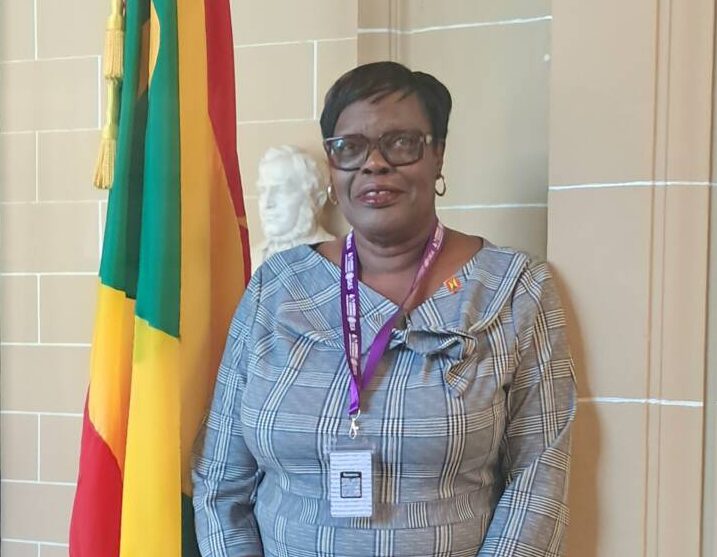




Dr Roxanne Graham-Victor, Regional Coordinator of the Global Water Partnership-Caribbean (GWP-C), recently participated in 2 critical regional meetings focused on strengthening climate services, early warning systems, and climate resilience across the Caribbean.
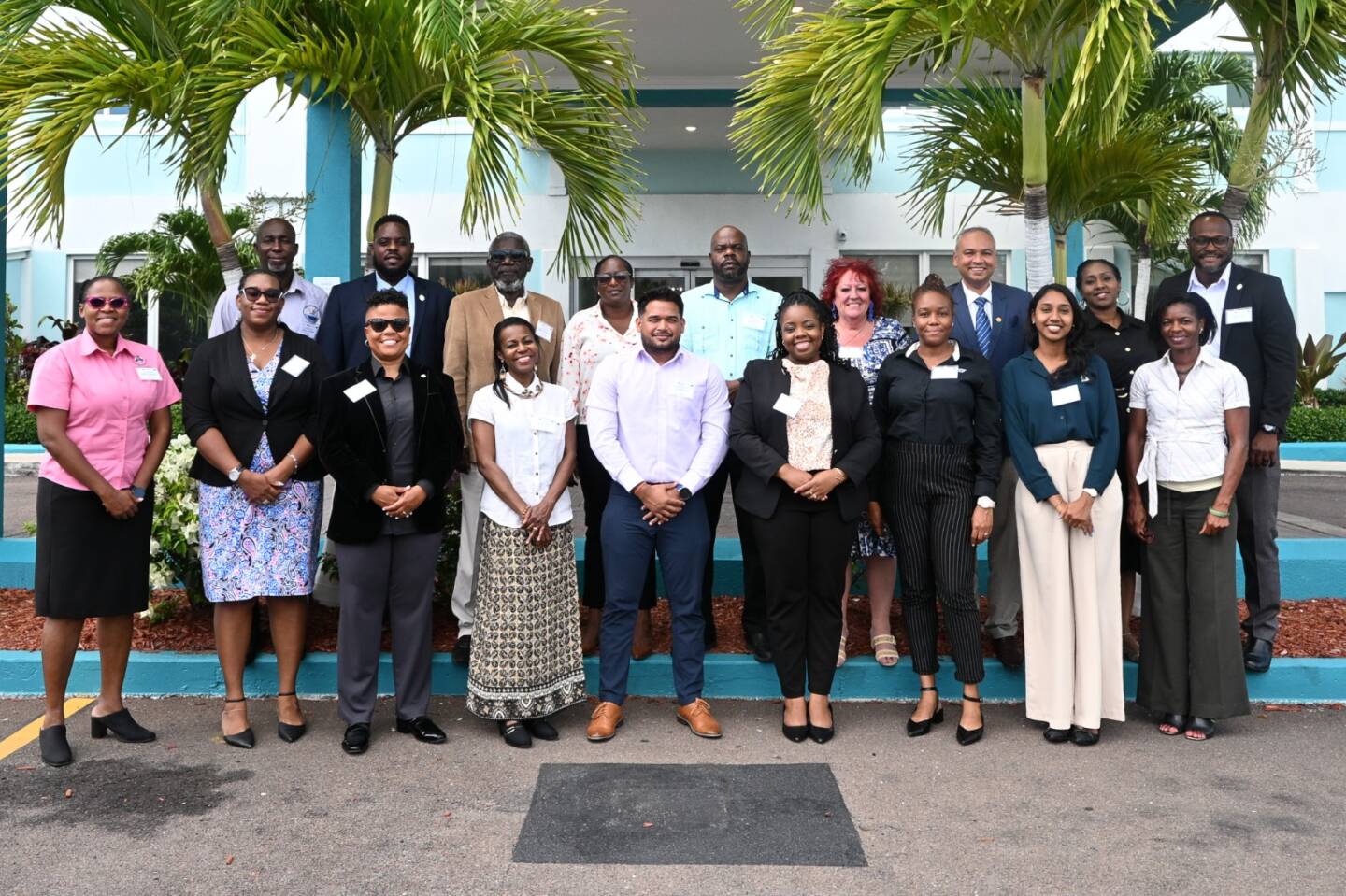
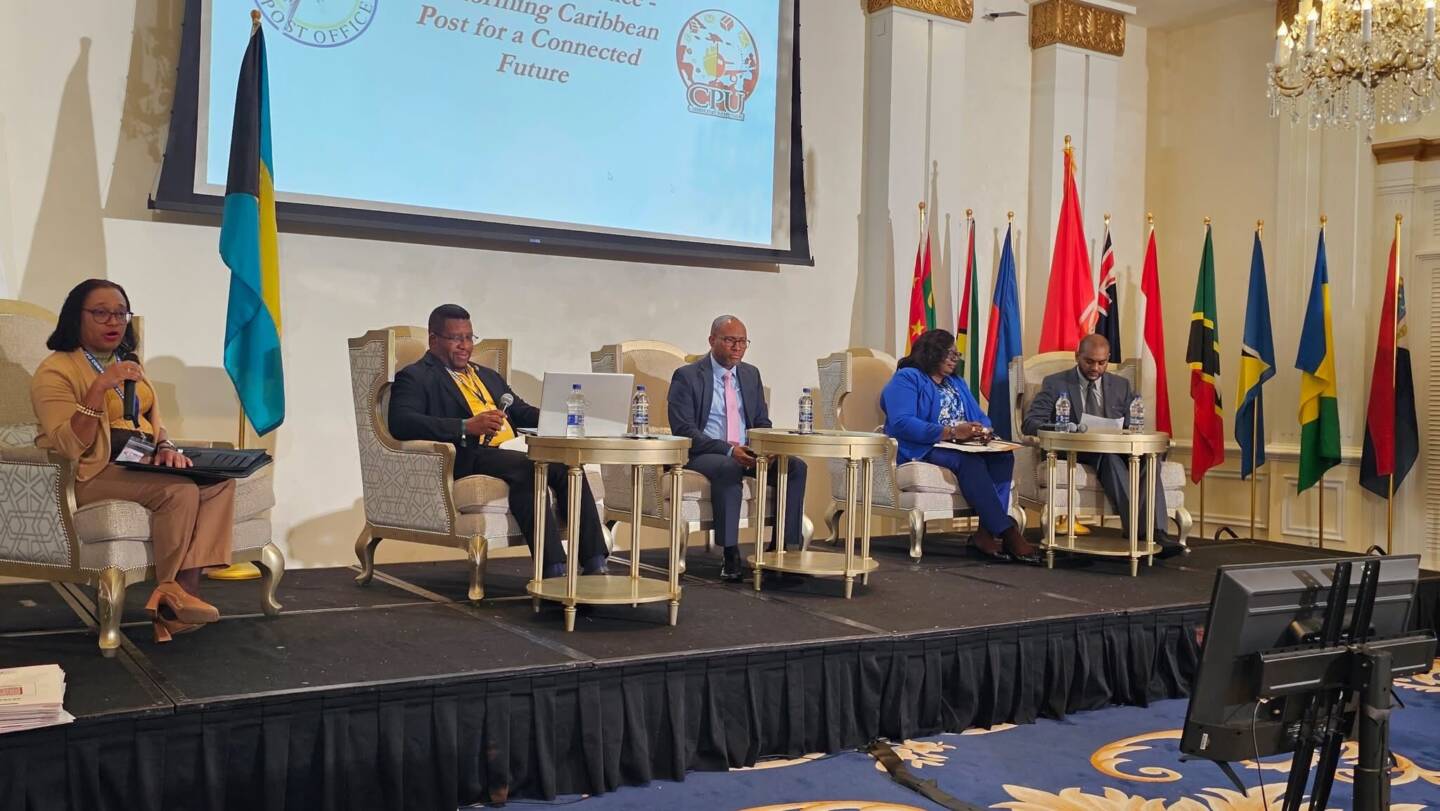
The meetings included the 14th Meeting of the Consortium of Regional Sectoral Early Warning Information Systems across Climate Timescales (EWISACTs) Coordination Partners, held from 25–26 May, 2026, and the 2026 Wet/Hurricane Season Caribbean Climate Outlook Forum (CariCOF) Stakeholder Forum, held from 27–28 May, 2026, in Nassau, The Bahamas.
GWP-C continues to serve as an observer partner within the EWISACTs Consortium, providing technical and strategic input on matters relating to water security, integrated water resources management, climate adaptation, and the application of climate information for decision-making across sectors.
The EWISACTs meeting brought together regional institutions and sectoral partners to review progress on climate services implementation, discuss resource mobilisation opportunities, advance the Caribbean Climate Impacts Database (CCID), and strengthen coordination among organisations supporting climate resilience initiatives across the region. Participants included representatives from the Caribbean Institute for Meteorology and Hydrology (CIMH), the Caribbean Disaster Emergency Management Agency (CDEMA), the Caribbean Public Health Agency (CARPHA), the Caribbean Water and Wastewater Association (CWWA), the Caribbean Tourism Organisation (CTO), the Caribbean Centre for Renewable Energy and Energy Efficiency (CCREEE), the Caribbean Agricultural Research and Development Institute (CARDI), the Caribbean Meteorological Organisation (CMO), as well as development partners and regional agencies engaged in climate, water, health, disaster risk reduction, agriculture, tourism, and energy resilience. Discussions also focused on the proposed Caribbean Climate Impacts Monitoring Network (CCIMNet) and future collaboration under the ClimSA programme.
As part of the subsequent CariCOF Stakeholder Forum, Dr Graham-Victor chaired the final day of stakeholder discussions, which explored emerging tools, partnerships, and investments needed to strengthen weather, climate, and hydrological services throughout the Caribbean.
The sessions chaired by Dr Graham-Victor included presentations on the Global Flood Awareness System (GloFAS) and the proposed Caribbean Flood Awareness System (CaribFAS), as well as discussions on tools for assessing disaster risk management in relation to Caribbean weather and climate and opportunities for resourcing fit-for-purpose weather, climate and hydrological services across the region. Together, the sessions highlighted the importance of strengthening forecasting capabilities, climate information services, hydrological outlooks, and regional partnerships to support disaster preparedness, water security, climate resilience, and evidence-based decision-making across Caribbean Small Island Developing States.
Reflecting on the discussions, Dr Graham-Victor noted that strengthening climate resilience requires continued investment in both climate information systems and the institutions that translate that information into action. “Water security, disaster risk reduction, agriculture, tourism, health, and infrastructure planning all depend on access to reliable climate and hydrological information. The EWISACTs and CariCOF meetings helped move this agenda forward by advancing regional collaboration, identifying practical opportunities for resource mobilisation, and strengthening coordination around the climate services needed to support informed decision-making and resilience-building across Caribbean SIDS.”
The meetings were convened by the Caribbean Institute for Meteorology and Hydrology (CIMH) with support from regional and international partners, including the World Meteorological Organisation (WMO), the Climate Risk and Early Warning Systems (CREWS) Initiative, ClimSA, and the European Union.
GWP-C remains committed to supporting regional efforts to strengthen climate resilience, water security, and climate-informed development through collaboration with governments, regional institutions, and development partners.
GWP-C