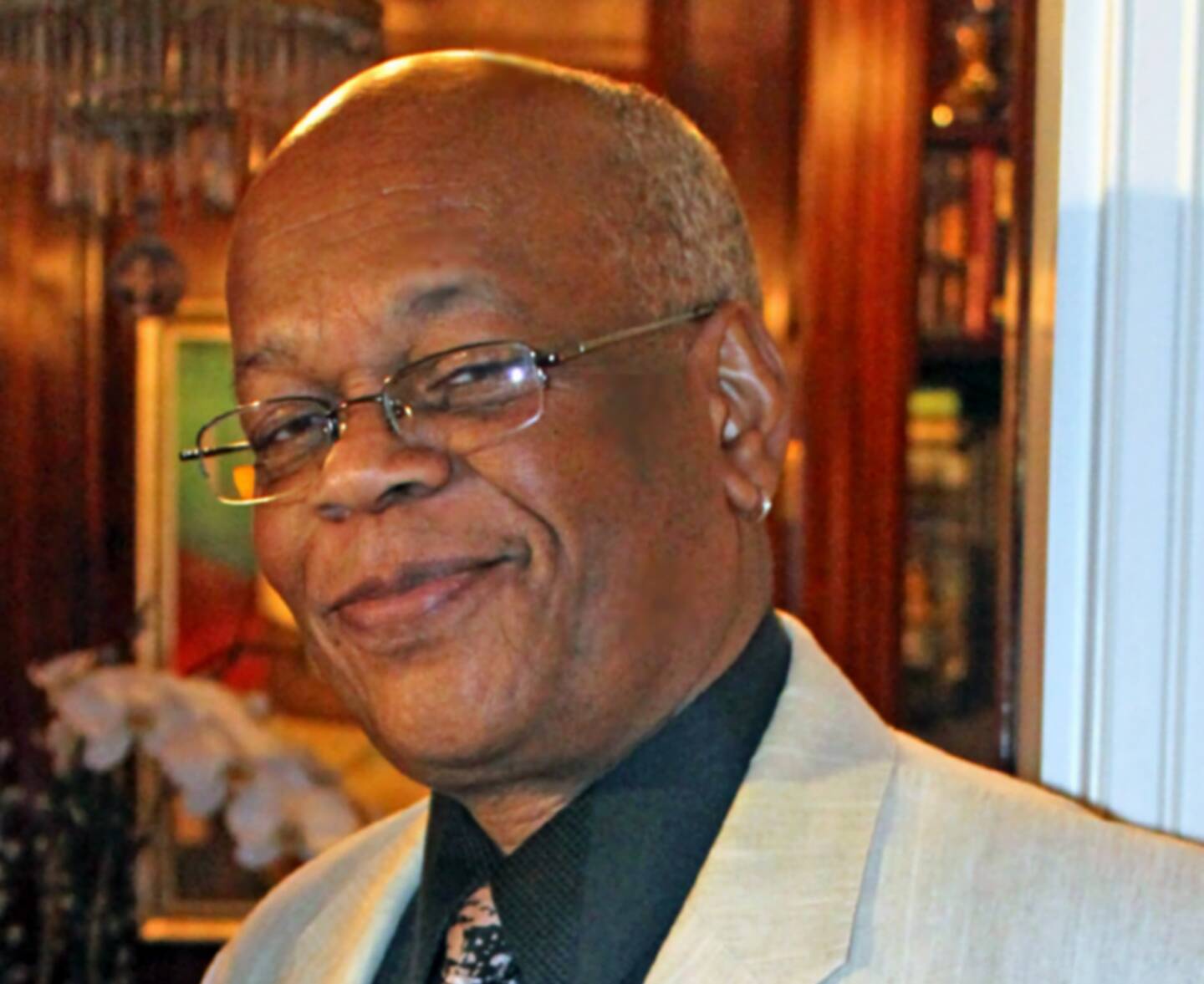







An analysis by Michael Derek Roberts
Grenada’s newest political pitch by its newest political party, the Democratic People’s Movement (DPM), is wrapped in sunshine: rooftop solar for every household, no upfront costs, lower energy bills, and a cleaner, stronger country. It is a compelling message. But as with most campaign promises that sound too neat, the missing details matter more than the slogans.
The first question is simple: who pays? “$0 upfront cost” is not the same thing as “free.” So, if households are not writing the first check, then someone else is — government, a lender, a utility, an outside investor, or ultimately the public through “covert” taxes, fees, or electricity rates. Campaign graphics love to erase that part, but real energy policy begins where the slogan ends. The DPM’s leadership know this. Peter David is no political spring chicken; he’s a seasoned politician skilled in “spin and obfuscation” packaged as facts — and sounding attractive.
The second question is whether the plan is operationally realistic. Rooftop solar is not a fantasy in Grenada. The island already has a framework for self-generation and net metering, which means excess power can be credited back to the bill. That makes the concept technically viable. But viability is not the same as scale. A few hundred installations are one thing; “every household” is another. Universal rooftop solar would require roof inspections, financing, permitting, customer enrollment, utility coordination, and probably grid upgrades. None of that appears in the DPM’s slogan. As they say, the devil is in the details. Yep. Talk is very cheap!
Then there is the claim that bills will fall every month. Yes, I genuinely believe that can happen, but only under the right conditions. A properly sized system can reduce monthly electricity costs, especially in a country where fuel-based power remains expensive. But savings depend on household consumption, system size, export credits, battery use, and the utility’s tariff rules. If the system is underpowered, poorly financed, or tied to unfavourable credit terms, the promised monthly savings may be modest or delayed. In other words, “lower your bill” is plausible; “guaranteed lower bills for everyone” is not.
The “every household, every community” promise is where the politics gets ahead of the policy. A serious national rollout would need a costed implementation plan, a financing institution, consumer eligibility rules, and a timeline. It would also need to confront the reality that not every roof is suitable, not every household qualifies for credit, and not every community starts from the same economic place. That means the real policy question is not whether solar should expand, but who gets it first, on what terms, and with what public subsidy. I guess the DPM left out a few very, very important details.
Small businesses are another attractive talking point. They may indeed benefit from solar, particularly if they operate during daylight hours and can consume power as it is generated. But again, the question is not whether businesses could save money. The question is how much, how quickly, and who absorbs the initial cost. As a professional political strategist, I know how campaigns often talk about savings as though they appear automatically. In reality, savings are the result of carefully structured contracts and disciplined rollouts.
So, in my view, the strongest case for the DPM solar plan is also the simplest: Grenada should reduce its dependence on imported fuel — something that Prime Minister Dickon Mitchell has CONSISTENTLY stated over and over again — and make electricity more affordable. That is a legitimate goal. But voters should not confuse a political graphic with a policy blueprint. If the DPM wants credibility, it should publish the numbers: total program cost, average cost per home, subsidy level, repayment terms, utility impact, and the expected timeline for implementation. Until then, the rooftop solar plan remains what many campaign promises are: attractive, directional, and incomplete. Sunshine is not a financing strategy.





I want to thank you Mr. Roberts, for your amazing point of view regarding this political statement made by the DPM. As you stated this all sounds too good to be true, our people have a tendency to digest everything that has been laid before them without asking the question who cooked it, or what’s the ingredients, not knowing if they might be allergic to what’s in it. my analogy servers as a reminder that we should stop and think but also ask questions before we board a sinking ship. The Dpm movement is made up of quite a bit questionable individuals, some of them are very seasoned politicians, some are not. this political party also has some scrupulous individuals who would say and do anything just to be reelected back into power. Our people need to take of the rose-colored glasses and pay attention to what’s been feed to them