










by Curlan Campbell
- Transportation accounts for 39% of Grenada’s greenhouse gas emissions
- Aim is to ensure that all new vehicles purchased from 2025 are either electric or hybrid
- Disposing of End-of-Life Vehicles presents challenges due to complex and hazardous composition
The increasing emphasis on electric vehicles (EVs) and renewable energy technologies is creating new opportunities for sustainability. This aligns with the government’s National Energy Policy for the transport sector from 2023 to 2035.
Grenada, aiming to boost low-carbon electricity use, cut fossil fuel dependence, and lower greenhouse gas emissions and air pollution, is using the United Nations Environment Programme (UNEP) and Global Environment Facility’s Seventh Replenishment Cycle (GEF-7) project resources for pilot programmes and regulatory upgrades. Transportation accounts for 39% of Grenada’s greenhouse gas emissions. In a major step towards its electric vehicle goals, Grenada exempted electric vehicle and charging station imports from all duties and taxes last year.
The aim is to ensure that all new vehicles purchased by 2035 are either electric or hybrid. However, it also brings about new environmental challenges. One of the main issues is the safe and efficient management of end-of-life disposal for electric vehicle batteries and related waste from renewable energy sources.
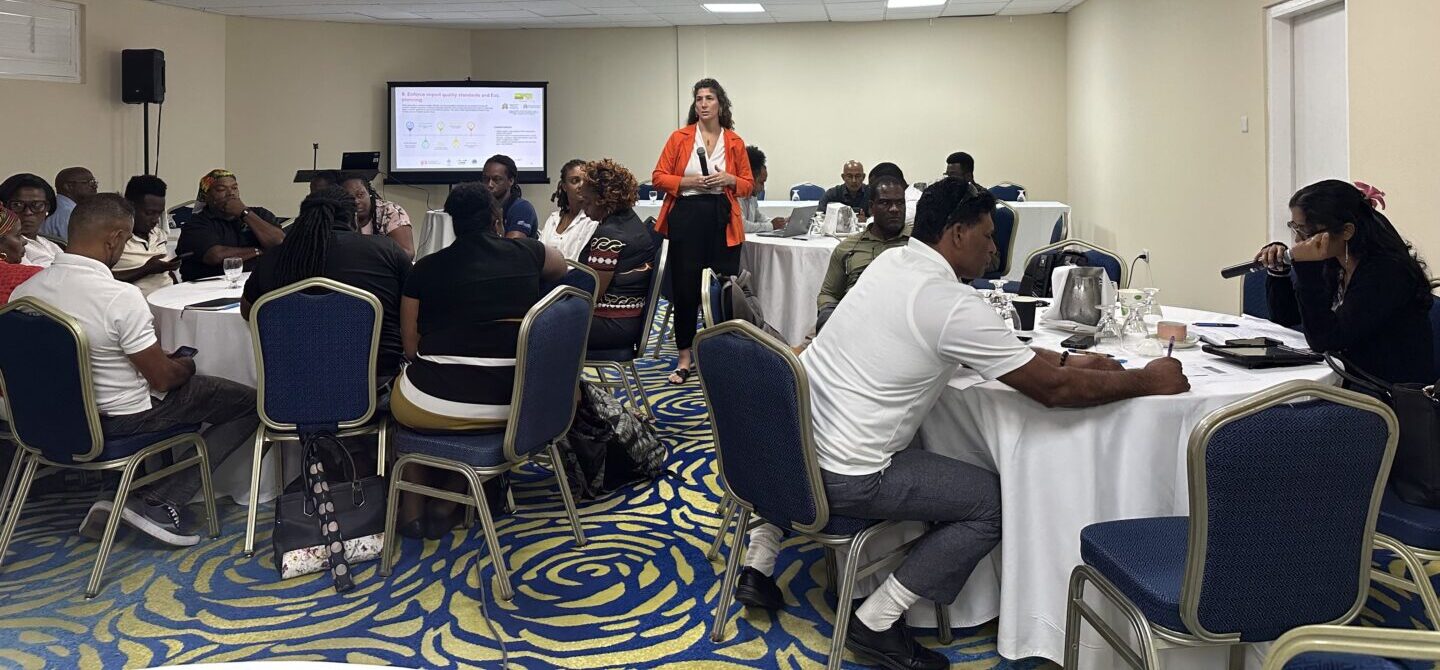
On Tuesday, 15 July 2025, stakeholders from across Grenada’s waste management and transport sector gathered at the Radisson Grenada Beach Resort for a Validation Workshop on End-of-Life Electric Vehicle and Renewable Energy (RE) E-Waste Management. The session was held in collaboration with the Grenada Solid Waste Management Authority (GSWMA), the Ministry of Infrastructure and Physical Development, the Ministry of Climate Resilience, UNEP GEF-7 E-Mobility Project–Grenada, Deutsche Gesellschaft für Internationale Zusammenarbeit (GIZ), and other key partners.
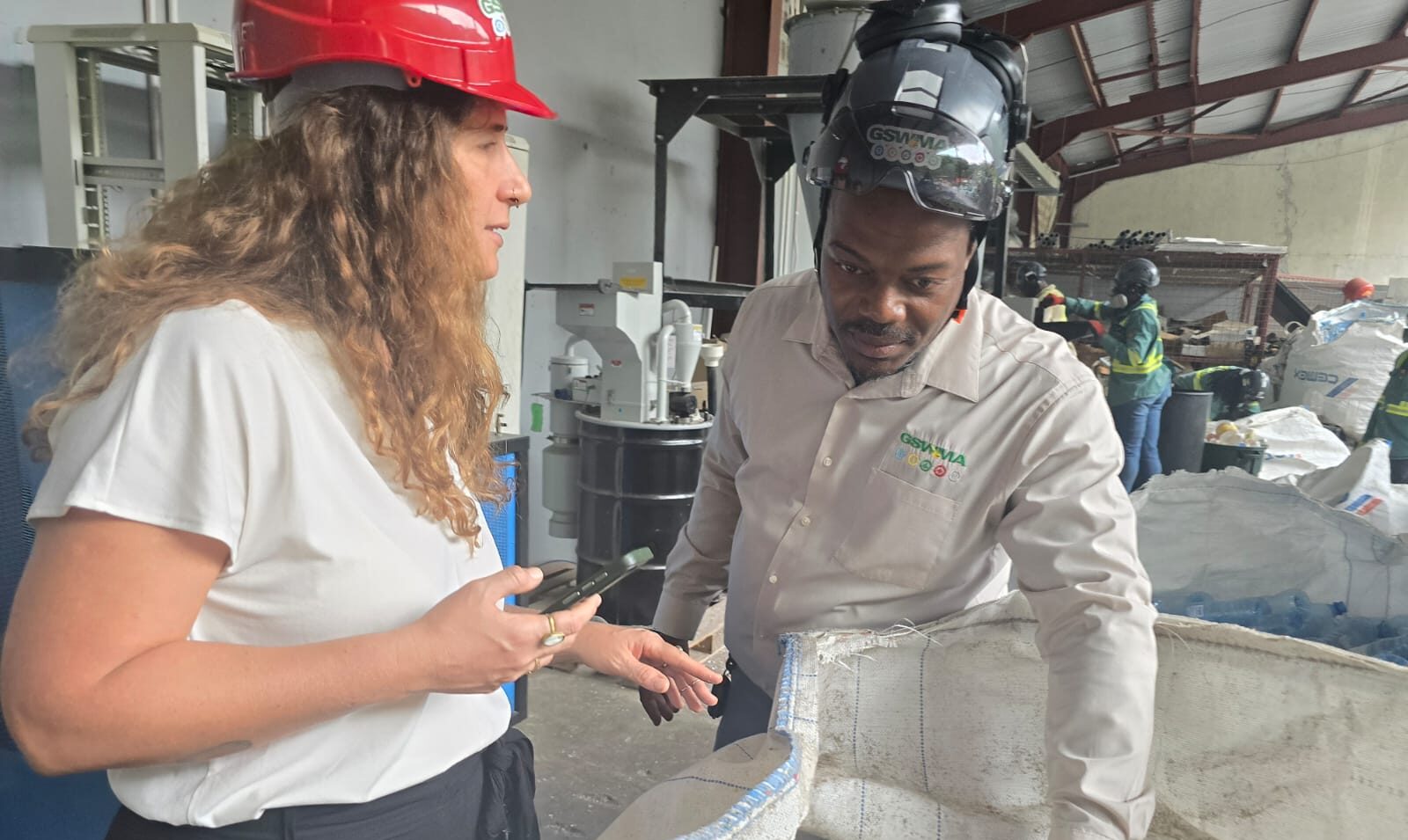
Rafaela Craizer, environmental engineer and Technical Director at BlackForest Solutions GmbH, emphasised the importance of taking a multi-pronged and inclusive approach. “This validation workshop was held to present to all stakeholders the roadmap we have developed for our best handling of electric vehicle and renewable energy waste,” Craizer explained. “We discussed everything from changes in the legislative framework to the development of infrastructure, setting an extended producer responsibility scheme, and developing a regional hub-and how all these points are interconnected.”
Craizer noted that feedback from the workshop would now be incorporated into the roadmap, which will be finalised and published in the coming weeks. “The idea after publishing this roadmap is not only that we can sensitise the stakeholders, but that we can work with the government to set up priorities for the country, design a concrete action plan, and start working on the measures we have proposed.”
Craizer indicated that funding remains a critical hurdle in the rollout of the project. “Of course, a major challenge is how to finance such systems,” she admitted. “We are still in the phase where we are evaluating and studying the possibilities. But this process is extremely necessary to ensure that the decisions are well taken and validated by local stakeholders.”
Disposing of End-of-Life Vehicles (ELVs) presents a host of challenges due to their complex and hazardous composition. Many ELVs contain lead-acid batteries, mercury, refrigerant gases, and mechanical oils. Additionally, persistent organic pollutants (POPs), like decabromodiphenyl ether (decaBDE) and brominated flame retardants, are often found in textiles, seat foams, linings, and plastic components, making responsible disposal essential to protecting the environment and public health.
Nickoli Boyke, Assistant Communications Officer at the Grenada Solid Waste Management Authority (GSWMA), highlighted how the authority is adapting to these emerging challenges. “As waste management is a very dynamic area, the Grenada Solid Waste Management Authority has to be able to deal with the varying waste streams-electric vehicles and renewable energy sources are relatively new to us here in Grenada.” He stressed the importance of moving beyond simple disposal toward resource recovery. “The Solid Waste Authority is moving away from looking at waste as a final disposal and instead focusing more on being a part of the circular economy through integrated resource recovery.”
Boyke also revealed that GSWMA is actively revising its legislative framework. “One of the most crucial areas that will definitely need restructuring is our Waste Management Act,” he said. “This workshop, and the feedback we got from dealers, importers, and retailers, will inform draft legislation that enables us to properly handle these waste types as part of our collection processes.”
With the rapid rise of EV adoption and renewable infrastructure, Grenada is clearly positioning itself not only as a user of green technology but as a responsible steward of its by-products.