










by L Simeon Collins, BSc, MSc, Food Scientist/Technologist, Certified HACCP/IS0 9000 and OSHA Auditor
Introduction
In Grenada, agro-processing trends over the past 50 years have been increasingly shaped by global and political changes. Global change is characterised by 2 components: globalisation and environmental changes. Globalisation refers to shocks and stresses associated with economic trade liberation while environmental changes refer to prolonged drought and intense rainfall both of which are caused by global warming and climate change. Political Changes refer to the political environment in which the agro-processor operates. These forces have impacted both the export of agro-processed products and agro-processed products produced for sale locally. In this article, we document the performance of the agro-processing sector in the context of these 3 external forces as well as examine the opportunities evident through overseas niche markets brought about by globalisation.
To facilitate discussion, this period has been divided into 4 phases:
- Phase 1 examines the period immediately after Independence: 7 February 1974 to 13 March 1979
- Phase 2 examines the period of the Revolution: 14 March 1979 to 25 October 1983
- Phase 3 examines the period after the Revolution: 26 October 1983, to the passage of hurricanes Ivan and Emily in September 2004 and October 2005 respectively
- Phase 4 examines the period 2005 to the present
Phase 1: The period immediately after Independence
During that period, the demagogic ‘Land for the Landless’ programme was introduced by the Gairy Government. Under this programme, estates owned by absentee owners were broken up and given to small farmers to produce agricultural crops.
An Agricultural Produce Laboratory was established with British Overseas Development Assistance (ODA) to provide the services of a Produce Chemist for technical assistance to agriculture and agro-processing. The lab was headed by Conrad Mason, a Food Technologist, who developed several formulations for jams, jellies, marmalades, etc. These were never utilised commercially or if they did, it was very little. Nevertheless, people did develop their own recipes for jams, jellies, spices, pepper sauce, seasoning and corned jacks and fish, which, except for the corned jacks, were for their own use.
The traditional crops, nutmeg, cocoa, and bananas were exported with no efforts made to preserve them.
Globalisation did not affect Grenada during this period since Grenada only became a member of WTO from 22 February 1996 and a member of GATT since 9 February 1994. There were also no serious environmental issues affecting Grenada.
Phase 2: The period of the Revolution
Between 1979 and 1983, the People’s Revolutionary Government (PRG) promoted state farms at the expense of individual estates. The government also divested parcels of acquired land to ‘potentially suitable’ small farmers, via a model farm scheme.
The Revolution also promoted the slogan “grow what you eat and eat what you grow,” and declared a year as the Year of Agriculture and Agro-processing, which resulted in the first serious effort to commercialise agro-processing made by the state with the Produce Chemist Laboratory (PCL) starting to process their products for sale locally. Although at that time efforts were made to export some of these products but that did not materialise due to Grenada being seen as an enemy country by the capitalist forces which rule the world.
The Cubans in the early 1980s, introduced long-line fishing and the use of large fibreglass boats with hoods. As a result, the local fishermen greatly increased the quantity of fish caught resulting in excess being produced for exports.
The world market prices for Grenada’s major agricultural exports nutmeg, cocoa and bananas fell 22% between 1979 and 1980, and when the entire agricultural economy, also suffered from the devastating effects of 2 hurricanes during that period. It was logical that the state would turn initially to agro-industries since the raw material was readily available, and since this would reduce the need for foreign food imports, and consequently, foreign exchange. A plant was established for the processing of local fruit into juices and jellies. Similarly, a fish processing plant was built by the National Fisheries Corporation. This latter body, itself, was established in 1981 to develop the fishing industry.
The state-owned Grenada Development Bank (GDB), whose forerunner was Gairy’s Agricultural Bank, continued to serve the loan needs of farmers and small businesses.
Soon after the PRG began its rule, a Marketing and National Import Board (MNIB) was established. This gave the state, through this board, the exclusive right to import the basic food requirements for its population, including rice, sugar and cement. The state, in keeping with its primary objective of feeding the population, was determined that necessities would be available at reasonable prices. The board was also required to locate export markets for domestic agricultural products. In spite of the steadily expanding state sector in the economy, between 1979 and 1983, this sector, at the end of those 4 years, accounted for less than 25% of the Gross National Product.
Globalisation did not affect Grenada during this period since Grenada only became a member of WTO from 22 February 1996 and a member of GATT since 9 February 1994.
Phase 3: The period after the Revolution
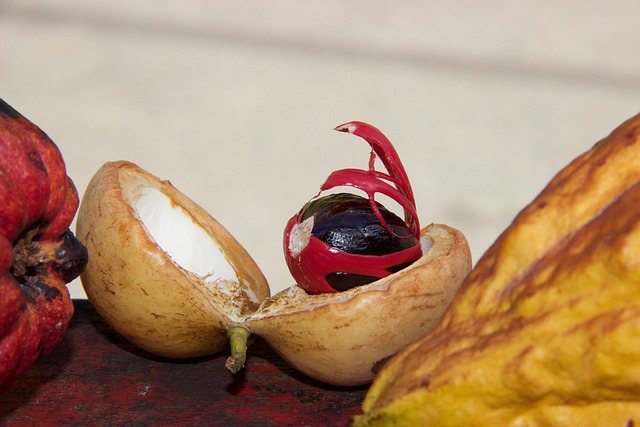
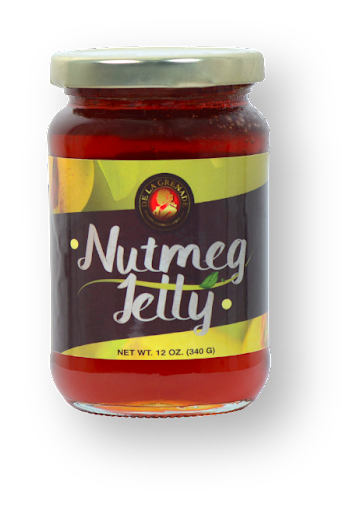
De La Grenade Industries, a leading Food Processing Company in Grenada, has pioneered the use of nutmeg pericarp (fruit) in the manufacture of high value-added delicious products — Morne Délice Nutmeg Jam, Jelly and Syrup — which are distributed on the local market and exported regionally and internationally.
In 1991, De la Grenade Industries which started out as a cottage industry, effected the transition from cottage to commercial production, and expanded the product range to include more traditional drinks such as seamoss, mauby, and ginger drinks as well as hot pepper sauce and pepper jelly.
In 2009, the factory building was remodelled, the equipment upgraded, and the land around the factory transformed into a beautiful herb and spice garden open to visitors, becoming the largest agro-processing plant in Grenada.
Another large processing company, Delicious Juices, was established La Sagesse, St David by Dr Mitchell making fruit juices and drinks from local fruits, but it folded after a few years.
There were also several fish processing plants established during this period: Grenada Commercial Fisheries Ltd (GCFL), Alex Swan, Southern Fisheries and Norbert Simon Fisheries Plant at Gouyave. They sold Yellowfin Tuna, Ocean Gar and Blue Marlin to the US. The privately owned Alex Swan has since purchased the government-owned GCFL and is operating under the brand name Grenada Fisheries Ltd.
Additionally, most of the sugar-producing factories in Grenada started producing alcoholic products instead of raw sugar for export to the international market.
W & W Spices Ltd was started in 2002 by Joel Webbe, a Montserratian who migrated to Grenada after an earthquake destroyed most of Monsterrat. It was purchased in 2011 by the St Bernard family and renamed West India Spices. In 2015, it was sold to a new buyer who kept the name. Among the products made were nutmeg oil, lemongrass and pimento oil, seasoning, lemongrass splash as well as nutmeg butter and oleoresin.
A nutmeg pain-relieving spray was produced in this period. This special formula was created by Denis Noel of Noelville.

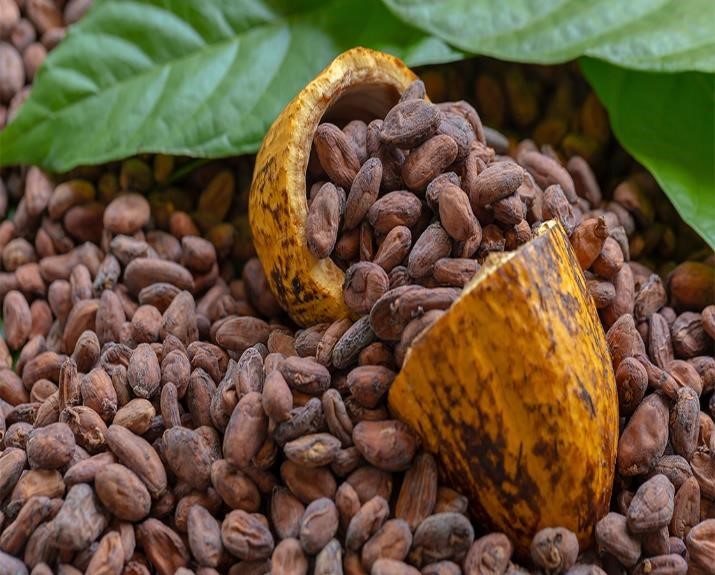
In the case of cocoa, instead of exporting all the cocoa, about 5 chocolate factories were established: The Grenada Chocolate Company, Belmont Estate, Diamond Chocolate Company, Tri Island Chocolate located at the Spice Basket and Crayfish Bay Ltd. The Grenada Co-operative Nutmeg Association started preparing whole and ground nutmeg and mace for export and sale to tourist vendors. They also started making other products with nutmeg including jams and jellies.
Bananas and plantains were being used to make banana and plantain chips by several home-based agro-processors.
There are also several cottage industries and small-scale producers making jams, jellies, tamarind balls, hot sauce, seasoning and other confectioneries for the local market and for export in what I refer to as the Suitcase Trade.
Grenada has been a member of WTO since 22 February 1996 and a member of GATT since 9 February 1994. This means that Grenada can no longer use tariffs and quotas to protect their industries from competition from foreign products, but provides for increased trade among members.
Hurricane Ivan destroyed 70% of the 555,000 nutmeg trees in Grenada in 2004. Damage to the physical infrastructure supporting the nutmeg industry was also considerable. Eleven of the nineteen nutmeg receiving stations sustained considerable damage at an estimated cost of EC$5.7 million, while the nutmeg distillation plant located in Marli, St Patrick will require approximately EC$650,000 to refurbish the plant to a desired level of operation. Additional cropping damage included:
- 100% destruction of the 350 acres of bananas estimated at EC$1,440,134
- destruction of 15.4% of the 120 acres of citrus estimated at EC$ 2,610,623
- complete obliteration of the 114.5 acres of vegetables valued at EC$2,792,000
- destruction of minor fruits estimated at EC$2,792,000, and almost one-fifth of the 282 acres of roots and tubers valued at EC$837,125
90% of the bananas planted after Hurricane Ivan have been destroyed. Many of these bananas were already being harvested for the local market and have been lost because of Hurricane Emily.
Phase 4: 2005 to the present
At an FAO Regional Conference for Latin America and the Caribbean held in Nicaragua in 2020, it was concluded that the Covid-19 pandemic caused significant disruptions in the agriculture and fisheries supply and value chains in Grenada, thus revealing systemic weaknesses in the agriculture and food supply chains.
Historically, the economic fortunes of Grenada have been linked to the performance of the agricultural sector and in particular, the production and export of bananas, cocoa and nutmeg. Grenada also has a large subsistence sector producing fruits, vegetables and livestock for domestic and regional markets.
Agriculture and Fisheries are significant contributors to rural employment and poverty reduction.
Hurricanes Ivan and Emily negatively impacted the entire nutmeg supply chain with long-lasting consequences. Due to the interdependencies in the nutmeg supply chain, the hurricanes’ impact at the farm gate had a ripple effect along the supply chain. This resulted in a significant reduction in production and exports to date, a decrease in nutmeg revenue and employment in the industry, a loss in world market share and Grenada’s position as one of the world’s largest nutmeg suppliers.
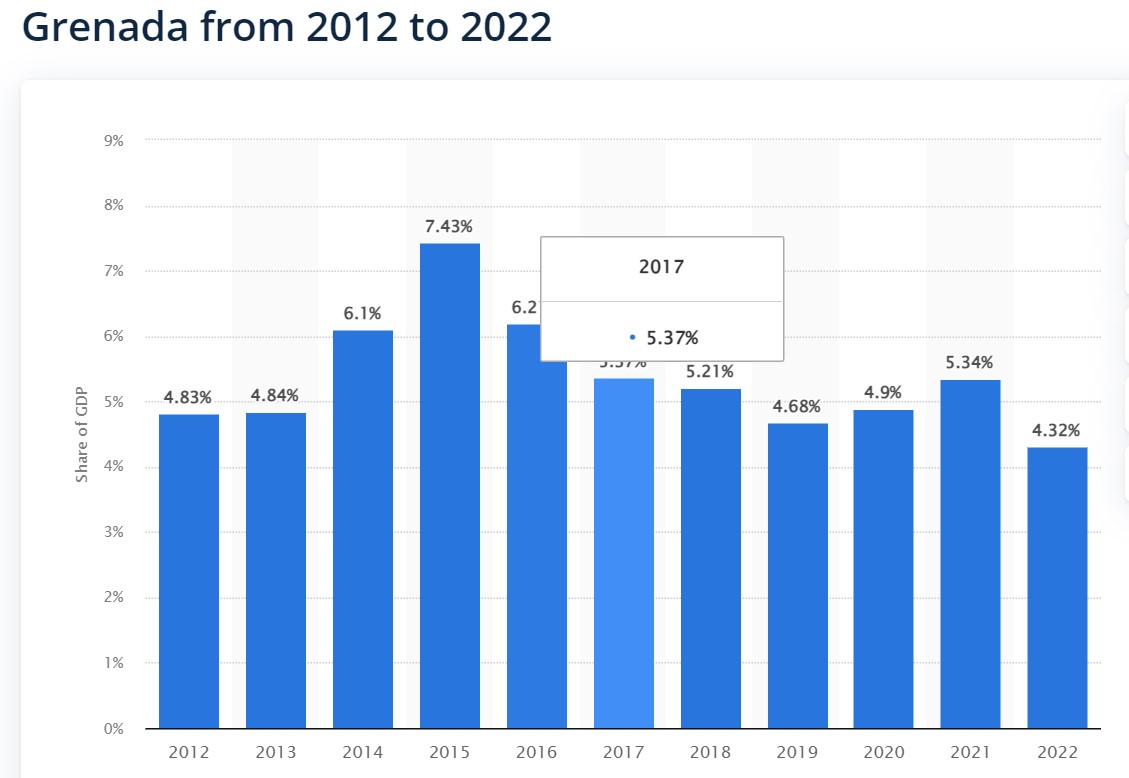
Since the passage of hurricanes Ivan and Emily, agro-processing has become the main focus towards achieving market development and price enhancement and a suite of support mechanisms were put in place to provide support to agro entrepreneurs, for instance, duty-free concessions on equipment and market facilitation. The Government of Grenada is actively working with the private sector to develop a strong public/private sector linkage. The Chamber of Industry and Commerce is now one of the ministry’s strategic partners. Several initiatives are being undertaken to achieve their policy objective of institutional strengthening. Some of these include the proposed merger of the commodities board (Cocoa and Nutmeg); the purchasing of shares in WINFRESH and the support of the new chocolate factory in Diamond. Additionally, tractors, micro sprinklers, etc. were introduced. These helped farmers reach new levels of precision and efficiency in crop management.
During the period under review, Grenada has won numerous awards in the National Honey Show (NHS), in London which provides evidence for the high quality of local honey. For example, in 2018, Grenada was awarded a prestigious Silver Star for the quality of its honey, which has been ranked among the best in the world. It received the award at the UK’s 81st National Honey Show. It also received a commendation for the quality of its honeybee wax candles. One of the major suppliers is Spice Island Pure Honey produced by Jessamine Eden Apiary,
The future of agro-processing as Grenada celebrate 50 years as an independent nation
There are tremendous opportunities for the successful establishment of a vibrant and potentially profitable agro-processing sector. This will however require the following:
- Stronger, more meaningful linkages between the farming community, the agro-processing sector, Government and financial institutions
- The agro-processing sector and the government should work on formulating policies that will favour both local and international processors to promote more processing activities in Grenada
- Lending institutions should lower interest rates for processors to make funds available to them which will help various processors to acquire up-to-date technologies which will speed production, reduce costs and increase profitability
- Storage facilities should be improved to enable the preservation of raw materials and processed foods to ensure food security in the country
- There is a need to embrace new technology such as Green Housing Farming Technology: Greenhouse farming technology is rapidly evolving and has the potential to revolutionise the global food supply and hydroponics: one of these techniques involves plants being grown in a grow tray that it slightly angled and positioned with a a reservoir filled with the water-nutrient mix
- More efforts should be made to introduce e-agriculture in farming: wifi, tablet or computer, user-friendly data entry software, App to deliver information, App to collect data, SMS messaging to farmers, processing plants, retail outlets, consumers using smartphones with app scanning product code to get information and training in the use of this technology
- A Focal Point should be appointed within the Ministry of Agriculture to follow up on agro-processing initiatives and projects