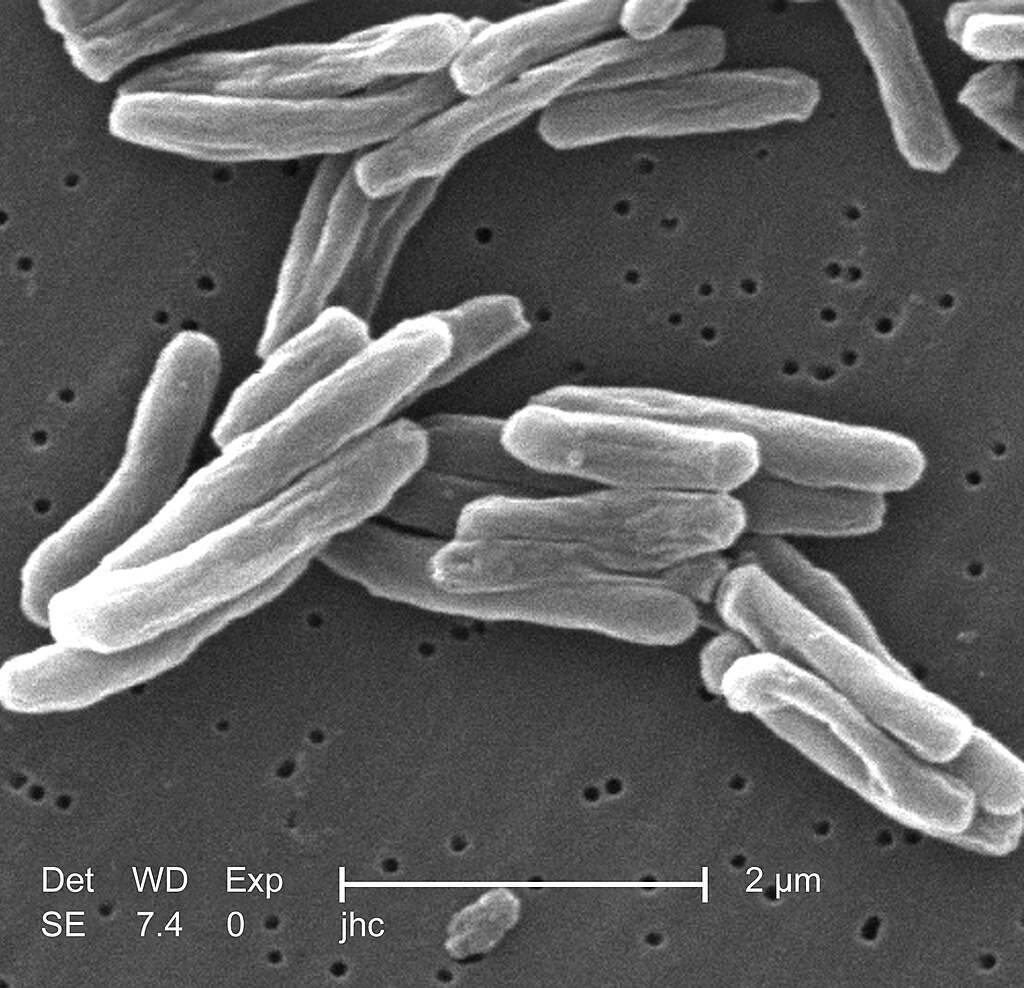














The Ministry of Health is currently investigating cases of tuberculosis (TB). Of particular concern is that children are among those affected.
Grenada typically records 2 to 3 cases of TB each year. However, 3 active cases have already been confirmed so far this year. Those persons are currently in isolation, receiving the necessary treatment.
Tuberculosis is a chronic bacterial infection that most commonly affects the lungs, although it can also involve other parts of the body.
TB is spread through respiratory droplets released into the air when an infected person makes forceful respiratory movements like coughing or sneezing. In most instances, prolonged close contact is required for transmission to occur.
After infection, the bacteria may remain dormant in the body for many years without causing symptoms. This stage is called latent TB infection (LTBI). Individuals with LTBI are not contagious and cannot spread the bacteria to others. Active TB disease occurs when the immune system becomes weakened — such as from other illnesses or malnutrition — allowing the bacteria to multiply and cause symptoms. People with active TB disease can spread infection to others.
Symptoms of active TB include a persistent productive cough, fever, fatigue, and weight loss. Individuals with weakened immune systems are at greater risk of developing the disease.
TB is curable with specific antibiotic treatment that is typically taken for 6 months. Without treatment, however, the disease can be fatal.
Whenever a case is diagnosed, the Ministry of Health conducts a thorough contact investigation to identify individuals who may have been exposed. These contacts are tested to determine if they were infected, and those with latent infection are offered preventive treatment to substantially reduce the risk of developing active disease.
The ministry encourages the full cooperation of all individuals as it works to protect the public from tuberculosis and other communicable diseases.
Ministry of Health