











by Nisha Paul
- Potential arrival of skilled workers could relieve mounting labour pressures
- Chronic labour shortages in construction, agriculture, and hospitality sectors
- Government not prepared to accept anyone with criminal record
Grenada is exploring a non-binding memorandum of understanding (MOU) with the United States that could see the island receive third-country nationals deported from the US, a move officials say could help address chronic labour shortages in construction, agriculture, and hospitality.
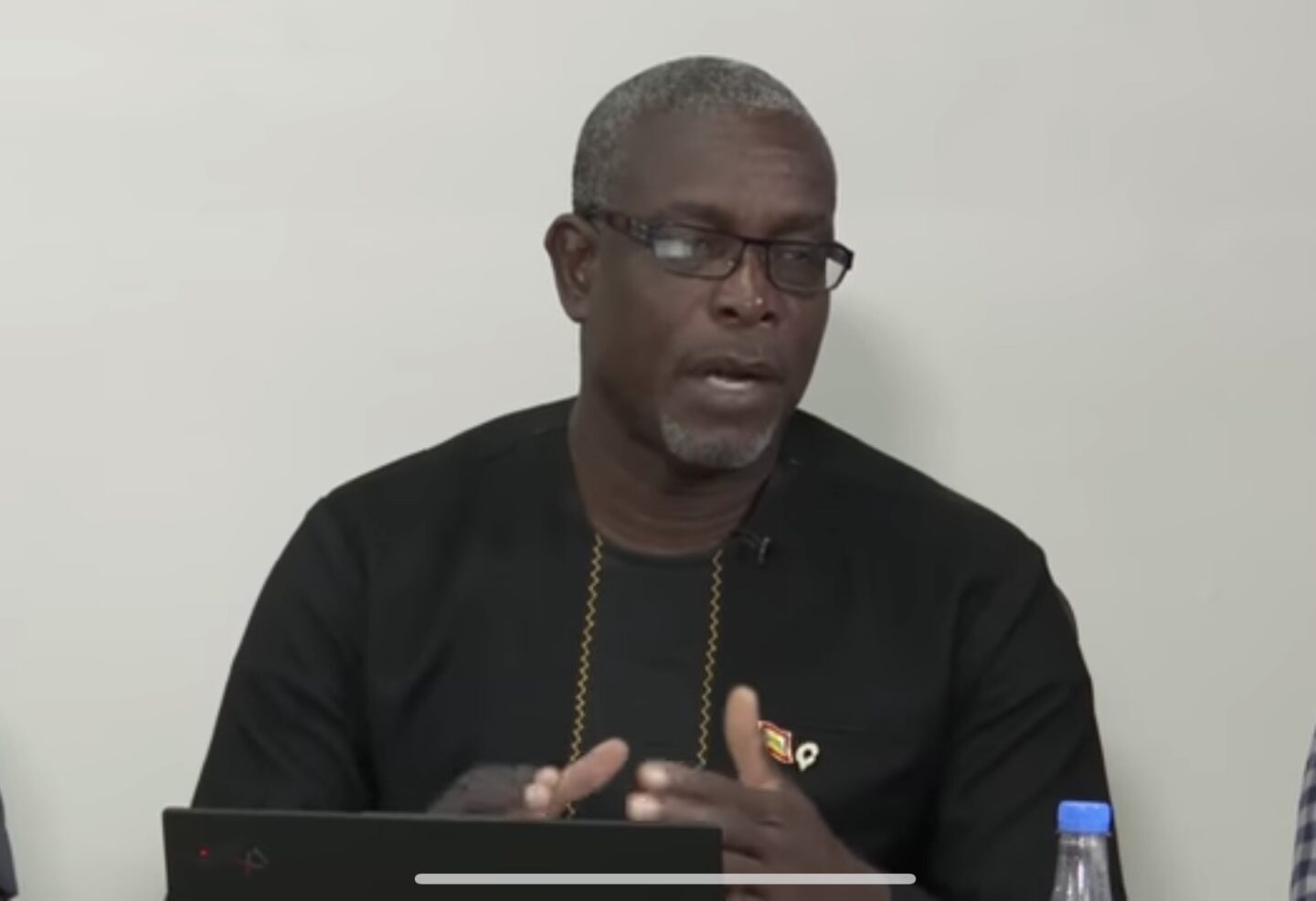
Prime Minister Dickon Mitchell has confirmed that his government has formally signalled interest in accessing workers through the third-country nationals transferee framework, part of a broader US initiative to relocate individuals it cannot easily return to their home countries.
“If there are people who are closer to home, who in the current circumstances don’t need visas, and if the US government is prepared to put them on a direct flight to Grenada, and we are satisfied they are able-bodied, fit, have no criminal record, and possess the skills we need, then yes, we would welcome them,” Mitchell said during this week’s post-Cabinet briefing in St George’s.
He emphasised that Grenada will not bear the cost of transporting or resettling these workers. “Part of the MOU would have to be the United States footing the bill. If they are unable or unwilling to do so, then it’s not going to happen,” he said, noting that Grenada remains under no legal obligation and retains full discretion over participation.
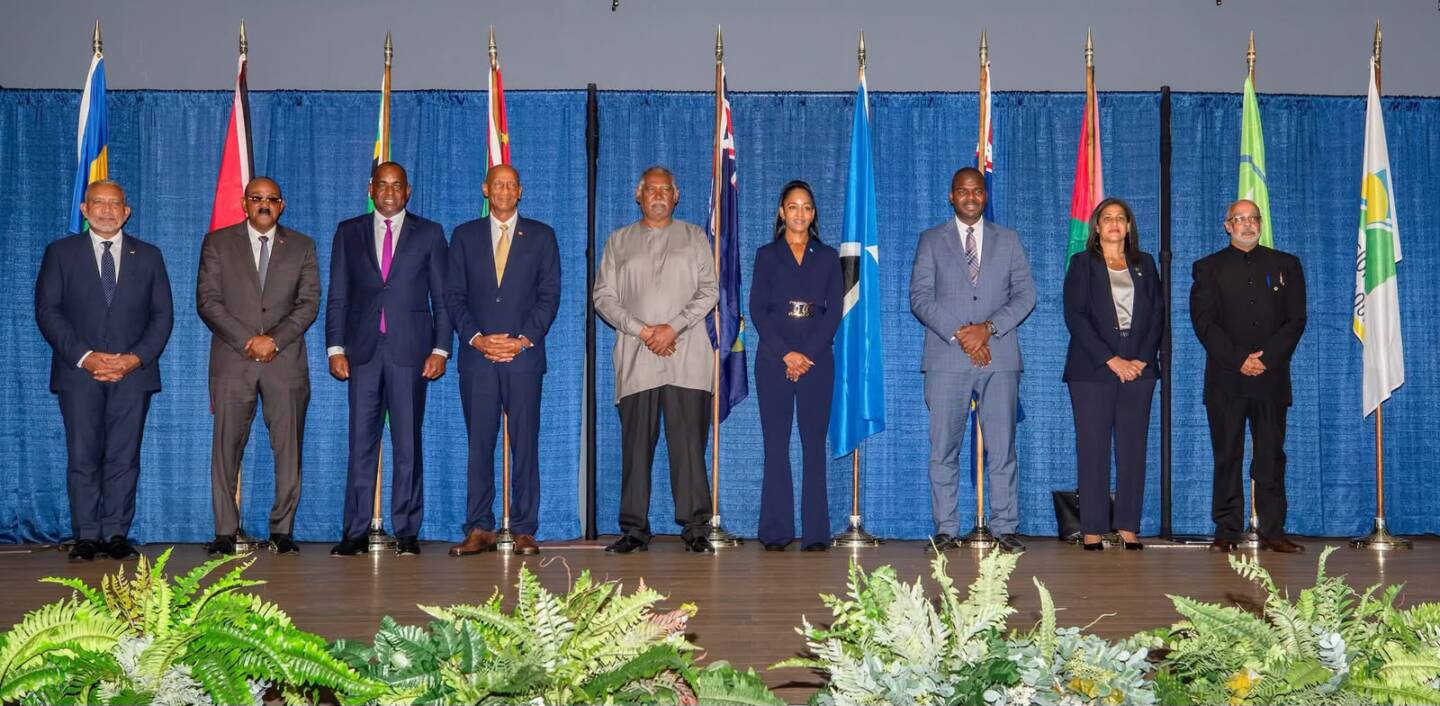
According to international reports, no Caribbean country has formally agreed to accept third-country deportees from the United States. Across the Caribbean, other governments have taken a range of approaches to similar US requests. Dominica has signed an agreement to facilitate third-country refugees, subject to vetting and security reviews.
Antigua and Barbuda has engaged with Washington on a potential framework, emphasising limits and controls for deportees or asylum seekers. Guyana is reported to be nearing finalisation of a framework, though discussions remain ongoing, while St Kitts and Nevis has a memorandum of understanding covering mainly nationals within the Caribbean Community (Caricom), with restrictions on certain groups.
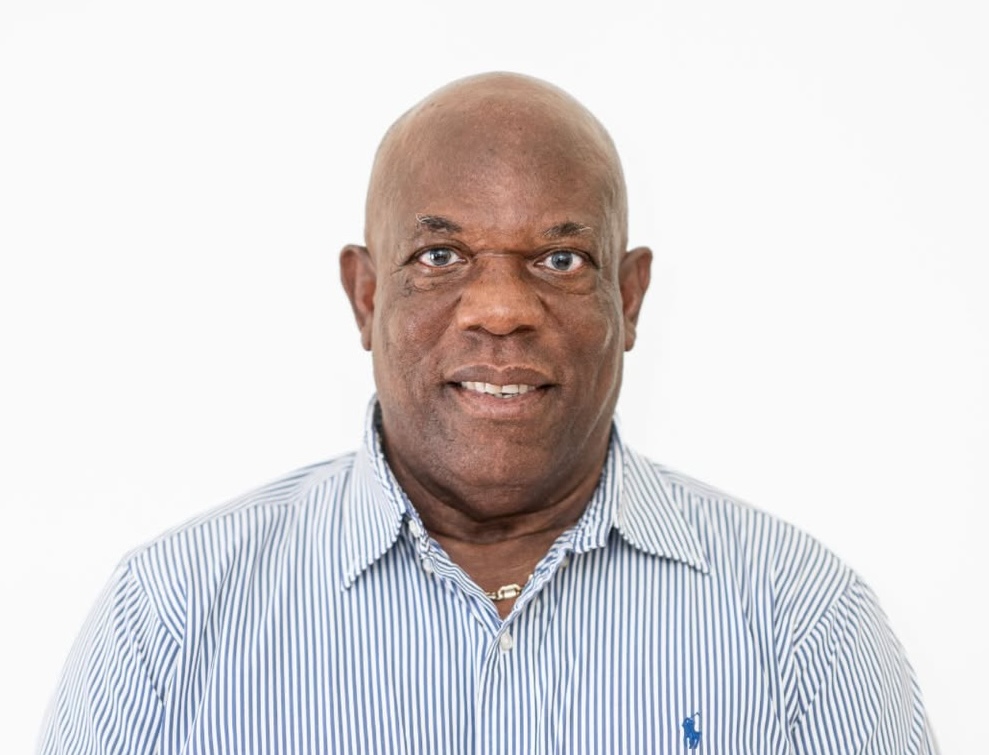
Meanwhile, Minister for Foreign Affairs Joseph Andall, speaking at Tuesday’s post-Cabinet briefing, explained that the government is not prepared to accept anyone with a criminal record, save and except for the violations of US immigration laws. He stressed that any acceptance of third-country transferees would be conditional and grounded in international law, making clear that Grenada is under no obligation at this stage.
According to Andall, “if and when” Grenada accepts such individuals, they must be afforded full protection under international human rights standards, including protection from torture, arbitrary treatment, or discrimination based on race, religion, or any other status. He noted that these humanitarian considerations are among the reasons the government is giving the proposal cautious consideration, acknowledging that for some individuals, return to their country of origin could pose serious, even fatal risks. “Obviously, there are people for whom returning to their country can be deadly,” he said. “They will be protected under international law, they will be subject to our domestic laws, and the country sending them to us must provide assurances — not just verbal assurances — but assurances demonstrated in tangible ways that the means to take care of their material needs are provided for.”
The government is optimistic that the potential arrival of skilled workers could relieve mounting pressures, particularly in sectors struggling to find local labour.
 Loading...

 Reload document
  Open in new tab








Grenada unemployment is over 10% (and youth unemployment is near 30%). We don’t need more labourers, sir, we need jobs! I understand you bowing to US demands in hopes of lowering the travel advisory. Just say so. Don’t be like them and lie to your citizens faces.
and we are too damn lazy our work ethics are poor that’s why half of the time we have to get labour else where, when you offer someone a job they will tell you they are coming and never show up, its easier to go to the Rum shop and drink than go and make a days work, put politics aside and be honest there is a shortage of skill trades people on the island every one is a skill trade person and don’t know what the hell they are doing, we need skilled labour until our attitude changes.we will suffer just stop been negative
When our cousins from Haiti were cruelly denied entry into Grenada, I cried. Now that Grenada is willing to open its borders to unwanted unknowns, I am scared. The PM and his party were elected based on their personalities and not on their politics.
Now that a few years have passed, it is clear that we, our ancestors, and our descendants deserve more than what the ruling party can deliver. Such a shame.
The government should consider that these potential deportees left their respective homelands to seek livelihoods in the USA. If the USA does not want them, would the deportees have any say in the decision to send them to Grenada or elsewhere in the region? It is one thing to be willing to accept, but are we receiving the willing? If they are forced against their will to de deported here, that is a problem, and it could be bigger problems down the road. Taking able bodied men against their will and shipping them in to work here, would also be against their will. So, as we attempt to be humanistic, any act against the will of those affected is inhumane. We all view the inhumane ways the USA capture and treat these folks. The world needs to unanimously, and vigorously condemn that as criminal. I am aware that it is difficult for small states in this present dispensation, but resorting to quiet compliance is like a cancer.