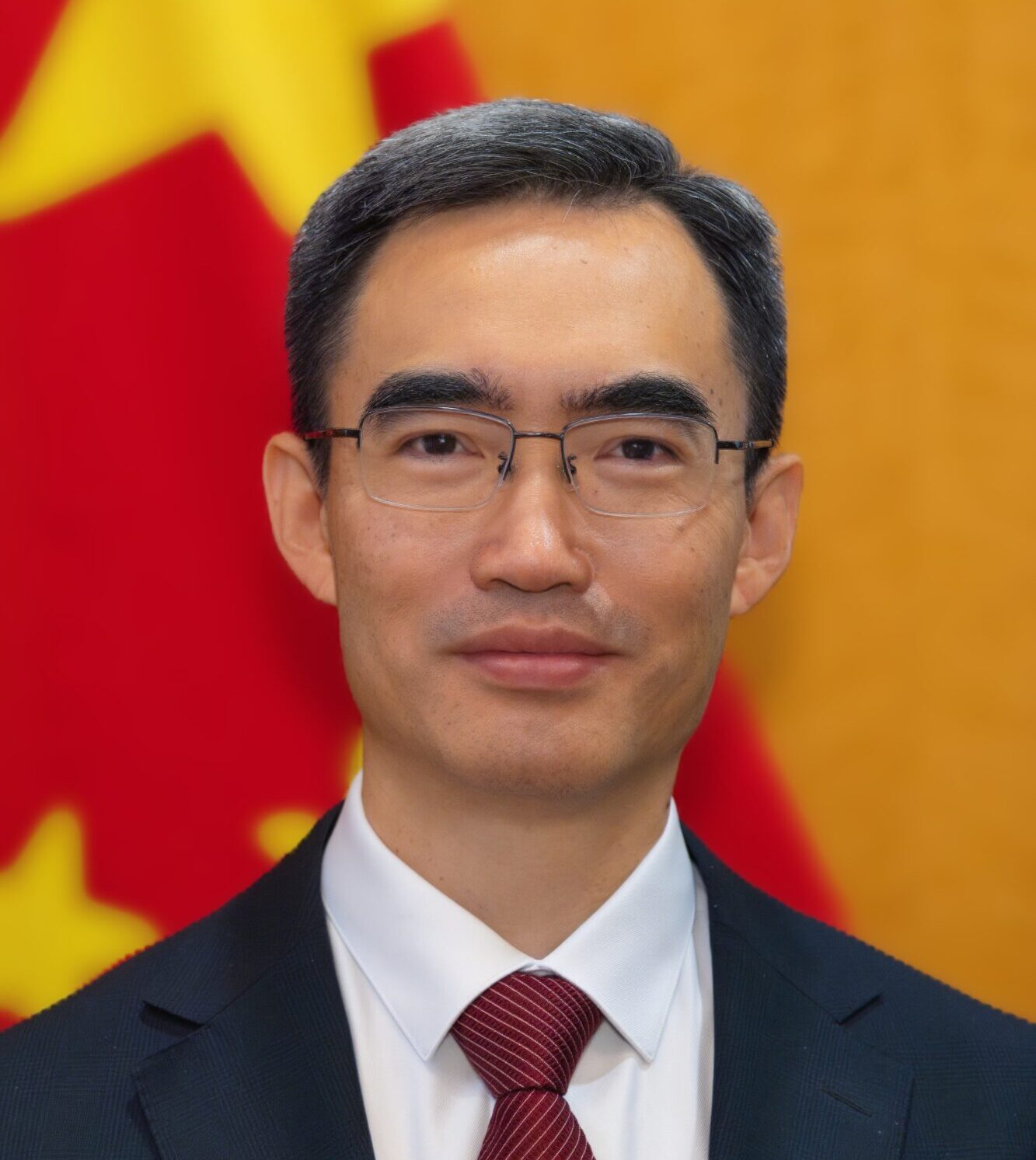















by H E Ambassador Yang Shu, Embassy of the People’s Republic of China to Grenada
On 10 December 2025, the Chinese government issued the 3rd Policy Paper on Latin America and the Caribbean (LAC).
Following the issuance of its first and second policy papers in November 2008 and November 2016, respectively, the new policy paper was released after a 9-year interval. These 3 documents, which are consistent in their core principles while adapting to the times, bear witness to the steady growth and promising future of China–LAC relations.
In May this year, President Xi Jinping attended the opening ceremony of the Fourth Ministerial Meeting of the China–CELAC Forum and delivered an important address. He announced that China is ready to join hands with LAC partners to launch 5 programmes, including Solidarity Programme, Development Programme, Civilisation Programme, Peace Programme and People-to-People Connectivity Programme, to advance shared development and revitalisation, and contribute to a China–LAC community with a shared future. This has been widely welcomed by LAC countries. The Chinese government’s release of its 3rd policy paper on LAC at this time aims to follow through on the spirit of President Xi Jinping’s important speech, advance the implementation of the five programs for building a China–LAC community with a shared future, and inject new momentum into the development of China–LAC relations.
The policy paper, mainly consisting of 3 parts — “Latin America and the Caribbean: A Land Full of Vibrancy and Hope,” “The Flourishing Relations Between China and LAC” and, “Joining Hands to Promote the 5 Programmes for Building a China–LAC Community with a Shared Future” — serves as both an “cooperation checklist” between China and LAC countries and a “road map” for the future of China–LAC collaboration.
Part I emphasises the important role LAC countries play in the world today. LAC is an important part of the Global South, and a major force for world peace and stability, global development and prosperity. In recent years, LAC countries have actively explored development paths suited to their national conditions, sought strength through unity, and participated in global governance, with its global influence continuously on the rise. The region as a whole boasts a glorious tradition of independence and unity for strength and enjoys bright prospects. It is an essential force in the process toward a multipolar world and economic globalisation.
Part II reviews the history of China–LAC relations. In the early days since the founding of the People’s Republic of China in 1949, China–LAC relations were primarily characterised by people-to-people exchanges. After the 1960s, with the establishment of diplomatic relations between China and some LAC countries, exchanges and cooperation between the 2 sides became increasingly close, with both supporting each other in safeguarding national sovereignty, independence and dignity. With the efforts of successive generations, the China–LAC friendship has taken deep root in the hearts of their peoples. In recent years, under the strategic guidance of head of state diplomacy, China–LAC relations have entered a new stage of equality, mutual benefit, innovation, openness and benefits for the people, setting a shining example of South-South cooperation. China and LAC countries are advancing hand in hand as a community with a shared future. This community is founded upon equality, powered by mutual benefit and win-win, invigorated by openness and inclusiveness, and dedicated to the people’s well-being. It exhibits enduring vitality and holds immense promise.
In Part III, the policy paper outlines specific measures for implementing the 5 programmes. For example, to implement the Solidarity Programme, China is ready to work with LAC to adhere to the vision on global governance featuring extensive consultation and joint contribution for shared benefit, and fully implement the Global Governance Initiative. To implement the Development Programme, China is ready to cooperate with LAC countries within the framework of the Global Development Initiative, continue to share development opportunities of Chinese modernisation, accelerate the implementation of the UN 2030 Agenda for Sustainable Development, and advance common development. To implement the Civilisation Programme, China will work with LAC countries to implement the Global Civilisation Initiative, uphold the vision of equality, mutual learning, dialogue, and inclusiveness between civilisations, and champion humanity’s common values of peace, development, fairness, justice, democracy, and freedom.
To implement the Peace Programme, China stands ready to work with LAC countries to uphold the vision of common, comprehensive, cooperative and sustainable security, balance development and security imperatives, and implement together the Global Security Initiative. To implement the People-to-People Connectivity Programme, China stands ready to conduct exchanges and cooperation with LAC countries on strengthening and innovating social governance, share and learn from each other’s governance experience, jointly promote the modernisation of national governance system and governance capacity, etc.
The policy paper also states that both sides should provide mutual support for each other’s core interests and major concerns. The Chinese government appreciates that the vast majority of LAC countries abide by the One China principle, which is a crucial political foundation and prerequisite for China in developing relations with all countries around the world. China stands ready to work with LAC countries having diplomatic relations with China to enhance strategic mutual trust, continue to render mutual understanding and support on issues concerning national sovereignty, security, territorial integrity, and oppose hegemonism and power politics.
At present, changes unseen in a century are accelerating in the world, a significant shift is taking place in the international balance of power, and the world is facing growing uncertainties. At this reflection point, the Chinese government releases China’s 3rd policy paper on LAC to draw experience, plan the future, elaborate China’s policy on LAC, and bring the relations and cooperation between the 2 sides in various fields to a new level.
Under the guidance of the policy paper, China is willing to work with Grenada to implement the 5 programmes and outcomes reached during Hon. Dickon Mitchell’s visit to China, and continuously bring new developments to our bilateral relations.