












by Linda Straker
- 8,978 cases recorded in Grenada’s magistrate court system
- 4,314 listed as criminal matters and 3,542 listed as traffic offences
- Revised Criminal Procedure Rules is an initiative geared toward justice reform
Grenada, according to the Eastern Caribbean Supreme Court (ECSC) annual report for the year 2023/2024, recorded 8,978 cases in the magistrate court system, with the 2 highest matters being criminal and traffic offences.
The recently published document on the ECSC website listed 4,314 as criminal matters and 3,542 as traffic offences. There were 307 civil matters, 297 domestic violence cases, 439 maintenance/domestic violence cases, 78 juvenile cases, and one coroner’s inquest.
The report showed that Grenada had the greatest number of cases, and this represented 24.96% of the total cases as recorded in the member states. The second highest was St Lucia with 8,353 or 23.22% of the total 35,975 in all member states. There were 6,360 traffic cases in St Lucia.
The report said that criminal and traffic cases were a substantial 81.89% of total disposed cases, with 55.97% of total disposed cases from Grenada and St Lucia. “42.07% of total disposed Criminal cases were from Grenada, with 81.19% of disposed Criminal cases recorded from Antigua and Barbuda, Grenada, St Lucia and St Vincent and the Grenadines.” The report explained that St Lucia had 6,295 disposed traffic cases while Grenada dealt with 5,254 cases.
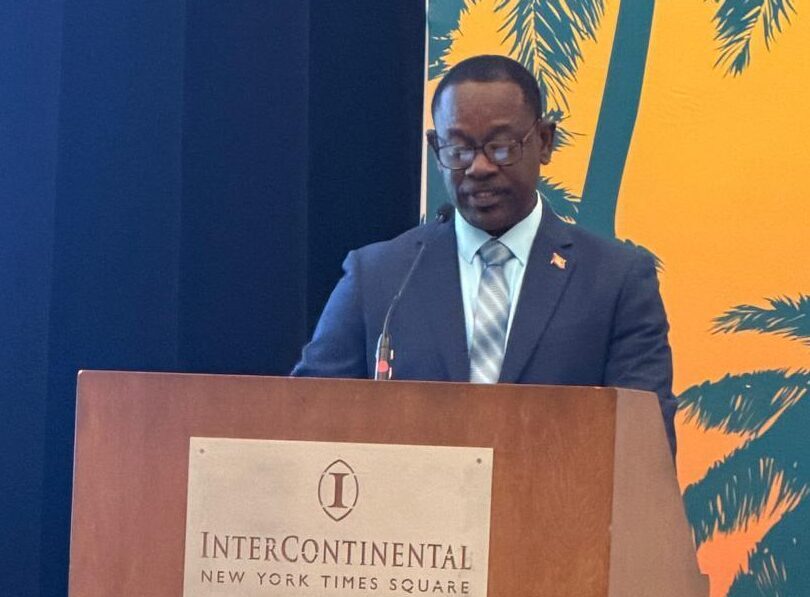
His Lordship the Hon. Mr Mario Michel, Chief Justice (Ag), in his message said that during the year under review, the court also undertook several initiatives geared toward justice reform. One such initiative is the Revised Criminal Procedure Rules, which have been circulated by the Court’s Criminal Proceedings Rules Committee for public consultation. “It is expected that these revised rules will improve the efficiency of criminal justice procedures and further safeguard the rights of all parties to criminal proceedings.” He explained that the feedback anticipated from stakeholders, including legal professionals, judicial officers, law enforcement agencies and civil society organisations, will be a key factor in ensuring that these rules are beneficial to the varying legislative frameworks of all the Member States and Territories.