





by John Angus Martin, and the Emancipation Day Committee
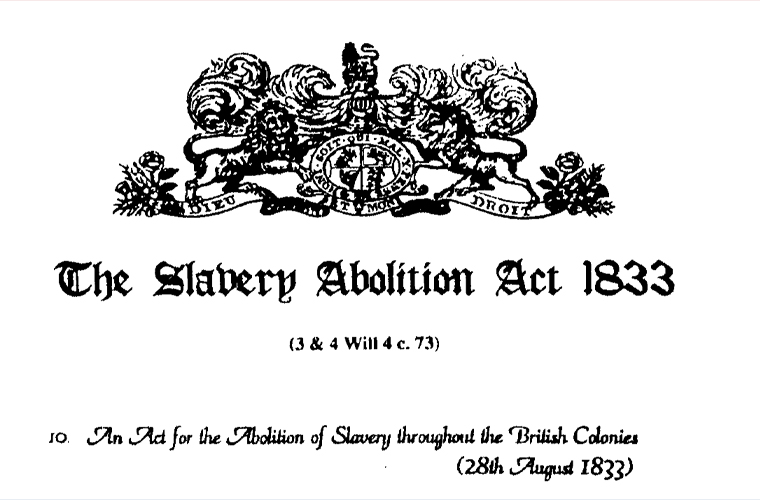
Did you know? The Imperial Act of Emancipation was issued on 28 August 1833, providing for the gradual emancipation of slavery in the British Empire. The Grenada Legislature passed its version in March 1834.
- On the eve of Emancipation in 1834, there were 23,600 enslaved in Grenada, Carriacou and Petite Martinique working on 430 slave plantations
- Dumfries estate in Carriacou had the most enslaved among the 3 islands: 437, and the largest estate in Grenada at Emancipation was Grand Anse with 1,237 acres, but only 134 enslaved
- For the 23,600 enslaved to be freed, the British government paid Grenada slaveowners about £616,255 (£67,106,453 in today’s money)
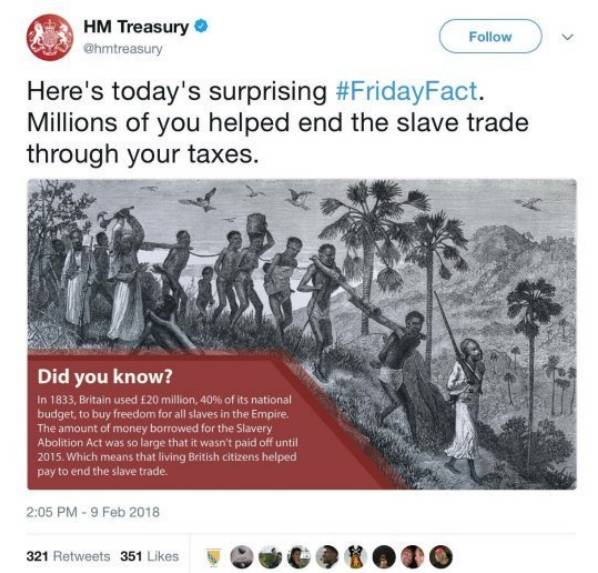
- Once freed, ex-enslaved were expected to work for 6 more years for “field slaves” and 4 more years for all others as “Apprentices” to their former owners
- 3,747 children under the age of 6 years were immediately made free on Emancipation Day, and did not have to serve as apprentices
- The Apprenticeship period, supposedly meant to prepare the ex-enslaved for complete freedom, ended when all apprenticeships ended on 1 August 1838, with complete freedom from forced servitude

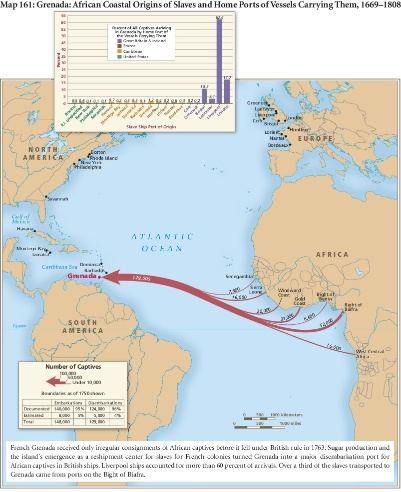
Did you know? At least 129,000 captive Africans arrived on the Carenage between 1709 and 1808 during the Transatlantic Slave Trade, with 19,000 having died in the Middle Passage.
- The last Africans to arrive in Grenada was in 1863, when 120 recaptive/liberated Africans came as indentured labourers aboard the Barbara Campbell from St Helena
- About 13,000 (13% of the total) captive Africans brought to Grenada during the Transatlantic Slave Trade came from the Windward Coast
Did you know? Most of the last/family names in Grenada came from the first names of male enslaved and not the family names of slaveowners. See Marking an ‘X’: Exploring the History of Grenada’s Surnames.
- The ancestral celebration of Saraka in villages like La Poterie, St Andrew, and River Sallee, St Patrick, was brought by the last Africans who arrived as indentured labourers after slavery ended
- The Big Drum or African Nation Dance in Carriacou celebrates the ancestors of 9 West African nations, including the Kromanti (Akan), Congo, Ibo, Mandinka, Moko, Temne and Arada
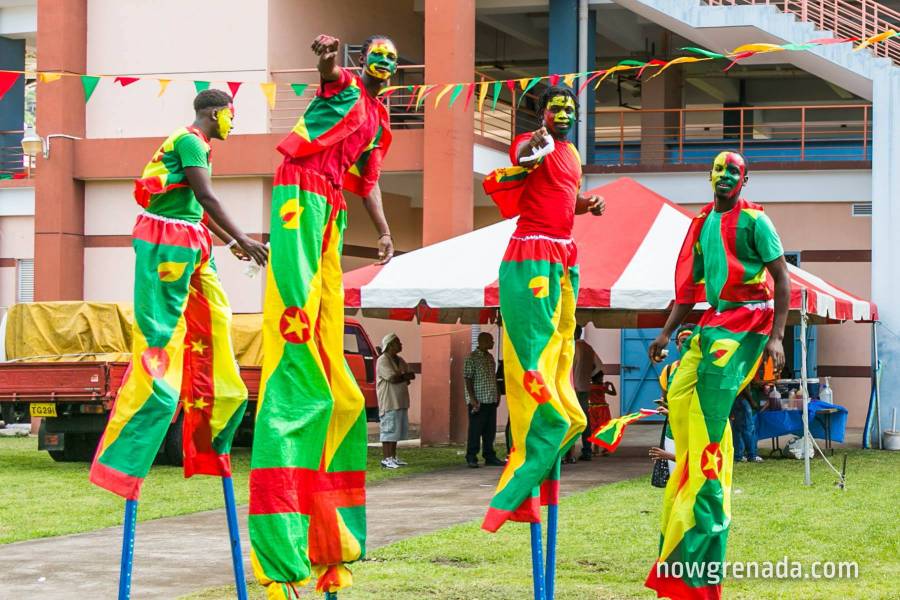
- The art of stilt-walking, reimagined in the Caribbean in its many forms as the traditional masquerade Moko Jumbie, was initially brought here by captive Africans from across West Africa
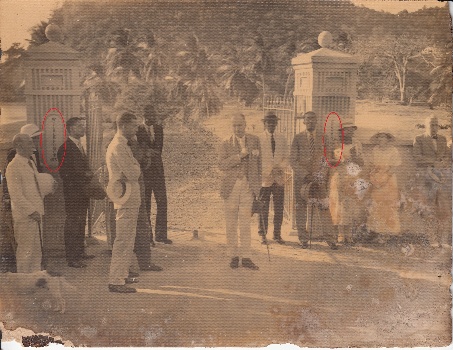
Did you know? In 1933, at the bottom of St George’s Cemetery, 2 pillars were erected to commemorate William Wilberforce, a leader of the movement to abolish the Atlantic slave trade. That cemetery has since been known as Wilberforce Cemetery.
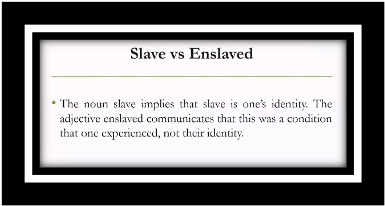
Did you know? There is a preference to refer to captive Africans as “enslaved” and not “slaves” as the latter implies an inherent condition rather than an action that was forced upon them by someone else, in this case, European enslavers.