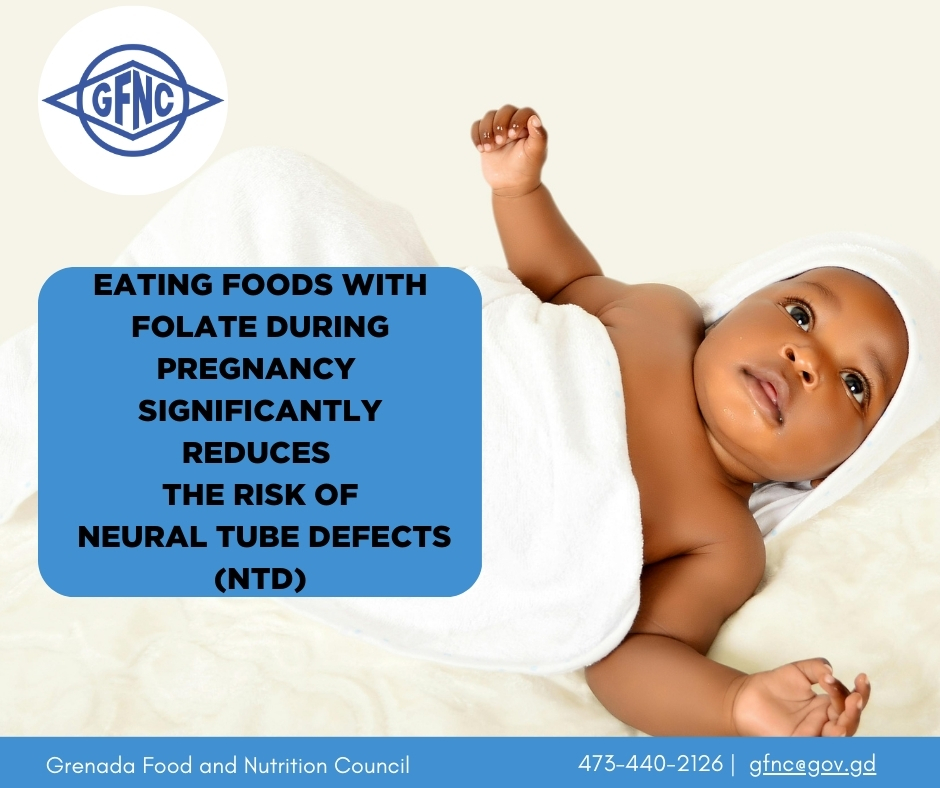















Folate also known as vitamin B9, is a vital nutrient for expecting mothers.
This water-soluble vitamin plays a critical role in supporting healthy foetal development, particularly in preventing neural tube defects during early pregnancy. However, many people may not realise the link between a lack of folate-rich foods in a pregnant mother’s diet and potential complications for a developing baby.
According to PubMed Folate and Neural Tube Defects: The Role of Supplements and Food Fortification, getting enough folate during pregnancy significantly reduces the risk of Neural Tube Defects (NTD). These defects can lead to conditions like spina bifida, a condition that affects the spine, and other challenges, such as weak or paralysed legs, loss of feeling, bladder and bowel issues, bone problems like clubfoot or hip dislocation, and brain-related conditions that may require medical interventions to drain fluid. To minimise these risks, experts recommend that mothers prioritise folate-rich foods throughout their pregnancy, particularly during the first trimester.
The National Institute of Health provides a list of over 30 folate-rich foods along with their daily Dietary Folate Equivalent (DFE) per serving. Foods with the highest DFE include beef liver, spinach, black-eyed peas, fortified breakfast cereals, rice, asparagus, spinach, kale, enriched spaghetti, romaine lettuce, avocado, callaloo (a local variety of spinach), and broccoli.
By prioritising these foods, you’re taking proactive steps toward a healthy pregnancy. Visit our YouTube channel to gain other helpful health tips, visit our website or call us at 473-440-2126.
GFNC