






by Curlan Campbell
- Grenada’s reliance on imported diesel is 98.92%
- Electricity price among world’s highest, at approximately 90¢ per kilowatt-hour
- In 2008, NNP administration granted GPG exploratory rights over 11 blocks
- In 2024, Oceangate and Russian GPG reportedly agree to explore 7,500 square kilometres of Grenada’s offshore zones
In its recent energy policy changes, Grenada has prioritised a move toward renewable energy. This shift included drafting the 2023–2035 National Energy Policy (NEP) to lessen reliance on foreign fossil fuels and promote a sustainable, reliable mix of renewable energy sources.
A key element of this policy is creating comprehensive legislation to encourage the successful exploration and sustainable development of commercial oil and gas discoveries. This key piece of the policy is expected to come into play as news of Nigeria’s Oceangate Oil and Gas Engineering company announcing its intention to collaborate with Global Petroleum Group (GPG) to develop oil and gas reserves off the coast of Grenada. However, there exists a concerning level of ambiguity surrounding this new deal, especially as news of such exploration came from Nigeria’s Oceangate Oil and Gas Engineering company and not the present National Democratic Congress (NDC) administration.
To fully understand the ambiguity surrounding this deal, we need to revisit 31 March 2008. On that date, the previous New National Party (NNP) administration issued an exploration licence to GPG, granting them exploratory rights over 11 blocks.
This decision faced heavy criticism from the NDC administration, which took office in July of the same year. The NDC alleged that the NNP government did not adhere to provisions outlined in the Petroleum and Natural Gas Deposits Act, nor did they comply with the Natural Gas Deposits Regulations, SRO No. 14 of 2007.
However, after losing the 2013 general election to the NNP administration, the nation was informed that plans were underway to continue with the agreement signed with GPG.
Little was mentioned until 2017, when news from several sources, including a later report from the Energy Chamber of Trinidad & Tobago on 24 November 2017, revealed that GPG, a Russian company, had discovered oil in Grenada’s waters. This discovery occurred while drilling the Nutmeg 2 well in relatively shallow water, at 180 metres.
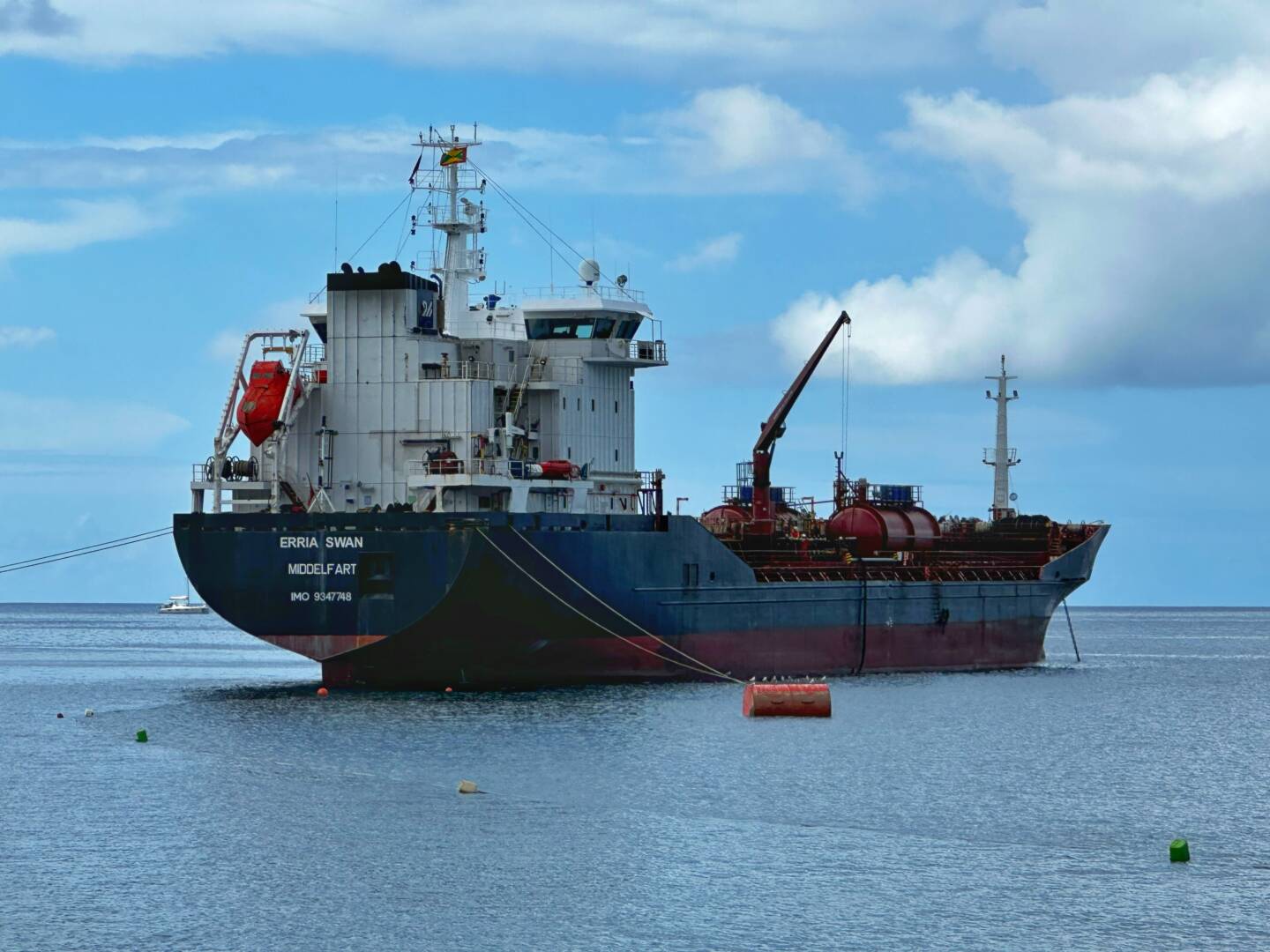
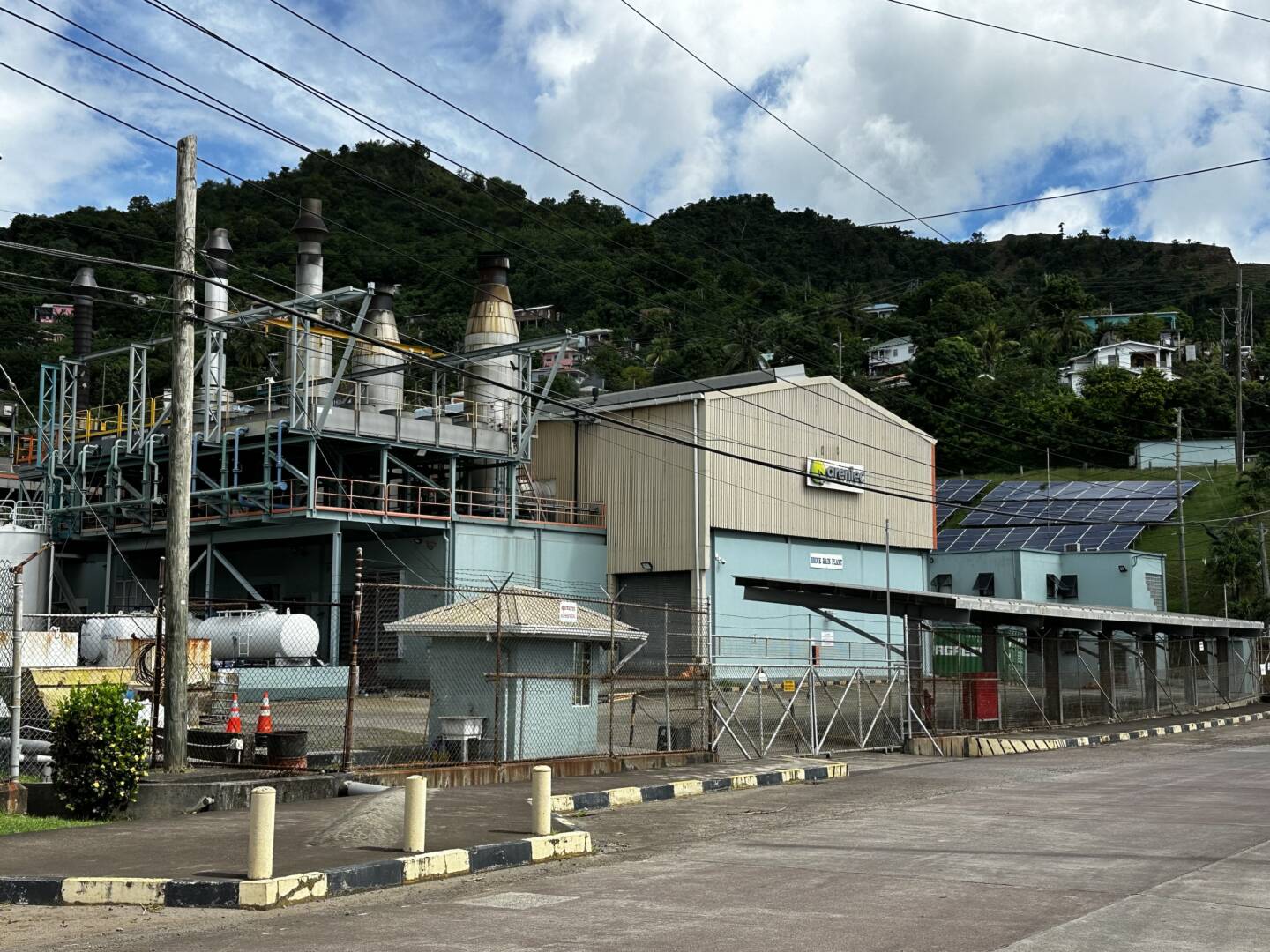
Earlier in July, the Hydrocarbon Exploration Incentives Act was passed in parliament by the NNP government to attract foreign investment by offering tax breaks and other exemptions for hydrocarbon exploration-related businesses and research. However, the investment initiatives outlined in the act have not led to significant activity since completing the Nutmeg 2 well. Another major shift occurred in Grenada’s energy sector in 2020 when the NNP government bought back Grenada Electricity Services Limited (Grenlec) from WRB Enterprises for $63 million. The impetus behind this decision was the creation of a competitive energy sector, leading to increased investment in renewable energy and lower electricity prices for consumers. Grenada’s high reliance on imported diesel (98.92%) keeps its electricity price among the world’s highest, at approximately EC$0.90 (approximately US$0.33) per kilowatt-hour.
The NNP administration lost the general election to the NDC in 2022, led by Dickon Mitchell, who has since challenged the previous administration to release documentation revealing the deal made with GPG. There was some back-and-forth between Prime Minister Dickon Mitchell and former NNP Energy Minister Gregory Bowen regarding the location of documents related to Grenada’s oil and gas reserves. At a zonal meeting of the New National Party (NNP), Bowen stated that the files were not missing and that he had personally informed Prime Minister Mitchell about their whereabouts.
However, the nation was again taken aback when news agencies in Nigeria reported on 26 October 2024 that Oceangate Oil and Gas Engineering Company from Nigeria had entered into a 38-year production-sharing agreement with the GPG to explore approximately 7,500 square kilometres of Grenada’s offshore zones.

The news emerged weeks after Prime Minister Dickon Mitchell met with Aliko Dangote, the Founder and CEO of Dangote Group in Nigeria. During his visit, he toured the Dangote Refinery project, which is currently under construction in the Lekki Free Zone near Lagos. This refinery is expected to become Africa’s largest oil refinery and the world’s biggest single-train facility. Mitchell also visited the Dangote Fertiliser Plant.
During a press briefing in November 2024, local journalists asked the present government to comment on this news, and PM Mitchell stated: “I cannot speak to it because if you read the article, you will see that nowhere in it, it speaks about the Government of Grenada; I can’t speak. I have seen the article just like yourself; I am not in a position to speak on the matter.”
The prime minister announced that the Hydrocarbons Technical Working Group, led by former Finance Minister Nazim Burke, was tasked with delivering a comprehensive report on the technical and economic feasibility of developing Grenada’s hydrocarbon reserves. The report, which was expected to be made public by the end of November 2024, has not been released as of the publication date of this article.
According to Prime Minister Mitchell, the committee has been diligently investigating the nation’s contractual and legal commitments concerning hydrocarbons and the GPG exploration licence granted under the previous NNP administration. “I have had one meeting with a representative of GPG, since that time and we have engaged GPG to try and understand and to get a full picture of where we are,” said Prime Minister Mitchell.
While major players in business have touted that Grenada’s economy is anticipated to receive a significant boost from this partnership, not everyone has approved this new deal.

Joseph Antoine, the President of Friends of the Earth Grenada, a grassroots environmental organisation, opposes oil and gas exploration, arguing that the environmental risks associated with such activities far outweigh any potential financial benefits.
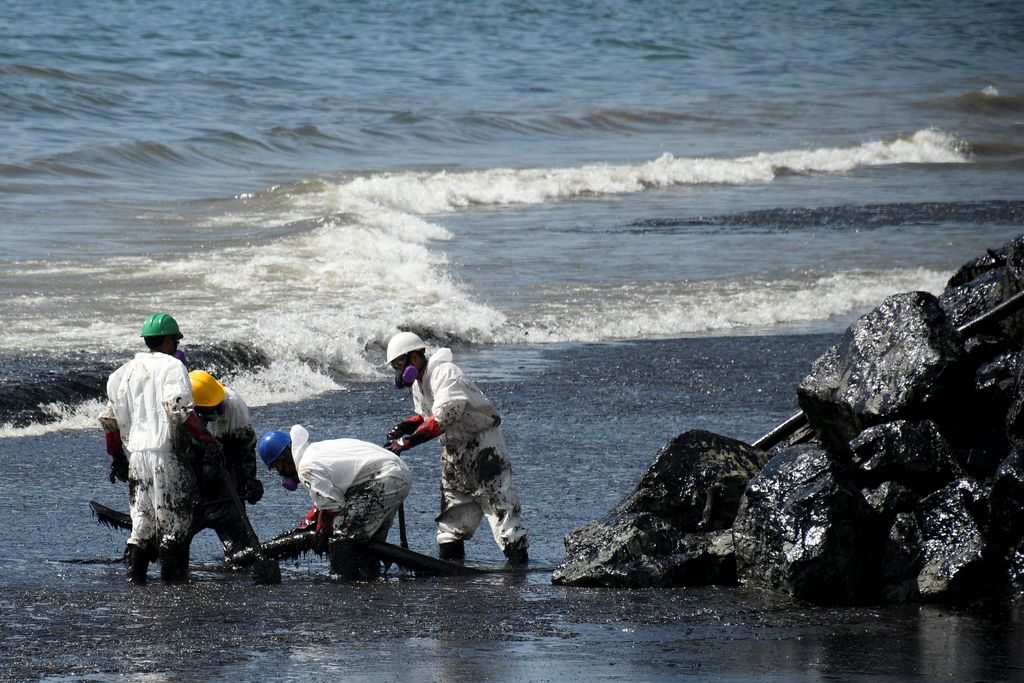
Antoine pointed to the significant oil spill that occurred on 7 February 2024 off the coast of Tobago as an example. The spill originated from a capsized barge that became lodged on a reef about 150 metres (500 feet) from Tobago’s southern coast. The leaked oil spread hundreds of miles, reaching as far as Bonaire, a Caribbean island located 50 miles (80 kilometres) north of the Venezuelan coast. “Regardless of the administration, Friends of the Earth Grenada vehemently opposed any effort to interfere with the hydrocarbon reserves. It’s too risky,” said Antoine.
While Antoine understands that small island states that have invested in oil exploration cannot just vacate the industry completely in a short space of time, he has suggested a gradual phase-out of oil production while maintaining energy supply through public, socially owned systems. “What we would like to see is cooperation among the existing countries that are involved in the oil business. It would be beneficial for them to improve their operations and take steps to clean up their practices. In doing so, they could continue to provide a certain level of energy comfort for people while gradually moving away from the current capitalist approach to production. The goal would be to transition towards public, socially owned models of ownership rather than state ownership,” he explained.
Most recently, in November, at COP29 in Baku, Azerbaijan, Caribbean nations continued their persistent calls on developed countries to meet their commitments to reduce emissions and provide funding for climate initiatives that address the impacts of rising temperatures, which lead to an increase in extreme weather events and more intense, frequent storms.
At COP29, Hon. Kerryne James, Minister for Climate Resilience, the Environment, and Renewable Energy, signed a Memorandum of Understanding (MoU) aimed at diversifying the renewable energy sector. This agreement facilitates the development of a wave energy pilot project in collaboration with Seabased Ltd and SIDS DOCK.
Grenada is set to receive financial support from the UK Government of £10 million to support Grenada’s Geothermal Energy Development Project. Baroness Jenny Chapman, the UK Minister for Latin America and the Caribbean, announced the funding package during her recent meeting with Prime Minister Mitchell. This development is also a matter of significant concern for Friends of the Earth Grenada, which opposes geothermal energy.
Grenlec currently sources approximately 0.93% of its energy from renewable sources. But as Grenada’s Prime Minister and former Caricom Chair pledges to advocate for climate justice, does the administration’s decision to proceed with plans for oil exploration contradict its moral stance on climate change?
If Grenada decides to pursue oil and gas exploration, it, along with other Small Island Developing States (SIDS) that take similar actions, will contribute to the environmental challenges associated with fossil fuel emissions, said Antoine. He believes that this situation is particularly concerning for island nations, which are already facing the impacts of rising temperatures, leading to more extreme weather patterns and an increase in the frequency and intensity of storms. Antoine continues to advocate for renewable energy sources such as solar to reduce energy costs for citizens.
To gain a clearer understanding of this issue, an email was sent to Prime Minister Mitchell’s Press Secretary, Neila Ettienne, on 9 December 2024. As part of our investigation, we sought clarification on several key questions, particularly regarding the pros and cons of the exploration. Questions that were raised included whether a programmatic environmental impact study was conducted as part of the new oil and gas exploration agreement. If so, what are the key findings and recommendations from this study? Another question was whether Grenada secured the best possible deal during the negotiation phase of its oil and gas agreement.
Furthermore, considering the economic phenomenon known as Dutch Disease, we also raised the question of whether the administration evaluated the potential negative impacts that the oil and gas industry could have on other sectors of Grenada’s economy and its natural environment. This evaluation is crucial in determining whether the exploration is worth the potential environmental risks. Additionally, we asked the question of whether oil and gas exploration would lead to more affordable energy options for low-income households. The press secretary confirmed receipt of the email and promised a prompt reply. However, an official response from the government has not been forthcoming as of the date of this publication.
Meanwhile, Dr Aisha Achimugu, Group CEO of Oceangate, stated that the deal valued at $1.8 billion has the potential to reach as much as $8 billion as the companies work to develop Grenada’s significant hydrocarbon reserves. She was also quoted as saying, “This initiative reflects Oceangate’s commitment to investing in sustainable energy solutions that support economic growth while meeting environmental standards. We view this project as a stepping stone for future economic partnerships between Africa and the Caribbean.”
An inquiry regarding Grenada’s oil and gas exploration was sent to the email address provided on Oceangate Oil and Gas Engineering Company’s website, seeking further information, specifically how Oceangate plans to develop Grenada’s significant hydrocarbon reserves. As part of the agreement with GPG, questions were raised regarding the amount of funding the company is allocating for the new venture as well as the plans and timelines for starting exploration work in Grenada. Specifically, inquiries into the agreement included the annual volume of oil and gas currently refined by the company and the amount of oil that needs to be extracted to recover the investment and meet their yearly demands.
Considering the ethical implications of oil and gas exploration and production — particularly in terms of environmental impact and community engagement — we asked how the company intends to address the potential hazards associated with these activities. This concern is especially important for SIDS, which are already vulnerable to the effects of climate change. Oceangate Oil and Gas Engineering Company has yet to respond to our request for an interview.
While the details of Grenada’s oil and gas deal remain unclear, the country’s energy sector is at a crossroads, with the fate of the environment hanging in the balance.






“Commercial oil and gas resources” are not renewable energy.