








Grenada has boldly advocated for climate reparations during its presentation at the International Court of Justice (ICJ) Advisory Opinion Hearing on Climate Change.
This historic session convenes the ICJ, the United Nations’ highest judicial body, to address the legal responsibilities of nations in mitigating the effects of climate change and protecting the environment from harmful greenhouse gas emissions.
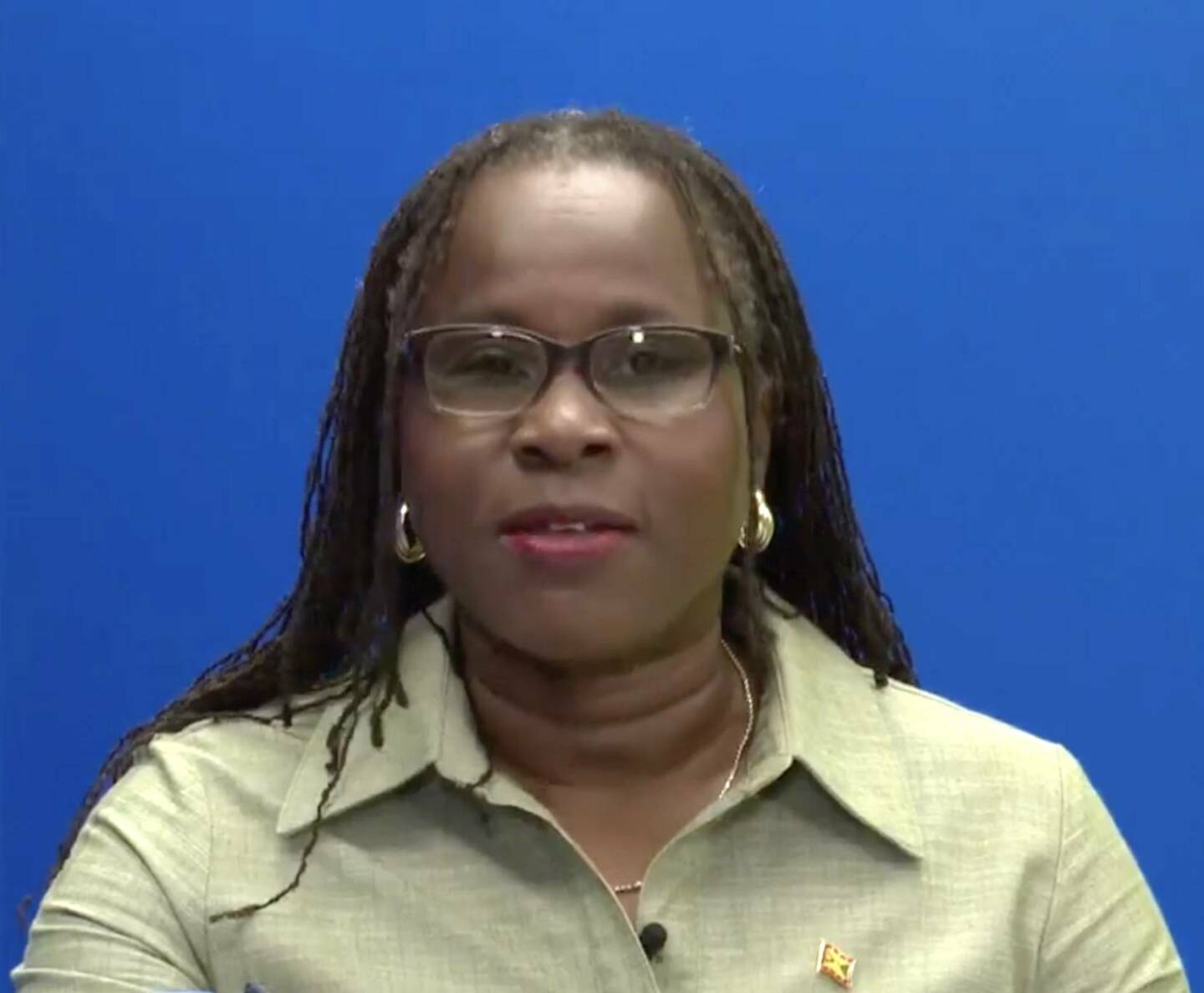
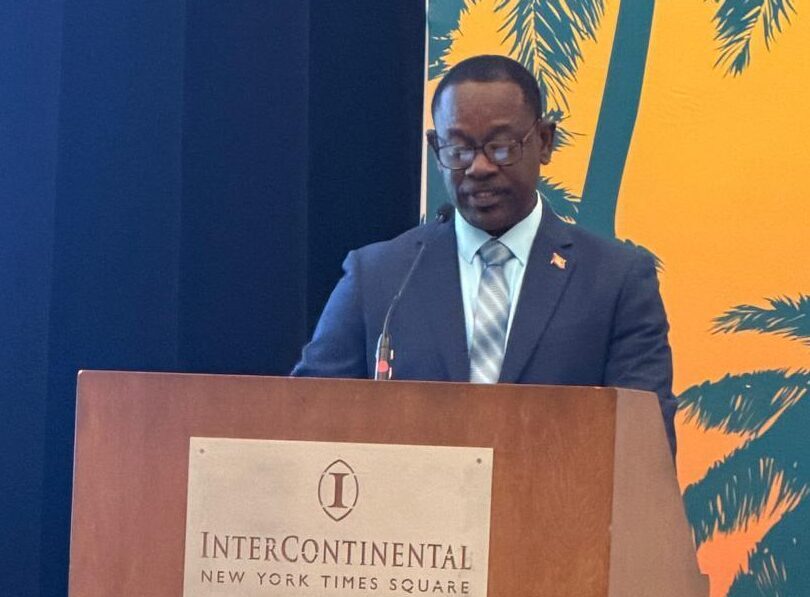
Representing Grenada, Prime Minister Hon. Dickon Mitchell delivered a pre-recorded address, highlighting the devastating impact of extreme weather events, rising sea levels, and flooding on small island developing states (SIDS). His address called for tangible support, including debt restructuring, improved access to climate funds, and contributions to the Loss and Damage Fund.
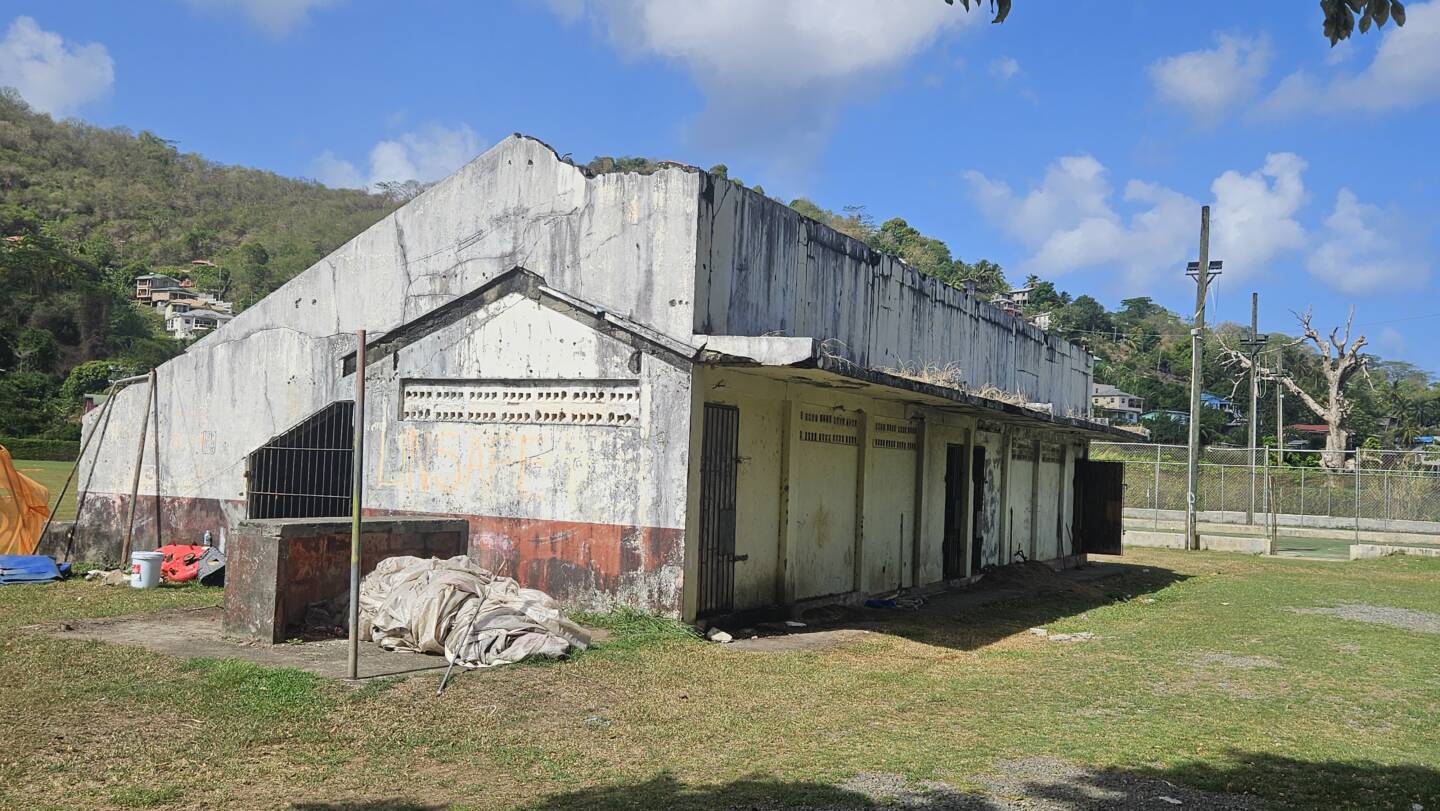
“We face the vicious cycle of rebuilding after every disaster, which places immense strain on our people and resources,” Prime Minister Mitchell emphasised.
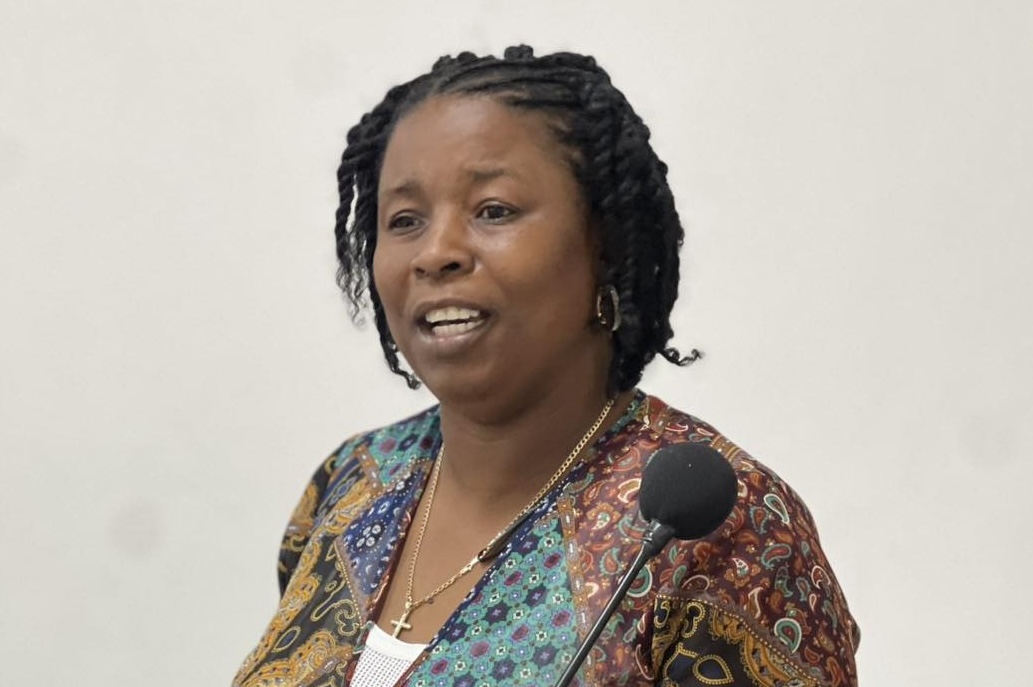
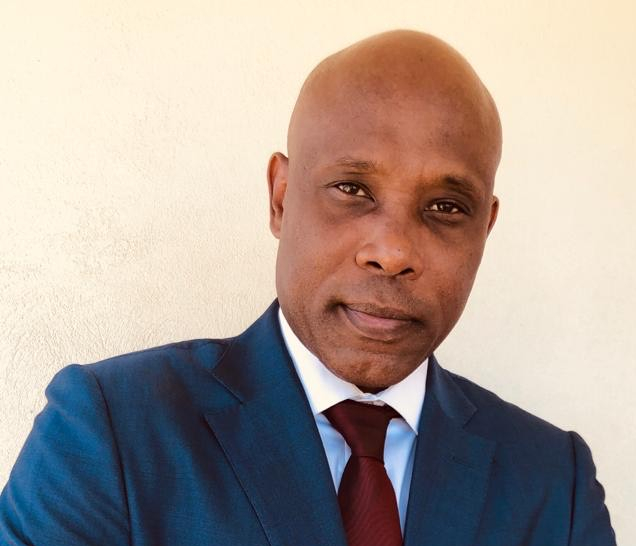
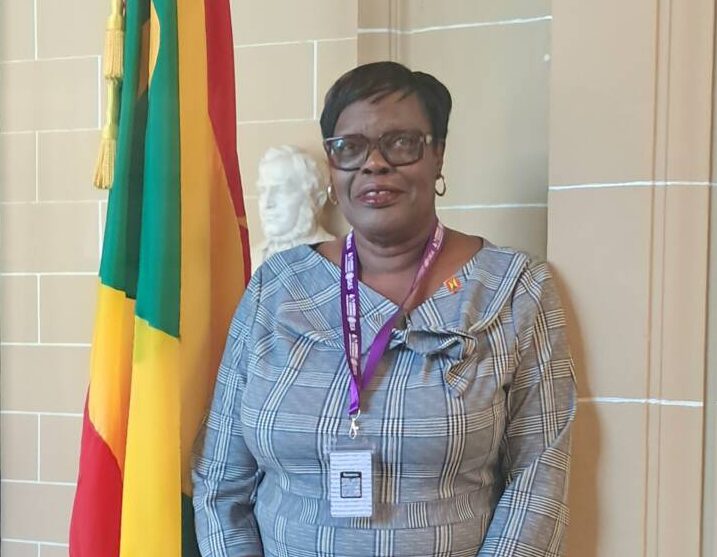
Grenada’s delegation to The Hague, led by Attorney General Senator the Hon. Claudette Joseph, included Crown Counsel Rae Thomas, Dr Justin Sobian — one of the lead presenters — and Ambassador Raphael Joseph, Grenada’s representative to Brussels.
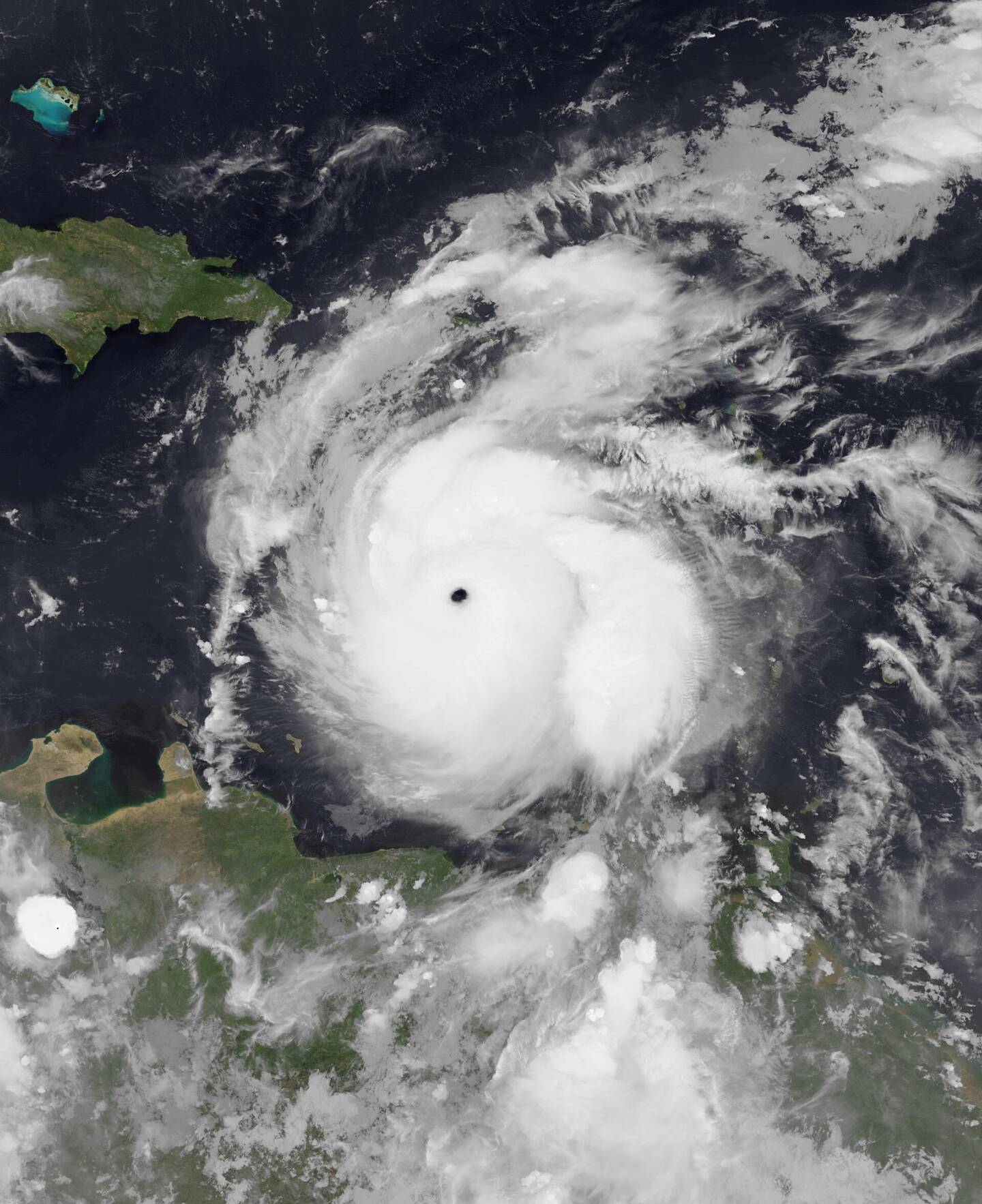
In her address to the ICJ, Senator Joseph underscored the disproportionate burden faced by SIDS, which contributes minimally to global greenhouse gas emissions yet bears the brunt of climate-related disasters. She presented data linking the intensification of hurricanes in the Northern Atlantic to global warming and recounted the record-breaking impact of Hurricane Beryl as an example of the challenges faced by Grenada and other small islands.
“Grenada contributes only 0.01% of global emissions, yet we are on the frontlines of the climate crisis. How can this disparity be allowed to continue?” Senator Joseph asked.
Grenada joined over 100 nations in urging the ICJ to issue a legal framework that will hold major emitters accountable for their contributions to global warming. While the ICJ’s advisory opinions are non-binding, they carry significant legal and political weight, shaping international discourse on environmental protection and climate justice.
The hearings, which began on 1 December, will conclude on 13 December, with the ICJ’s advisory opinion expected in the coming months.
Ministry of Climate Resilience, the Environment, and Renewable Energy