








by Dr John N Telesford
It is simply coincidental, that the severe flooding events that occurred in Grenada during the last 2 weeks (beginning around 9 November ) coincided with the COP29 meeting which commenced on 11 November.
As our World Leaders continue to “negotiate the climate to not change,” the reality on the global and local scenes, is that extreme and frequent climate-related weather events are becoming more impactful.
Without dwelling on the Spanish and other global events, right here in Grenada, we witnessed Hurricane Beryl at the very beginning of the 2024 Hurricane season. Prior to and post Beryl, we witnessed continued high outside (ambient) temperatures, with frequent heat wave warnings issued by our Met Office. And now, during the COP meeting spanning 2 weeks in November 2024, extremely heavy rains affected almost every part of the island.
I wish to point out that the impacts experienced by the heavy rainfalls have a lot to do with poor infrastructure development partners, especially in the areas of St George’s. I also note that there were no significant coastal impacts, save the western corridor, where internal landslides occurred. We should wait with bated breath for the impacts from high rising sea levels on our coasts in the not-too-distant future.
However, let me attempt to substantiate why I said that poor development partners caused extreme flooding from these rainfall events. Take Grenville town for example, after heavy constant rain for about 2 hours on Sunday night (17 November), many stores remained closed the next day. Grenville has always been a flood-prone area and will maybe flood from one drop of rain. However, so far, no Government implemented any action to solve it. Instead, we have seen drains being narrowed and diverted. Additionally, new buildings are constructed on the hillsides sending gallons of rainwater into the town that is not prepared to deal with these large quantities of water. Similar issues obtain in the Tanteen, River Road and Grand Anse areas.
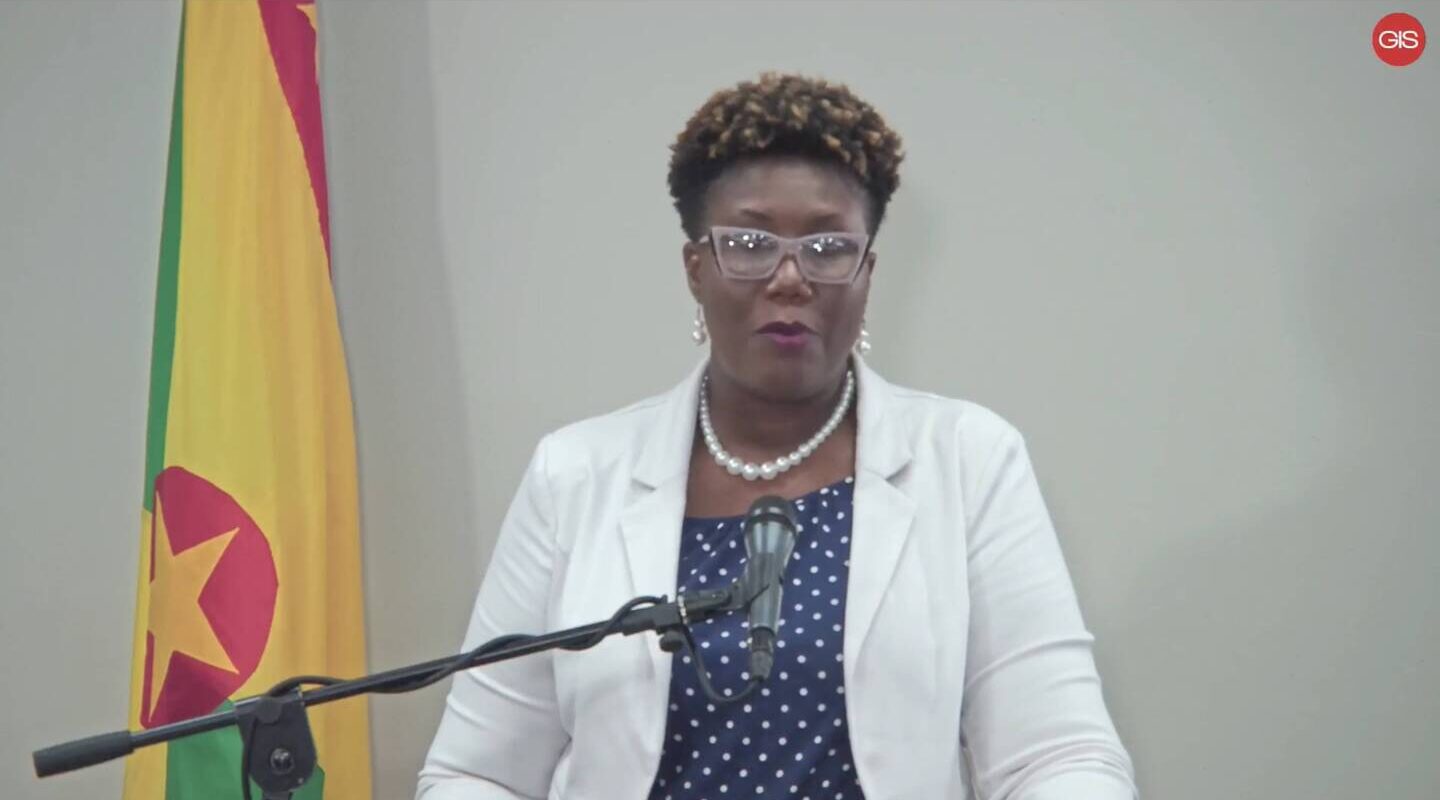
As I wrote this article (21 November 2024), a summarised press conference held by the GoG was uploaded to the NowGrenada news platform. In there, the CTO in the Ministry of Infrastructure, etc, succinctly captured the grave issue by pointing out that “Due to the increasing number of impervious surfaces (surfaces that cannot be penetrated by water) being constructed — such as paved driveways — many homeowners (and other developers) are redirecting their downspouts into roadside drains and directly into the rivers. This practice significantly increases the volume of water that flows downstream into St John River,” or even into the [TAMCC] college at Tanteen, Lagoon Road and the hotel belt in Grand Anse.
In that same release, the Prime Minister made an interesting observation, when he said: “I’ll be honest with you, in light of what I’ve seen, I don’t know that merely having 2 new bridges and repaving roads is going to address the flooding that we are facing at River Road, and I don’t know that building a 200-foot wall, or 10-foot well, will address it.”
Both gentlemen are pointing towards upstream and downstream actions, which are both needed in all the affected areas and more. These actions are required to begin adapting to our changing climate. But we are aware that in systems thinking, prevention is better than cure or a stitch in time saves nine. To illustrate in a short story: “Many people were falling off a high waterfall into the river below; immediately people were jumping into the river attempting to save them after the fall. But one individual started to make his way to the top of the waterfall when another individual asked why he was going to the top of the waterfall when he was needed in the river to save the falling people. He replied I am going up to the top of the waterfall to attempt to prevent more people from falling,”
Therefore, when our climate-smart thinkers return from COP meetings, we must bring climate-smart thinking and action to the ground. In this regard, systems thinking that addresses preventive adaptation must become a priority. Thus far, we use all the fancy trimmings and groan about climate impacts on our small islands at COP. However, we return to continue infrastructure development in a manner that appears to go against what we say. We cry out for adaptation financing, but how we adapt on the ground is where the rubber meets the road. As we parents and grandparents used to say, the proof of the pudding is in the eating.
Our people are the ones who will feel the brunt of climate change impacts and even more so, the most financially and otherwise vulnerable ones. These are the people downstream River Road and the hundreds of students nationwide who miss out on classes due to flooding impacts at their college. Most of these people do not have a voice at COP, although the COP team claims that this is so. That being as it may, these people will continue to feel the brunt of the pressures from flooding events and the impacts of sea level rise, heatwaves and related health issues, which will become more prevalent and severe.
Therefore, our planners, leaders, technocrats and talkers at COP must put their shoulder to the wheel on the ground. Upstream adaptation action is needed NOW. What we need here in Grenada is climate-smart action on the ground!





River road is located in what can be described as a gorge consisting of high hill on both sides as well as the joining of three rivers around the area of Tempe roundabout. From just beyond the Tempe roundabout towards the stadium the St John river narrows thereafter, the river is not wide or deep enough to cope in heavy rainfalls with the land runoffs it receives from both sides.
The flood defence measures introduced in River Road appeared not to be thought out properly. For example a high wall is built but flood runoffs from the road and the hills consisting of private housing opposite have to flow into the river because they is no drainage on the opposite side of the road and, the inlets through the wall to the river are much too small. River Road in places need to be raised. Proper drainage needs to be in place to allow runoffs from the private housing to enter the river via underground drainage to relieve flooding on the road. The river needs to be deepened and widened. Consideration should be given to diverting one of the rivers flowing into The St John’s elsewhere to reduce the pressure on the St John’s? I fully agree of what was said by others including the Prime Minister.
Sad to say, as long as we continue to indiscriminately cut down trees and plant concrete structures without any zoning plans, it is feared that the situation will only get worse. For instance, while the construction of the two stadiums and the scores of other buildings in the vicinity of River Road and Darbeau are much-needed and welcome projects, the probable absence of any environmental impact studies has resulted in the replacement of tons of porous soil with the capacity to absorb the rainfall by acres of impervious concrete pavements and zinc roofs with the obvious consequence. And the same could be said about Grand Anse, Tanteen, and elsewhere.
And yet the shoreline continues to be sold off to developers that cover Grenada in concrete, destroy natural drainage and clear cut ancient trees. The continued contradiction in what is said and done is ridiculous.