





by Curlan Campbell
- Several weeks needed to evaluate hurricane impact on forests and other ecosystems on Carriacou and Petite Martinique
- International Organisation for Migration among agencies that visited, spending 3 full days in Carriacou and one day in Petite Martinique
- Damage assessment to cover multiple sectors including forestry, crops, livestock, and fisheries
Aden Forteau, a specialist in sustainable land management working with the UNDP’s Climate Resilience and Agriculture project, anticipates that it will take several weeks to complete a thorough evaluation of Hurricane Beryl’s impact on the forests and other ecosystems on the sister islands of Carriacou and Petite Martinique.
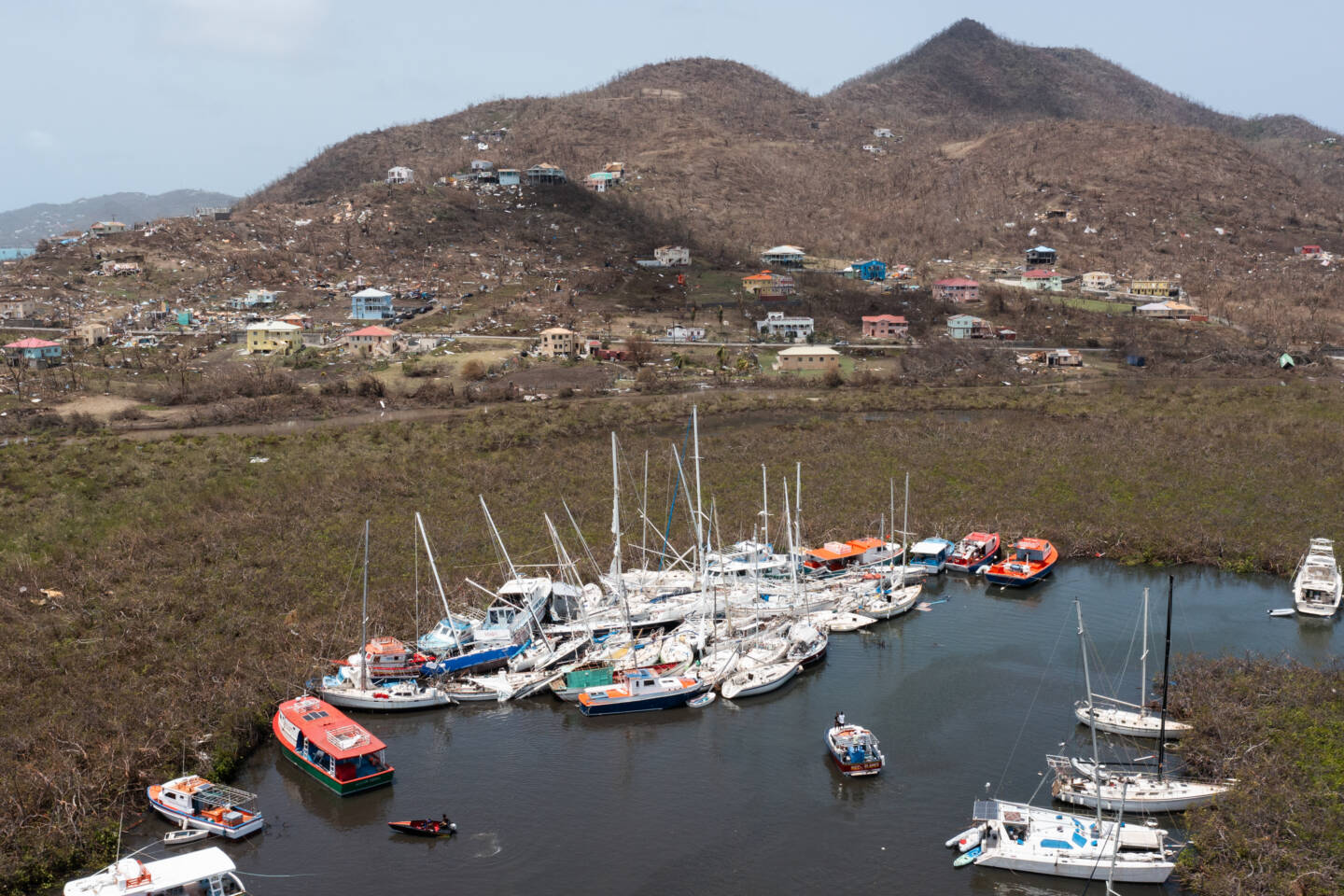
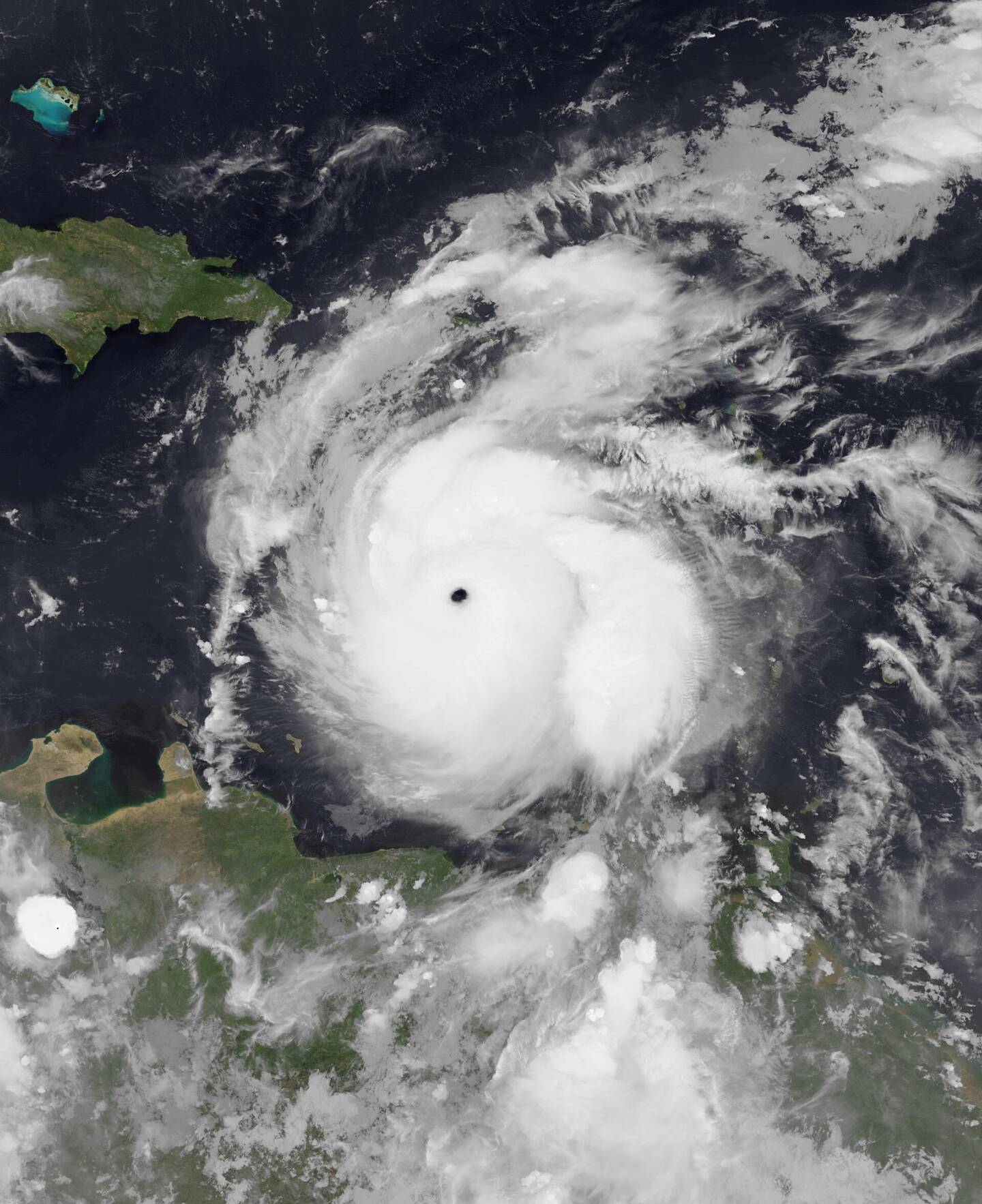
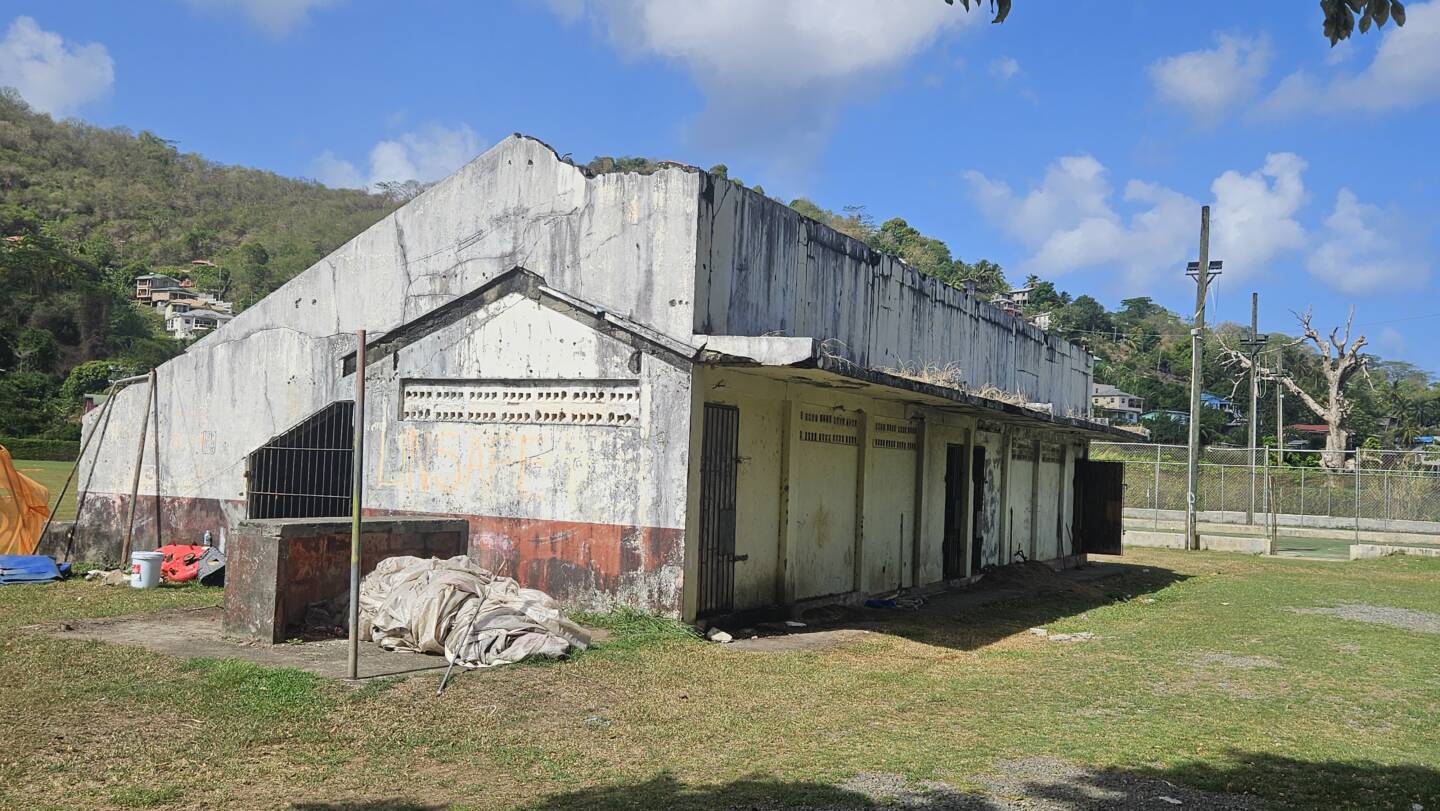
Forteau is part of the team that has been deployed to Carriacou and Petite Martinique to evaluate the aftermath of Hurricane Beryl. This powerful hurricane, with wind speeds reaching 155 mph to 160 mph, caused severe destruction to buildings, infrastructure, and telecommunications. Furthermore, it had a catastrophic impact on the islands’ forestry, resulting in the destruction of the local flora and fauna.
“It is essential for all UN agencies to provide necessary support in areas where they have the expertise. Currently, we are conducting a rapid assessment to obtain an overall picture of the nature of the damage. A full assessment will vary depending on the specific sector being assessed. For example, assessing the damage to forestry could take about 3 weeks,” Forteau stated.
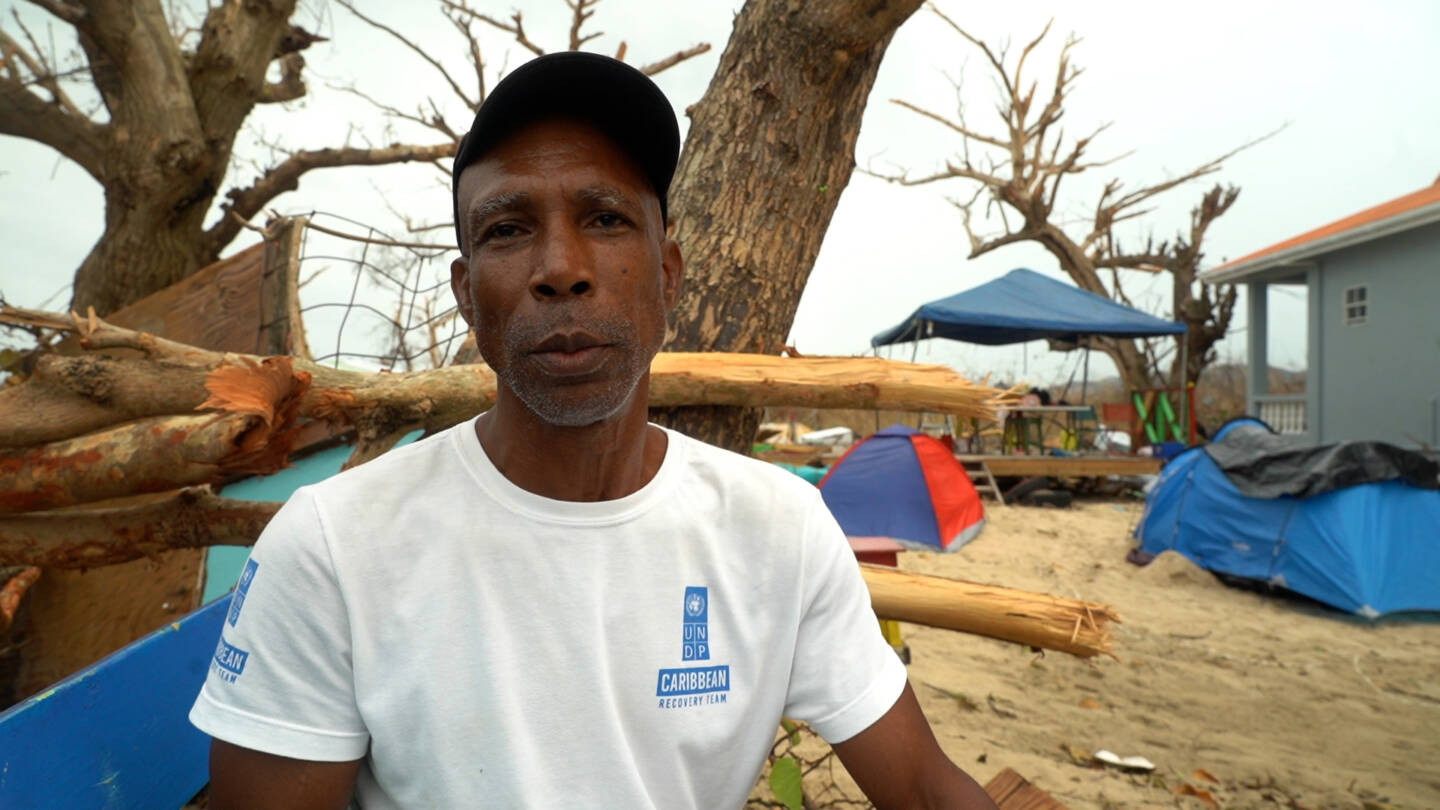
Caricom’s Disaster and Emergency Management Agency (CDEMA), along with FAO, PAHO, IOM, and UNEP, conduct ongoing assessments that are critical in determining the full magnitude of the devastation and coordinating efficient relief efforts. The International Organisation for Migration (IOM) was among the agencies that visited, spending 3 full days in Carriacou and one day in Petite Martinique on Sunday. IOM works within an inter-agency framework to support countries in protecting and assisting those affected by natural disasters through coordinated humanitarian responses. Additionally, they provide migration services to contribute to the protection of individuals in an emergency or post-crisis situation.
Now Grenada contacted Alexandra Bate, Programme Support Officer (JPO) at the IOM Coordination Office for the Caribbean, to obtain a report on their findings. However, she indicated that their findings will first have to be discussed with the government on Friday before they can be made public.
Meanwhile, Thaddeus Peters, an Agricultural Officer in the Ministry of Agriculture, stated that the assessment of the damage caused by the disaster will be an ongoing process. This assessment will encompass multiple sectors, including forestry, crops, livestock, and fisheries. He also mentioned that a post-disaster needs assessment will also be conducted to direct the recovery efforts.