














by The Grenada Food and Nutrition Council
Lutein and zeaxanthin are natural pigments known as carotenoids that are found in many foods that we eat that support the health of the eyes and also the skin.
According to the National Library of Medicine, lutein has been known to reduce “age-related macular disease, which is the leading cause of blindness and vision impairment.” Zeaxanthin, on the other hand, aids in light filtering, protecting the tissues of the eyes from sunlight damage.
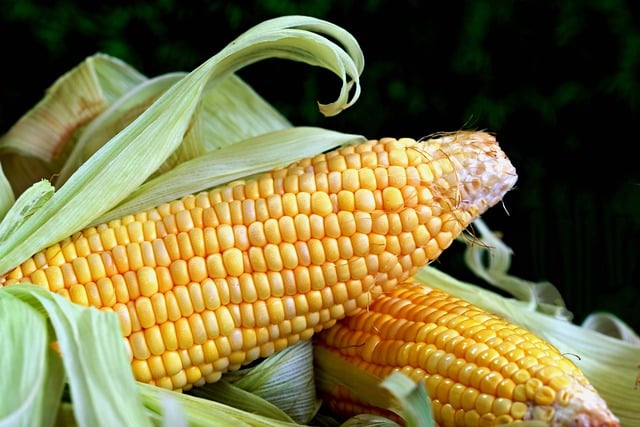
Foods that contain these properties are mainly fruits, vegetables, especially those that are yellow and orange in colour, and leafy greens. Some zeaxanthin-rich foods are eggs, oranges, corn, mango, and orange peppers. Some lutein-rich foods are callaloo, spinach, corn, and broccoli.
Other foods that are rich in these carotenoids are carrots, sweet potatoes, mangoes, papaya, cherries, ripe plantains, and avocados, which are high in beta-carotene, which is converted to Vitamin A in the body and support the health of the eyes and help it to adjust to better see in the dark. Beans and legumes contain zinc and other vitamins which helps to sharpen your vision. Seeds and nuts are also great for eye health because they are high in properties which are good for eye health such as Omega-3s and vitamin E. Foods that are high in vitamin C, such as all citrus fruits and other fruits and vegetables, should be consumed regularly as vitamin C promotes the health of the blood vessels in your eyes and can lower your risk of getting cataracts.
It is also important to regularly consume water; the daily recommendation in 11 cups for women, 15 for men and up to 9 cups for children. Follow the GFNC social media pages for more information.
GFNC