







• Latest
Safeguard Grenada’s time capsules

Safeguard Grenada’s time capsules

3 years ago
OECS Health Ministers To Develop Virus Strategy

Ebola Bundibugyo Virus Disease outbreak in Central and East Africa

5 hours ago
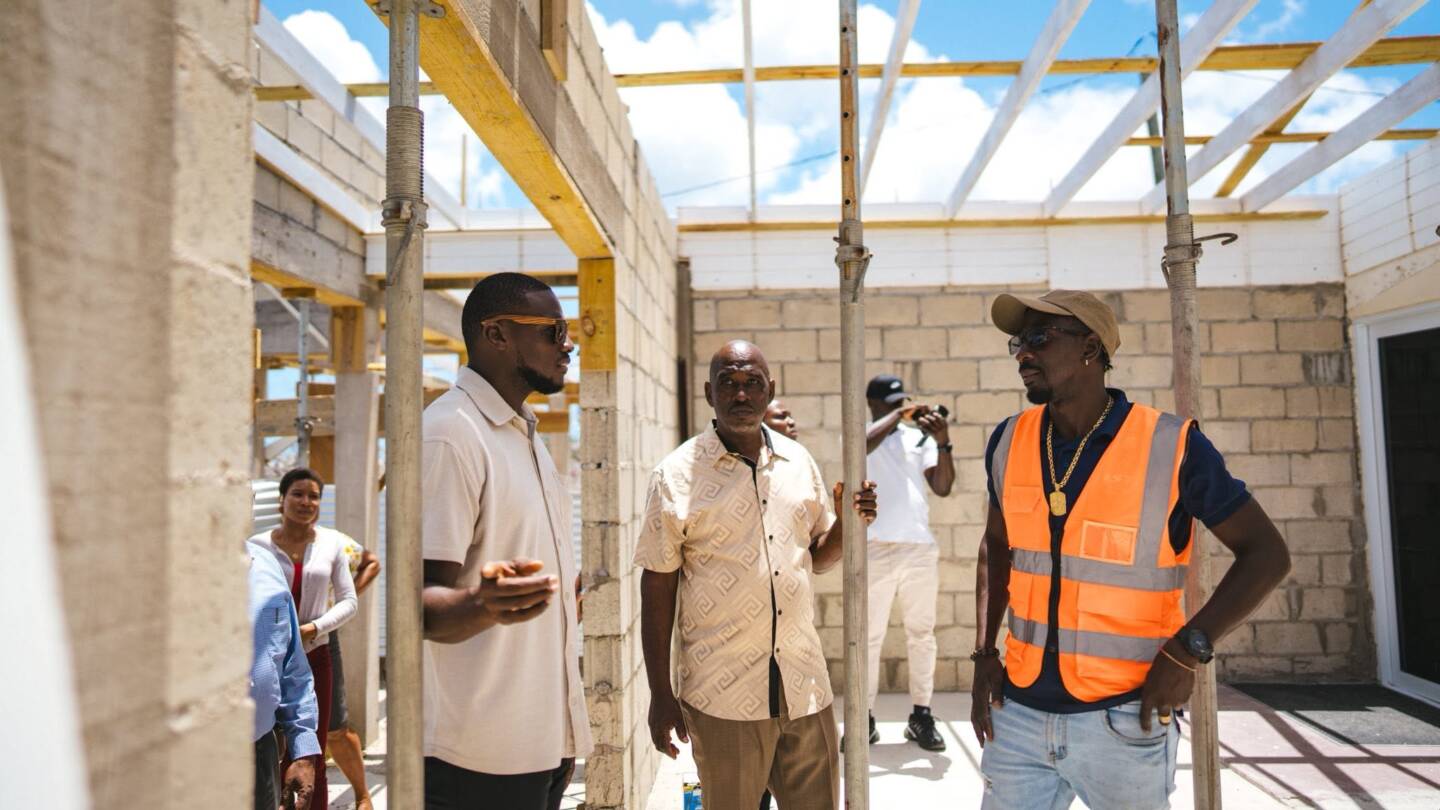
Minister Andrews tours major infrastructure projects across Carriacou

Minister Andrews tours major infrastructure projects across Carriacou

10 hours ago
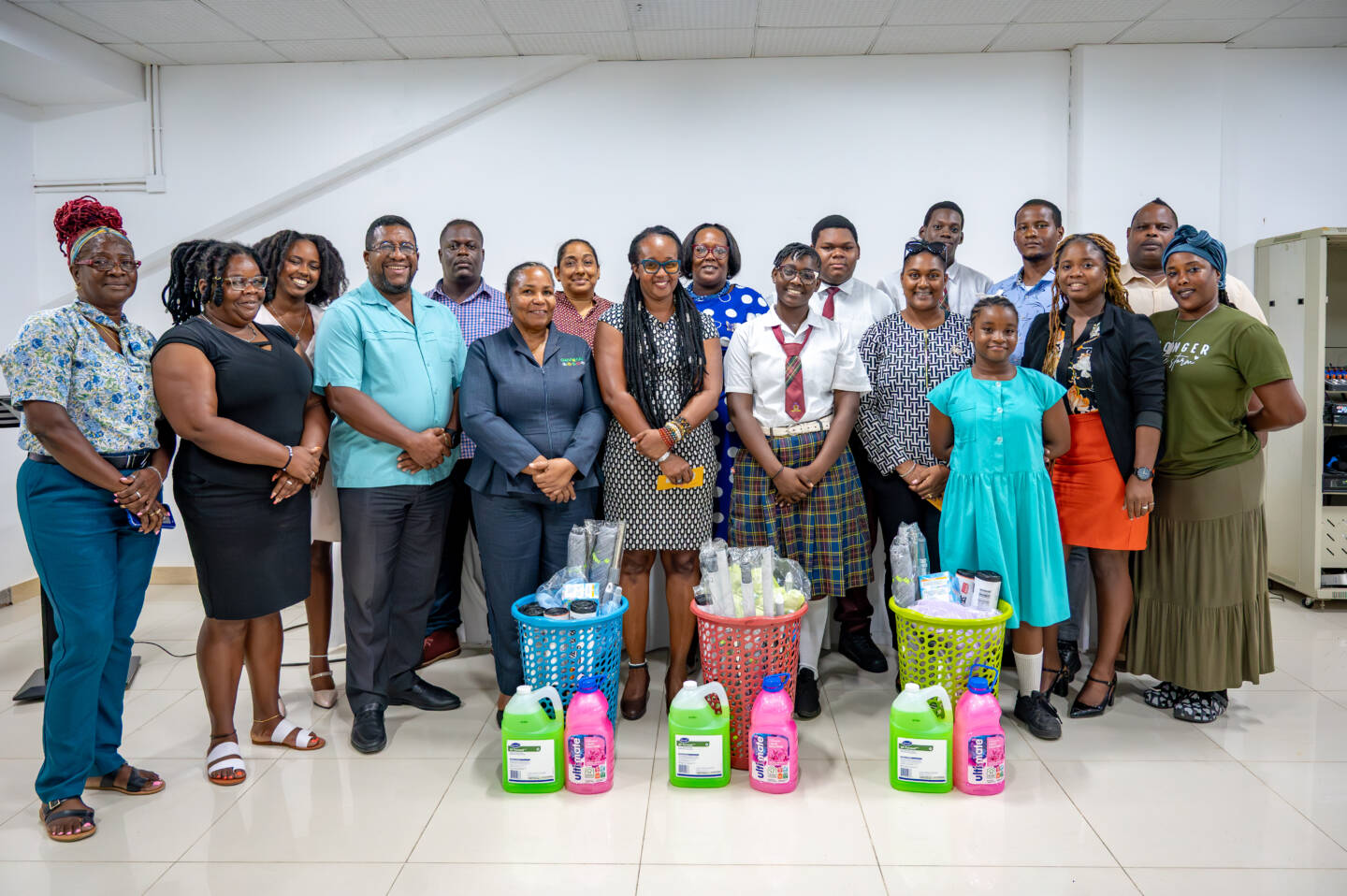
GNSA and GSWMA celebrate Blaze the Track – Smash the Trash Competition winners

GNSA and GSWMA celebrate Blaze the Track – Smash the Trash Competition winners

11 hours ago
Claims of coronavirus at SGU designed to create fear and panic

Vacancy: Chief Financial Officer, Grenada Hospital System

11 hours ago
Blue Economy value chain groups invited to virtual information sessions

Blue Economy value chain groups invited to virtual information sessions

13 hours ago
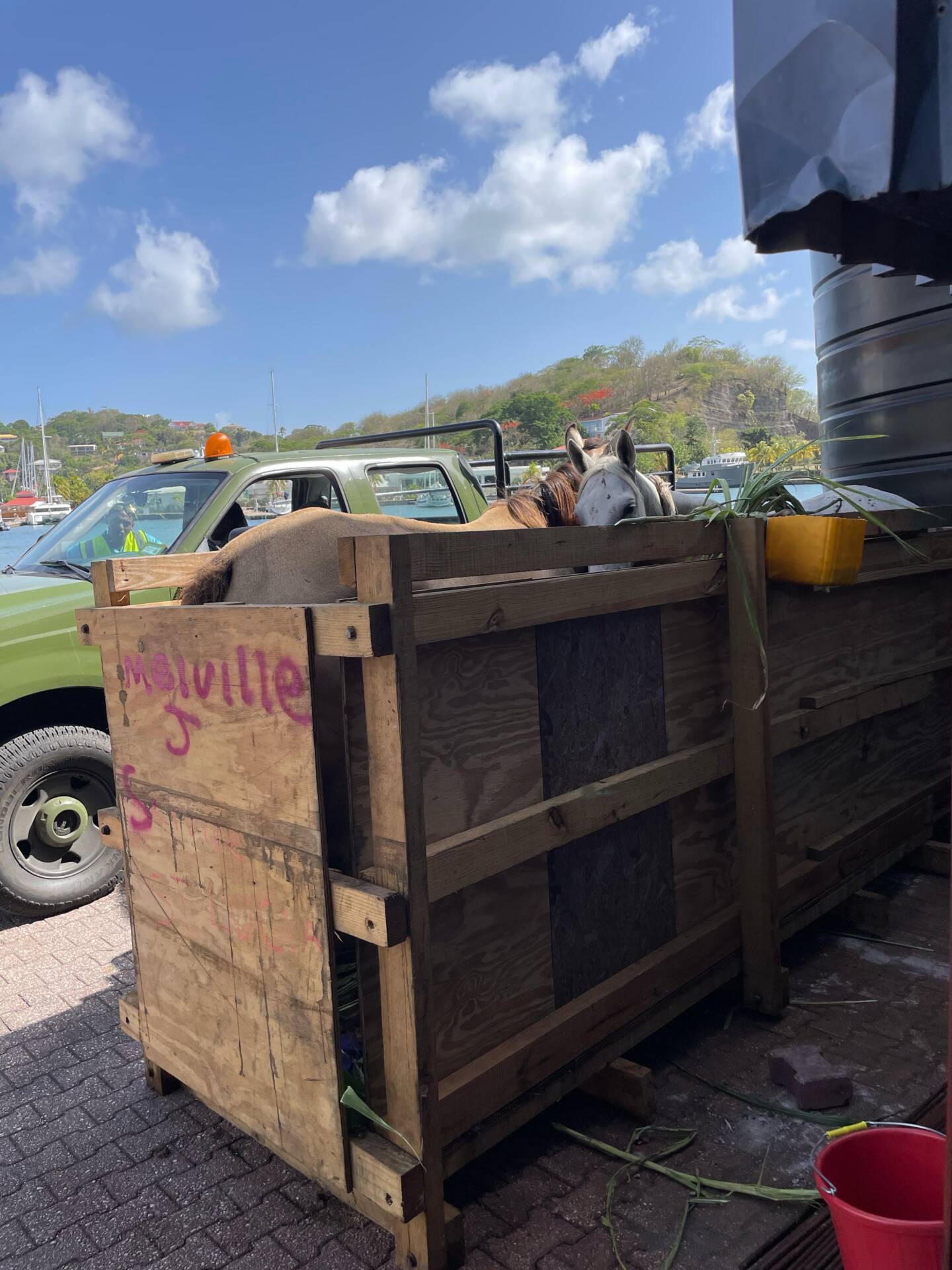
Bonanza Stables owner alleges Government wrongly euthanised imported horses

Grenada government pursuing legal action following importation of horses

1 day ago
Public statement: Chief Veterinary Officer on unathorised importation of horses

Public statement: Chief Veterinary Officer on unathorised importation of horses

1 day ago
St George’s University Scholarship Programme

Moroccan Government Undergraduate and Graduate Scholarships 2026–2027

1 day ago
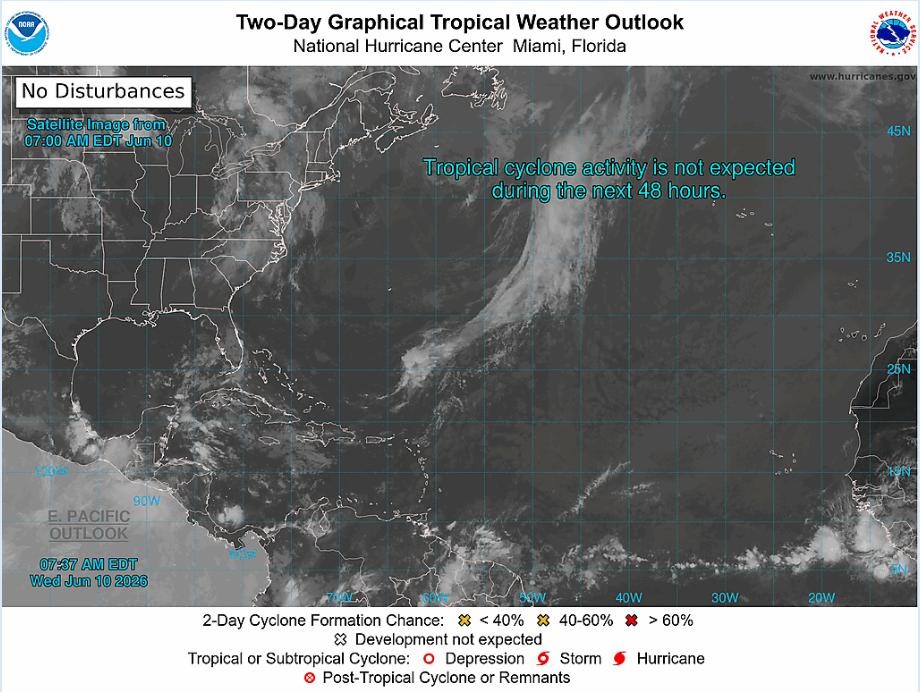
Tropical Weather Outlook:  Wednesday, 10 June 2026 (8 am)

Tropical Weather Outlook: Wednesday, 10 June 2026 (8 am)

1 day ago
Seeing China, sharing civilisations: A competition bridges cultures

Seeing China, sharing civilisations: A competition bridges cultures

1 day ago
Grenadian creatives to attend 2026 Annecy International Animation Film Festival

Grenadian creatives to attend 2026 Annecy International Animation Film Festival

2 days ago
Grenada and China deepen, strengthen relations

The noise over the Grenada–Nigeria free visa issue

2 days ago
NOW Grenada
  • Front Page
  • Categories
    • General News
      • All
      • Agriculture & Fisheries
      • Arts & Culture
      • Business
      • Education
      • Environment
      • Health
      • History
      • Lifestyle
      • Law
      • Politics
      • Technology
      • Travel & Tourism
      • Weather
      • Youth
    • Sports
      • All
      • Athletics
      • Cricket
      • Football
      • Watersports
    • Community
      • All
      • Tribute
    • Crime
    • Features
      • All
      • Today in History
    • Opinion/Commentary
    • Press Releases
      • All
      • Advertisements
      • Notices
  • Video
  • Notices & Vacancies
  • Advertise
  • Contact Us
No Result
View All Result
  • Front Page
  • Categories
    • General News
      • All
      • Agriculture & Fisheries
      • Arts & Culture
      • Business
      • Education
      • Environment
      • Health
      • History
      • Lifestyle
      • Law
      • Politics
      • Technology
      • Travel & Tourism
      • Weather
      • Youth
    • Sports
      • All
      • Athletics
      • Cricket
      • Football
      • Watersports
    • Community
      • All
      • Tribute
    • Crime
    • Features
      • All
      • Today in History
    • Opinion/Commentary
    • Press Releases
      • All
      • Advertisements
      • Notices
  • Video
  • Notices & Vacancies
  • Advertise
  • Contact Us
No Result
View All Result
NOW Grenada
No Result
View All Result

Safeguard Grenada’s time capsules

This story was posted 3 years ago
13 March 2023
in Environment, History, OPINION/COMMENTARY
4 min. read
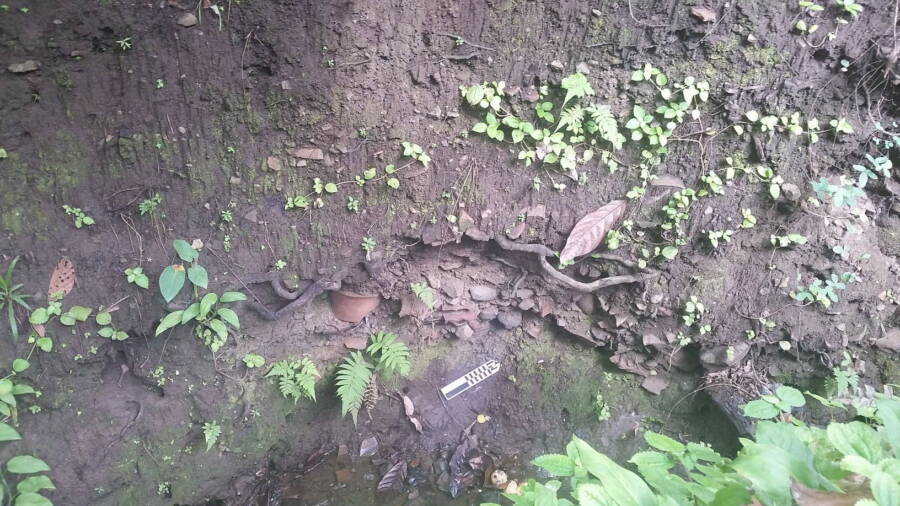
Ceramic vessel in a ravine in 2016, at the La Fillette site, St Andrew. Photo: Jonathan Hanna
0
VIEWS
Share

by Jonathan Hanna, PhD, archaeologist

There are time capsules under our feet, everywhere we go — little (sometimes big) remains of those who were here before.

A soil stain, a piece of pottery, a piece of rust, a bone. We push them aside and pay no attention. Yet, they hold a surprising amount of information for those with the skills to read them.

We, ourselves, are also continuously leaving marks in the ground. Think about the remains left around shops and restaurants, the bones thrown to dogs, or the litter scattered after an outdoor festival or concert. Think about what that might look like in 1,000 years. Indeed, archaeologists in the future will be able to see some of what happened today, just like we can see some of what happened in the past.

In the correct hands, these disregarded items are time capsules — they become invaluable sources of information. As we say in archaeology, “It’s not what you find, but what you find out.” It’s not the objects themselves, but the information they contain. We unlock this information through scientific methods by systematically studying those remains left behind. We look at distinctive typologies such as how ceramics or stone tools changed over time; we look at human bones; we look at soil stains and the chemical processes affecting them, including isotopes, radioactive decay, and ancient DNA.

Above all, we look at the context of each finding — how deep an object is, characteristics of the soil, and the other things it is associated with. The less we know about the original context, the less of the story we can tell. We can’t learn much from a random piece of pottery found at an unknown location. We can say a few things about it, but only things that were learned from elsewhere, from artifacts whose context was left intact and well-studied.

Grenada is losing its time capsules at an alarming rate. Construction is everywhere. On the surface, that seems good, but only when thoughtfully done. We must understand it is not development itself, but the process of development that is so important. Did we maximise employment for high-skilled jobs as much as low-skilled ones? Are we building a middle class or just perpetuating poverty? Low-skilled, minimum-wage jobs are not development — they are the status quo (or worse).
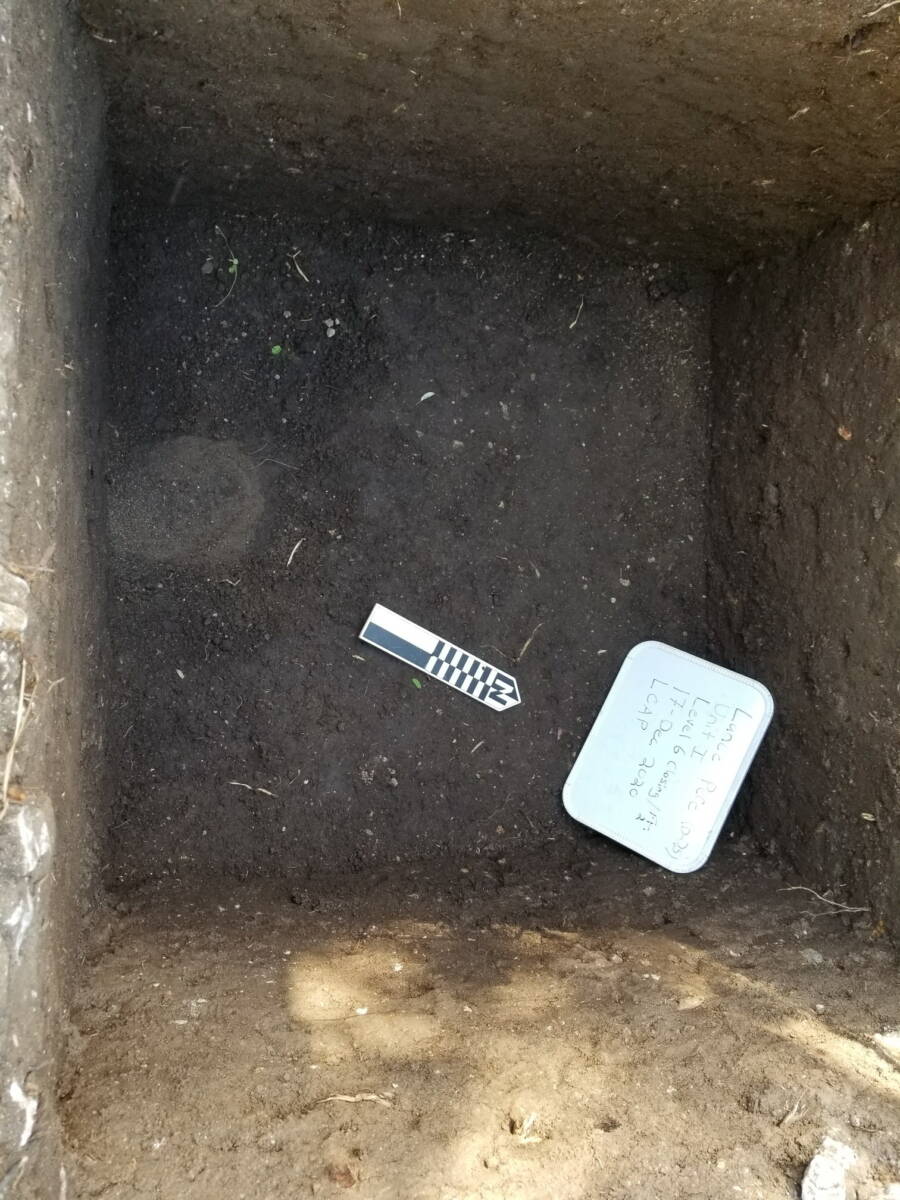
A post-hole stain at Lance Pere (La Sagesse), St David in 2020. Image: Jonathan Hanna

This is why impact assessments are so important. These are studies conducted long before a project gets off the ground on its environmental effects, its archaeological effects, its social effects, among others. Such assessments employ the best and brightest Grenadians: scientists who tend to leave and never come back. How many Grenadians study marine biology or ecology or botany? How many get jobs here after they graduate? Impact assessments are an entire industry that can employ more of our intellectuals and slow the ‘brain drain.’ Yet, we are ignoring them in the name of speed, in the belief that the low-paying jobs at a new hotel are an achievement. They aren’t. But that marine biologist we ignored, that wetlands ecologist, that ornithologist, that archaeologist, and all those other professionals would have been paid a lot more. And they wouldn’t have to leave for the UK or Canada or the USA to send money home doing the same work they could (should) be doing here.

As in the developed world, Grenada needs to do better impact assessments and we need to include archaeology in those studies. Doing these studies beforehand fixes unforeseen problems and adds integrity to projects. It gets a bunch of scientists to look at the proposed development and point out any flaws — not to stop or slow construction, but to make it better. There are ancient skeletons that should be exhumed and recorded first. There are wetlands that must be protected. There are endangered sea turtles nesting on some of our beaches that need sufficient buffers to survive. Otherwise, development is not constructive but destructive. Whether we’re talking about forests or beaches or archaeological sites, the physical destruction of the landscape has lasting effects, even when the construction is left unfinished.

Despite laws requiring them, few government-funded projects conduct thorough impact assessments at all in Grenada, and the private/semi-private projects that have done EIAs were not required to do archaeological surveys or excavation, even when the projects were taking place at well-known archaeological sites. By requiring archaeology in EIAs, government can ensure that we look at some of these time capsules before they are thrown away.

Impact assessments not only improve the project and employ Grenadian scientists, they also allow us to document things before they are destroyed — in archaeology’s case, before they are gone forever. There are no Amerindians living on Grenada’s landscape today making pottery or drawing petroglyphs; there are no enslaved Africans making improvised glass tools or stuffing sugar moulds; no French or British soldiers making bone buttons or firing grapeshot. These remains are all we have left; they are a finite resource. The burials falling into the sea at Sauteurs and Molinere and True Blue are some of the few that have survived, against all odds, and yet continue to disappear before our eyes.

We are at a crossroads in Grenada. One road embraces the opportunity to improve project feasibilities, employ Grenadian scientists, and document things before they are destroyed. The other road confuses fast construction with development and leads to a cycle of continuous poverty for too many people. Let’s encourage government to make the right choice for the health of our economy, environment, and heritage to ensure that we safeguard for future generations the things that make our tri-island state so unique.

Originally published in The Grenadian Voice, 3 March 2023.

NOW Grenada is not responsible for the opinions, statements or media content presented by contributors. In case of abuse, click here to report.
Tags: archaeologyimpact assessmentjonathan hannamolineresauteurstime capsuletrue blue

© NOW Grenada Ltd. All Rights Reserved. Terms of Use | Privacy Policy

No Result
View All Result
  • Front Page
  • Categories
    • General News
      • All
      • Agriculture & Fisheries
      • Arts & Culture
      • Business
      • Education
      • Environment
      • Health
      • History
      • Lifestyle
      • Law
      • Politics
      • Technology
      • Travel & Tourism
      • Weather
      • Youth
    • Sports
      • All
      • Athletics
      • Cricket
      • Football
      • Watersports
    • Community
      • All
      • Tribute
    • Crime
    • Features
      • All
      • Today in History
    • Opinion/Commentary
    • Press Releases
      • All
      • Advertisements
      • Notices
  • Video
  • Notices & Vacancies
  • Advertise
  • Contact Us

Copyright NOW Grenada

We are using cookies to give you the best experience on our website.

You can find out more about which cookies we are using or switch them off in . Visit our Privacy Policy | Terms of Use.

No Result
View All Result
  • Front Page
  • Categories
    • General News
      • All
      • Agriculture & Fisheries
      • Arts & Culture
      • Business
      • Education
      • Environment
      • Health
      • History
      • Lifestyle
      • Law
      • Politics
      • Technology
      • Travel & Tourism
      • Weather
      • Youth
    • Sports
      • All
      • Athletics
      • Cricket
      • Football
      • Watersports
    • Community
      • All
      • Tribute
    • Crime
    • Features
      • All
      • Today in History
    • Opinion/Commentary
    • Press Releases
      • All
      • Advertisements
      • Notices
  • Video
  • Notices & Vacancies
  • Advertise
  • Contact Us

Copyright NOW Grenada

Powered by  GDPR Cookie Compliance
Privacy Overview

This website uses cookies so that we can provide you with the best user experience possible. Cookie information is stored in your browser and performs functions such as recognising you when you return to our website and helping our team to understand which sections of the website you find most interesting and useful. Visit our Privacy Policy | Terms of Use.

Strictly Necessary Cookies

Strictly Necessary Cookie should be enabled at all times so that we can save your preferences for cookie settings.