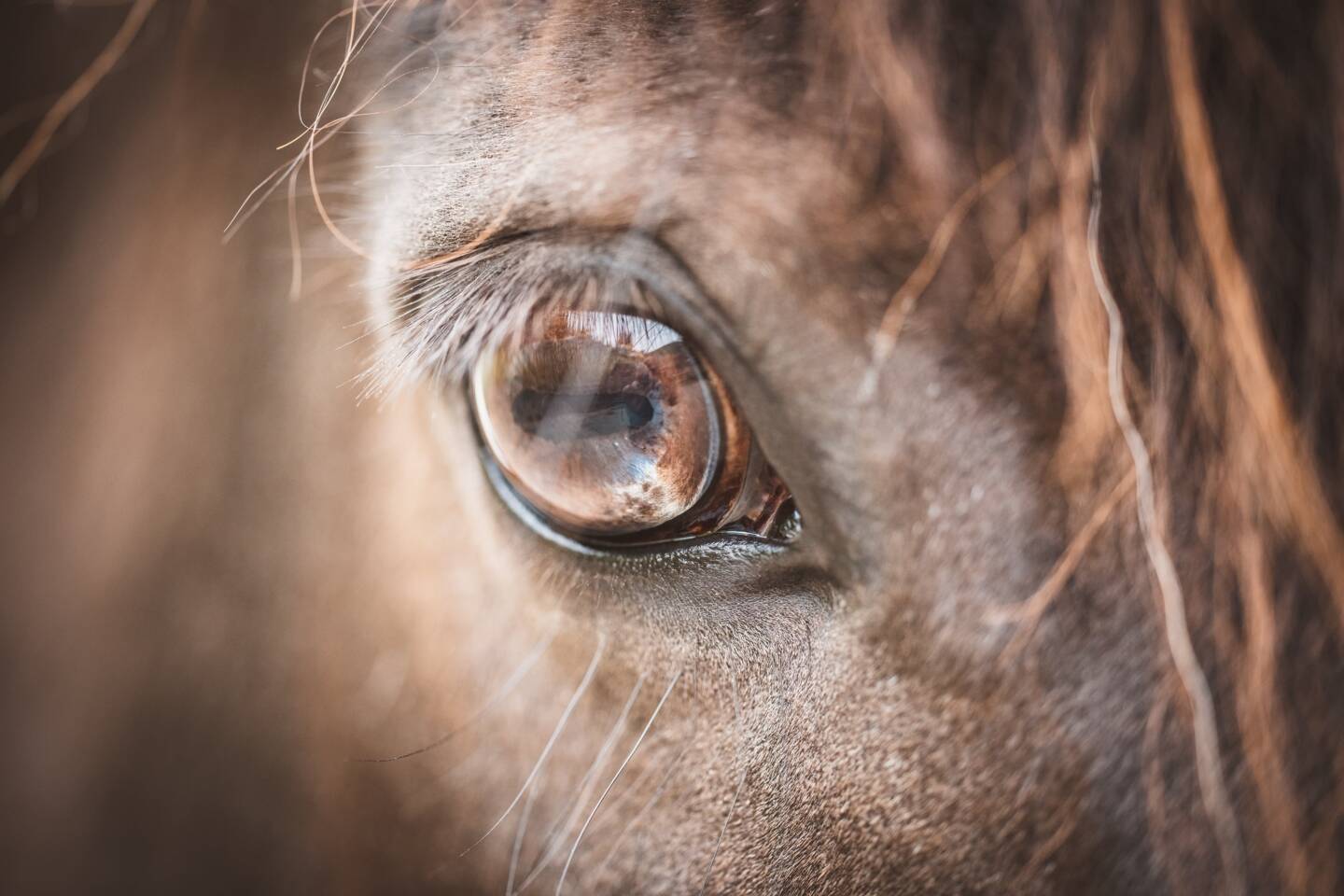













The Ministry of Agriculture, Lands and Forestry, through the Veterinary and Livestock Division, wishes to inform the public of a recent biosecurity incident involving the attempted importation of 2 horses from St Lucia into Grenada.
- No permission was granted for importation
No import permit was issued by the Veterinary and Livestock Division, the competent authority under the Animal Disease and Importation Act (Cap. 15).
-
- The animals were therefore being brought into Grenada without legal authorisation.
- This constitutes a clear breach of the Act, which requires a valid permit for the importation of any animal or animal product
- Disease status of the animals
Official health documentation from the Chief Veterinary Officer of St Lucia confirmed that both horses tested positive for Babesia spp., the causative agent of equine babesiosis, a serious tick-borne disease of horses. Grenada is currently free of equine babesiosis, and under our national policy, animals that test positive for Babesia are strictly prohibited from entering the country.
- No quarantine or treatment facilities were available
In keeping with our legal responsibilities and technical assessment:
-
- Grenada does not have an operational quarantine facility capable of safely housing and managing high-risk, Babesia-positive animals
- The Veterinary and Livestock Division does not currently possess the specialised medications, equipment, and supplies required to adequately treat such cases
- External partners within Grenada indicated they could not provide quarantine or treatment for these animals
Given these constraints, there was no safe or lawful way to admit, isolate, and manage these horses within Grenada.
- Actions taken: euthanasia and incineration
Consistent with the Animal Disease and Importation Act (Cap. 15), established international biosecurity standards, and the recommendations of the Caribbean Animal Health and Food Safety Agency (CAHFSA), the following actions were taken solely to protect national herd health:
-
- The animals were denied legal entry to Grenada.
- When returning to the exporting country was determined not to be feasible, the horses were:
- Humanely euthanised in accordance with accepted veterinary welfare standards; and
- Immediately incinerated under official supervision to ensure complete destruction of potentially infectious material
These measures are standard sanitary procedures used worldwide to prevent the introduction and establishment of serious animal diseases.
- Legal and sanitary rationale
Under the Animal Disease and Importation Act (Cap. 15), the Chief Veterinary Officer is mandated to:
-
- Prevent the introduction of animal diseases into Grenada
- Refuse entry, or order the destruction, of animals that pose an unacceptable disease risk or are imported without a valid permit; and
- Take immediate steps necessary to safeguard the health of the national herd and, by extension, public and economic health
Allowing Babesia-positive horses into Grenada would have created a high risk of introducing equine babesiosis into a country currently free of this disease. Given the widespread presence of ticks and the absence of appropriate quarantine and treatment facilities, the likelihood of disease establishment and spread would have been very high. Consequences could include:
-
- Infection of local horses and other equines;
- Long-term endemic disease, with chronic animal health and welfare impacts;
- Increased veterinary and control costs; and
- Potential restrictions on regional and international trade in animals and animal products
In this context, humane euthanasia and incineration of the animals were not punitive measures, but necessary public and animal health interventions to prevent a serious and irreversible animal disease problem in Grenada.
- Technical, not political, decision
This decision was taken by the Veterinary and Livestock Division and the Office of the Chief Veterinary Officer on strict technical and legal grounds. It reflects:
-
- Compliance with the Animal Disease and Importation Act (Cap. 15)
- Application of internationally accepted animal health and biosecurity principles; and
- Alignment with expert regional advice from CAHFSA
The matter is therefore one of biosecurity, animal health, and protection of the national livestock sector, not a political dispute.
The Ministry of Agriculture remains committed to:
- Enforcing import regulations fairly and consistently
- Safeguarding the health status of Grenada’s animals; and
Providing clear, factual information to the public on matters affecting national biosecurity
For further technical information, please contact the Office of the Chief Veterinary Officer, Veterinary and Livestock Division, Ministry of Agriculture, Lands and Forestry.
Ministry of Agriculture