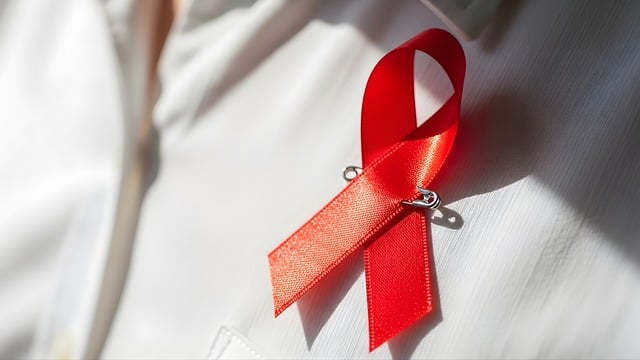





1 December is World AIDS Day. For many, it no longer carries the threat of a life-ending disease.
Sadly, that is not the case for millions of others whose lives were protected by funding through USAID. What was once a proud US President’s Emergency Plan for AIDS Relief (PEPFAR) was cruelly and arbitrarily dismantled by the current US President. As Bill Gates put it, a very rich man himself, “The world’s richest man is killing the world’s poorest children.” He was describing Elon Musk. The world’s richest and most powerful country is killing hundreds of thousands of people in the world’s poorest and most fragile countries.
The USAID funding of about US$20 billion was less than 1% of the US budget. In 2024, it was a mere 0.3%. Yet most Americans believe USAID is about 25% of the federal budget. Atul Gawande, a distinguished physician, estimates that USAID saved 92 million lives in 2 decades. Now, Brooke Nichols, an epidemiologist at Boston University, estimates that the closure of the programme has already resulted in more than 600,000 deaths, two-thirds of them children, at a rate of almost 90 per hour.
So, on this World AIDS Day, we face a new challenge.
We have no right to USAID funding. We must find ways to take care of our own citizens. We must find cheap ways of doing this. One of the most effective and proven mechanisms is education. We must teach our children about hygiene, interpersonal relations, abstinence, sexuality, and, yes, about responsible sex. Health and Family Life Education (HFLE) is not an examinable subject. It is therefore largely ignored. Yet failure in that subject has vastly greater life-long consequences for adolescents than failure in any other “examinable” academic subject.
We are profoundly ignorant of the catastrophic state of adolescent sexual relations in our tiny region. We are the second worst, or the worst region in the world by almost any metric — age of sexual debut, incest rate, rate rape, adolescent fertility, unintended pregnancy rate, abortion rate, and rate of gender violence. We are in crisis. And yet we remain oblivious. We do not speak to our children about sex — only 5% of parents do, almost always mothers. Teachers are reluctant to address ‘sensitive’ areas of the HFLE curriculum. They are often untrained. And the responsibility for HFLE is typically passed on to the youngest, newest, and most unprepared staff member. And for the most part, religious leaders stigmatise and horrify sexuality.
If we truly understood the life-saving importance of HFLE, we would set about making it a top priority. It would be examinable. We would assign the subject to our best teachers. We would hold all schools strictly accountable for delivery. As a matter of urgency, we would convene sessions with parents, urge them to speak with their children, and provide them with material, hard copy or digital, to make those conversations easier.
We should not depend on any country to care for our children. That is our responsibility as parents, teachers, social workers, healthcare workers, and neighbours.
If we learn nothing from public discussion about the Age of Civil Responsibility (ACR) Bill, it must be that we have failed miserably in our duty as parents. We must get beyond our inhibitions to speak about sex. If we truly care about our adolescents, we must speak with them early and often about sex.
In every Caribbean island, there are more churches than schools. We cannot accomplish our goal of moral and prudent sexual behaviour without the engagement of religious leaders. They must climb above denial and stigmatisation to face reality and join actively in becoming trustworthy sources of moral guidance and information.
Sincerely,
Tonia Frame, President, Grenada Planned Parenthood Association (GPPA)
Fred Nunes, Consultant, Advocates for Safe Parenthood: Improving Reproductive Equity (ASPIRE)