





by Linda Straker
- OECS member states face shifts in global politics and policy
- Burden of responsibility on OECS leaders to accelerate OECS integration
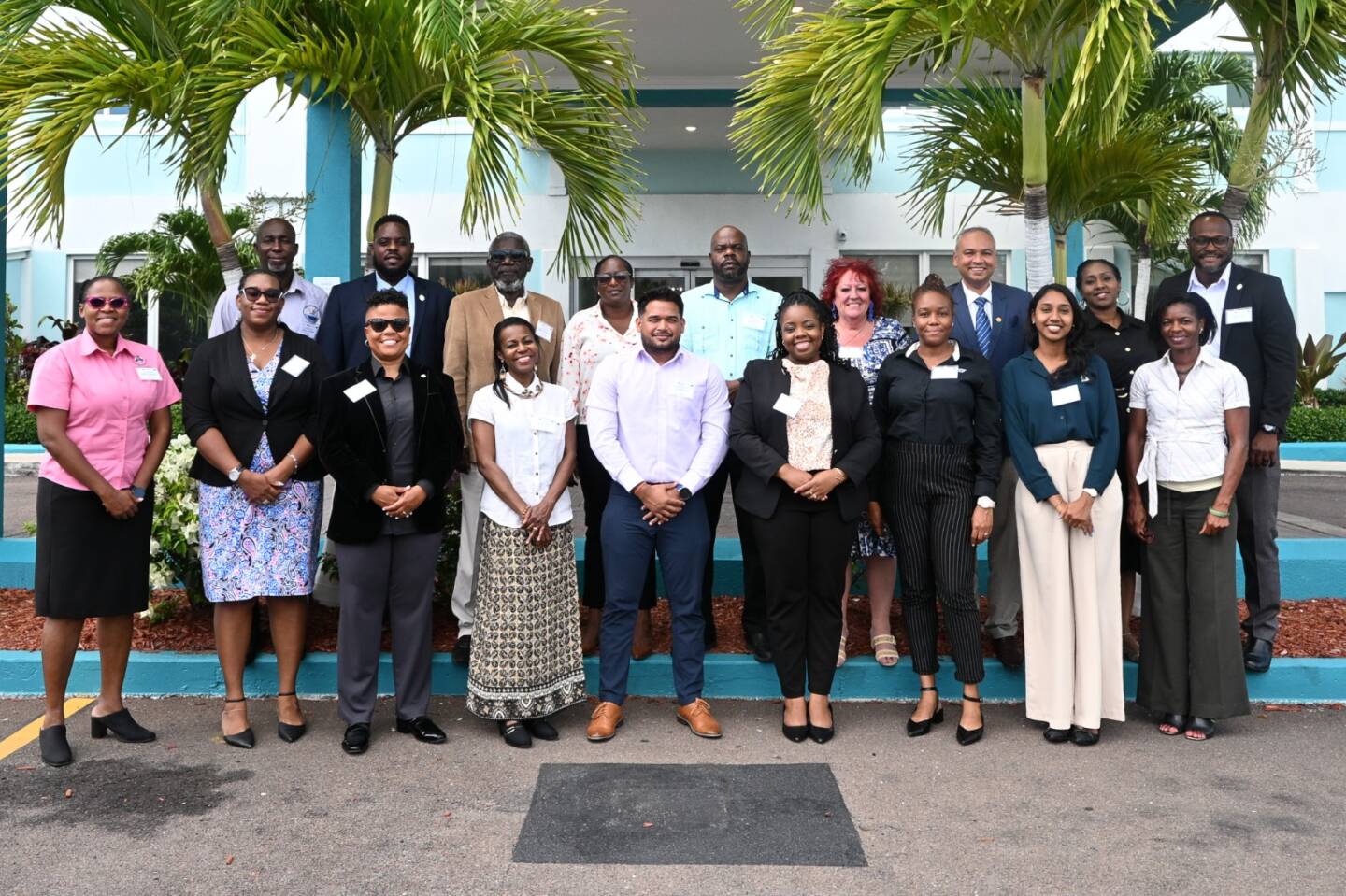
- 3rd Council of Ministers for Migration meeting at Radisson Convention Centre
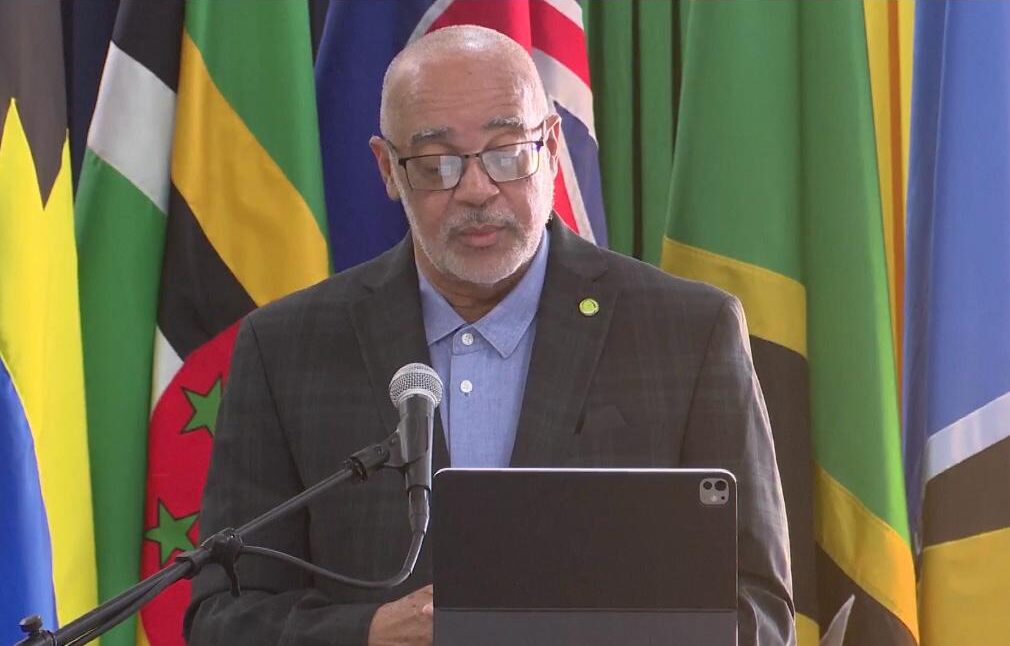
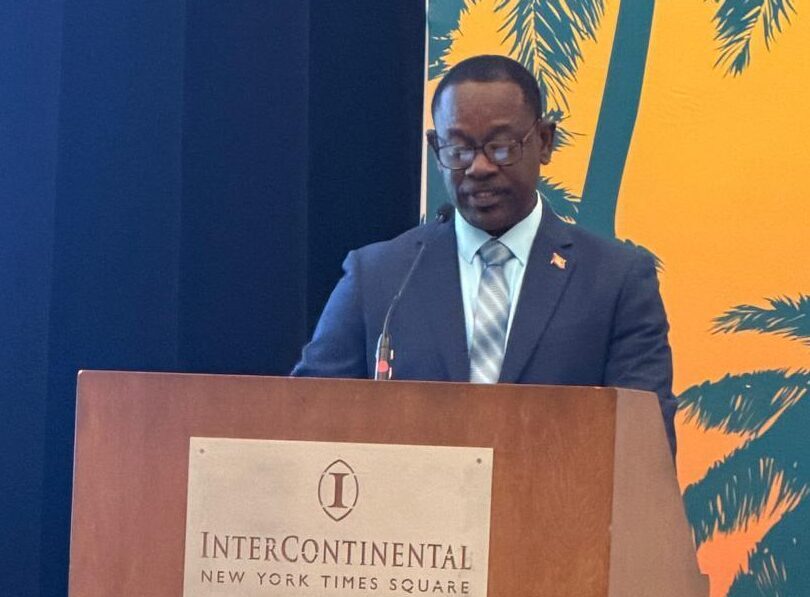
Dr Didacus Jules, Director General of the Organisation of Eastern Caribbean States (OECS), said that OECS member states must work together as a unified bloc to face challenges created because of “shifts in global politics and policy,” especially changes in the United States.
“To face these challenges, we must work together as a unified bloc. By strengthening our bonds, we can reinforce our economic and social integration, making us more resilient against external pressures,” he said, addressing the opening ceremony of the 3rd Council of Ministers for Migration meeting, which opened at the Radisson Convention Centre on 5 March.
He said that members of this sub-regional grouping find themselves at a crucial moment in history as some of the shifts in global politics and policy, especially changes in the United State,s are already heavily impacting the region. “These include deep constrictions of foreign aid, stricter immigration policies, and tariffs on exports. Such developments place additional pressure on the OECS to accept deportees, reintegrate them into our societies, and bear the related social and security costs.”
Dr Jules said that in light of these global shifts, this Council of Ministers meeting is more important than ever. “We aim to enhance our regional integration through new policies and frameworks that not only support free movement but also maintain secure borders and modernize immigration procedures. This meeting is not about talk, but action.”
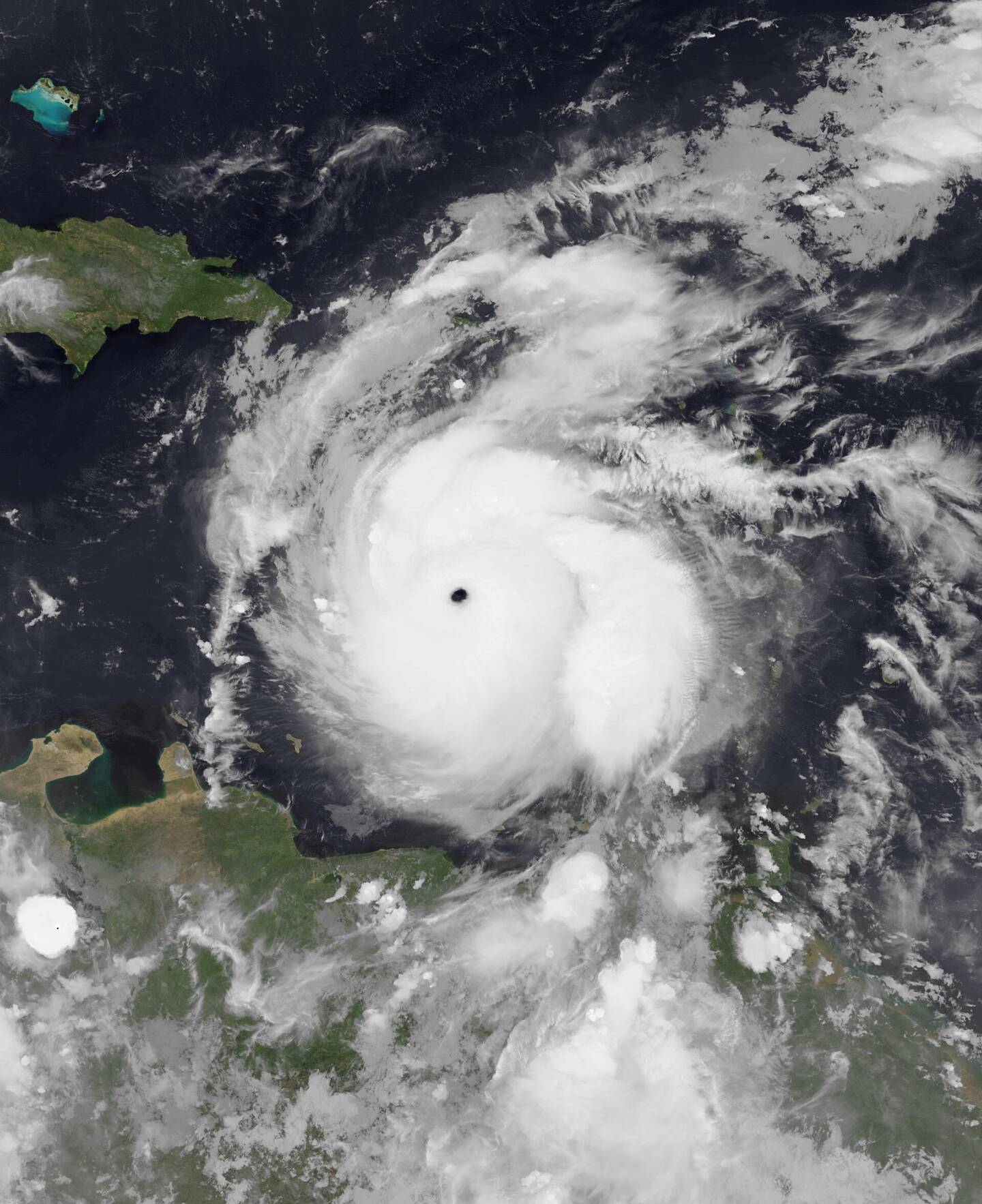
Discussion at the meeting will include support for implementing the free movement regime and the OECS Policy on Rights Contingent on the Right to Freedom of Movement, which grants citizens indefinite stay, work, and access to services without discrimination. Key issues to be discussed include enhancing border security personnel capacity, addressing environmental disaster impacts, implementing the Caricom Arrest Warrant Treaty and Model Bill, and enacting API and PNR legislation for timely passenger data.
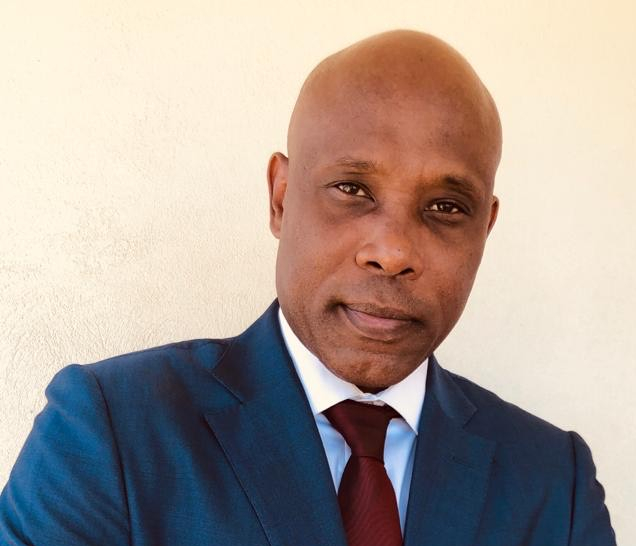
Drawing attention to the realities of the new geopolitical dynamics, Prime Minister Dickon Mitchell — the outgoing chairman of the Council for Migration Ministers — said a major global player is revisiting and even re-writing some 8 decades of global rules and norms. “There are unilateral trade and economic actions being taken against countries; what appears to be a more confrontational approach to countries within our hemisphere; massive crackdowns on illegal immigration and a retreat to nationalism.”
Mitchell, also Grenada’s Minister for National Security, said that while citizens of the region must continue to live in hope and expect the best, it is also incumbent on them to prepare for the worst. “In these circumstances, there is a burden of responsibility on us as leaders, policymakers and decision-takers to accelerate and consolidate our collective endeavours to deepen OECS integration. In a very real sense, our closer integration ought to be seen as a response to the external pressures which we face, whilst providing an opportunity for our growth and development.”
He said, “Therefore, the 3rd Meeting of the Council of Ministers for Immigration that I am pleased to chair, will allow delegates the opportunity to renew their commitment to going the full 9 yards with the implementation of the Economic Union project.”
Within the context of the Economic Union, contingent rights according to the policy must be rights that are accorded to OECS citizens taking advantage of the Right of Freedom of Movement, who are termed the principal beneficiaries and rights accorded to persons who are not citizens of the OECS but are moving with the principal beneficiaries.









This islands are not making sense. They split themselves into so many groups that they have us guessing?