













by Carlana McGuire
Leadership and management represent 2 essential forces that together drive organisational success.
While great leadership provides vision and inspiration, effective management delivers execution and efficiency. Without strong leadership, teams lack purpose and direction; without solid management, brilliant ideas never become reality. For anyone looking to build a successful organisation or advance their career, understanding how these forces work together is crucial.
Leadership vs Management: The core differences
At its heart, leadership is about creating vision, inspiring action, and driving transformation. Great leaders look toward the future, challenge what exists today, and bring people together around shared goals. They constantly ask: “Where should we go, and why does that matter?”
Management, on the other hand, focuses on creating structure, maintaining stability, and ensuring execution. Good managers turn plans into action and keep operations running smoothly. Their guiding question is: “How do we get where we need to go in the most effective way?”
Both roles are vital to success, but they require different mindsets and skills.
- Vision vs Execution
Leaders create the vision; managers bring it to life. A strong leader paints a picture of an ambitious future and motivates others to work toward it. A skilled manager breaks that vision into practical steps, making sure it becomes reality efficiently and effectively.
Take Apple as an example: Steve Jobs was the quintessential visionary leader who reimagined what technology could be and transformed entire industries. Tim Cook, first as operations chief and later as CEO, excelled at streamlining processes and supply chains to turn those revolutionary ideas into successful products.
- Influence vs Authority
Leadership grows from personal influence rather than position. Leaders earn trust and motivate through their ability to persuade, their passion, and their sense of purpose. Management typically relies on formal authority within the organisation to ensure work gets done.
A leader inspires team members to go above and beyond because they believe in the shared mission. A manager makes sure deadlines are met because that’s what the role requires. The most successful organisations combine these approaches: Leaders set direction while managers ensure progress.
- Change vs Stability
Leaders thrive on change; managers excel at creating stability. Forward-thinking leaders foster innovation and encourage teams to step outside their comfort zones to achieve breakthroughs. Skilled managers maintain order and refine established processes to ensure reliable results.
Consider how organisations adapted to remote work: Innovative leaders saw opportunities for greater flexibility, creativity, and work-life balance. Meanwhile, capable managers made sure teams had the right tools, resources, and structures to stay productive during this significant transition.
- People vs Systems
Leaders focus primarily on people — developing their potential, keeping them motivated, and helping them grow. They build meaningful connections and empower individuals to develop their unique strengths. Managers concentrate on creating effective systems, ensuring organisational processes work efficiently to achieve goals.
Organisations that emphasise strong leadership typically see higher engagement and innovation. Those focused solely on management may achieve efficiency in the short term but often struggle with adaptation and retaining talent over time.
- Taking Risks vs Maintaining Control
Leaders are comfortable taking calculated risks. They explore uncharted territory, experiment with new approaches, and push boundaries to discover fresh opportunities. Managers excel at minimising risks, keeping projects on track, within budget, and aligning objectives.
An entrepreneur demonstrates leadership when launching an innovative business in an emerging market. Their operations director shows management excellence by building systems that ensure the business remains financially healthy and can grow sustainably.
When vision meets execution
An organisation with strong leadership but weak management might generate groundbreaking ideas but struggle to implement them effectively. Conversely, a business with excellent management but limited leadership may run efficiently but lack innovation and struggle with long-term growth.
The best leaders incorporate management principles to turn their vision into reality. Similarly, the best managers adopt leadership qualities to inspire and empower their teams. This powerful combination creates organisations capable of both innovation and execution, the true formula for lasting success.
Finding the balance
Leadership and management complement rather than oppose each other. Organisations that recognise this distinction and develop both capabilities will thrive in today’s dynamic environment. Whether you’re an executive, entrepreneur, or team leader, developing skills in both areas will make you more effective, adaptable, and impactful.
Developing both skillsets
The most successful professionals don’t limit themselves to being either leaders or managers, they become both. Start by recognising your natural strengths, then intentionally develop your complementary abilities. If you excel at management details, challenge yourself to create compelling visions and inspire others to follow. If leadership comes naturally to you, invest time mastering the practical systems that turn big ideas into tangible results. By developing this dual capability, you won’t just advance your career, you’ll become someone who can both envision exciting possibilities and consistently deliver outstanding outcomes.
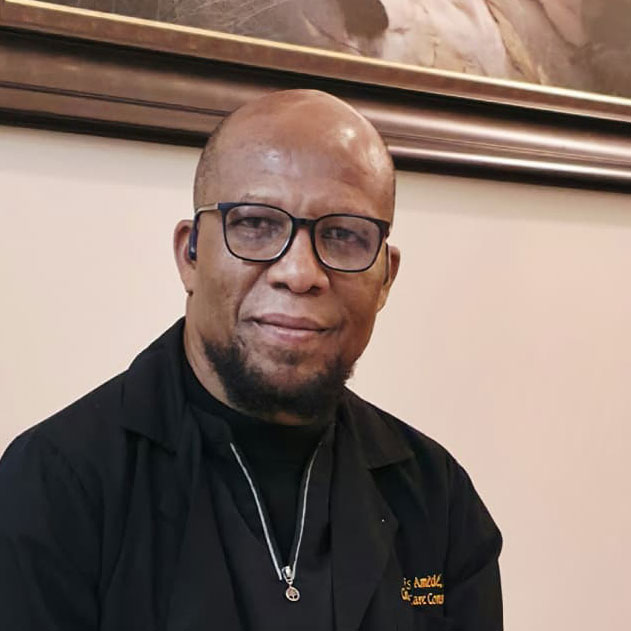
Carlana McGuire is a seasoned HR strategist and business consultant who helps leaders navigate the evolving intersections of leadership, organisational strategy, and workplace transformation. She leads Paperclip, a strategic HR consultancy. Learn more at paperclipgd.com