










by Judy M McCutcheon
When discussing leadership, it often revolves around a set of competencies, including vision, strategy, effective communication, emotional intelligence, decision-making, and execution.
KPIs, outcomes, engagement scores and the like measure it. Because of this, most leaders spend years refining how they show up: how they speak, decide, influence, and perform. Far fewer spend the same amount of time paying attention to what is happening internally as they lead. They ignore the internal landscape that helps to shape every decision, every interaction, and every moment of pressure. I think one of the most consequential questions most leadership conversations avoid is: who is the person leading when no one is watching, and what is shaping their responses in moments of pressure? Because the question is not about whether pressure or crisis will come, but rather if the leader has developed the awareness to recognise what takes over when it does.
Leadership does not begin when you get the title or when you sit in a strategy meeting or are directing a team. It starts long before that. It starts internally. Most of us could be effective leaders under calm conditions, when everything seems to align, but leadership is tested under pressure, when expectations collide, and when things veer off course. And in those moments, leaders do not rise to their aspirations; they default to their internal conditioning. It shows up in how they respond when they are challenged, contradicted, overwhelmed or afraid of losing control.
It reveals itself in the tone of a stressed voice, in the silence, or absence of it, between trigger and response, in the capacity to remain present rather than defensive when discomfort surfaces. This is where the inner work becomes unavoidable.
Inner work is not an exercise in introspection for its own sake; it is a responsibility of leadership. It is the ongoing practice of noticing what is happening within us as leaders, our reactions, assumptions, fears, patterns, and taking responsibility for them. It is the work of building enough self-awareness to recognise when we are leading from clarity and when we are leading from a place of fear. Because those two places feel very different to the people around us, even when the words sound the same.
A leader who has not done this work can still be competent, articulate, and even inspiring. But under pressure, something else often takes over. Authority becomes rigid and authoritarian. Feedback feels like a threat. Control replaces curiosity. Decisions are made quickly, but not always wisely. The body tightens, the nervous system shifts into defence mode, and the leader may not even realise it is happening. From the inside, it feels like decisiveness. From the outside, it often feels like fear.
By contrast, a leader who has engaged in sustained inner work begins to develop a different kind of presence. Not perfection, not endless calm, but regulation. The ability to notice internal activation without being ruled by it. The capacity to pause, to breathe, to choose a response rather than react automatically. This does not make leadership softer; it makes it steadier. It allows the leader to hold complexity without collapsing into control or avoidance.
Sustainability is the critical piece here. Inner work that is done to appear enlightened or emotionally intelligent rarely lasts. It fractures under real stress. Sustainable inner work is quieter. It is built through consistent self-reflection, honest self-inquiry, and a willingness to be uncomfortable without outsourcing that discomfort to others. It requires a leader to ask questions they cannot delegate: Have I actually healed what needs to be healed, or have I simply learned how to manage around it? Whom do I become when I am triggered? What am I protecting in this moment — my values, or my ego?
This kind of leadership does not rely on constant self-monitoring or endless introspection. Instead, it develops self-trust. The leader who knows their internal landscape is less afraid of it. They are not surprised by their own reactions and, therefore, less likely to project them onto their teams. Over time, this creates psychological safety, not because the leader announces it, but because people feel it in how conflict is handled, how mistakes are met, and how power is exercised.
And the effects do not stop at the office door.
Leaders often underestimate how portable their inner state is. The same patterns that surface at work show up at home, in friendships, in moments of intimacy and stress. A leader who leads from chronic vigilance may also struggle to be present with family. One who avoids discomfort at work may avoid difficult conversations everywhere. Inner work done for leadership alone is incomplete; inner work integrated into one’s way of being changes how a person relates across all contexts.
This is where leadership becomes less about influence and more about integrity. Not moral perfection, but coherence. When a leader’s internal world aligns with their external behaviour, trust deepens naturally. People sense when someone is grounded in themselves. They feel the difference between authority rooted in fear and authority rooted in self-awareness. One demands compliance; the other invites commitment.
Perhaps the most confronting part of inner work is recognising that no amount of technical skill can compensate for emotional immaturity. Intelligence does not override dysregulation. Experience does not cancel unresolved patterns. Titles do not insulate leaders from the impact of their inner world on others. Leadership amplifies what is already there.
The invitation, then, is not to become endlessly self-analytical, but to become honest. To notice when leadership is coming from awareness and when it is coming from fear or protection. To build the capacity to stay with discomfort long enough to learn from it, rather than rushing to control or escape it. To understand that regulation is not about suppressing emotion, but about allowing it without being overtaken by it.
This work is quiet. Often invisible. Rarely rewarded immediately. And yet, over time, it transforms the quality of leadership in ways no framework ever could. It shapes the atmosphere teams operate in. It influences how conflict resolves or escalates. It determines whether people feel seen or managed, trusted or monitored.
Perhaps the most important question a leader can sit with is not What kind of leader do I want to be? But who am I being when leadership asks more of me than I am comfortable giving?
The answer to that question is not found in a book or a workshop. It is revealed slowly, in moments of tension, choice, and restraint. And it is in that space that leadership either deepens or repeats itself.
©All Rights Reserved.
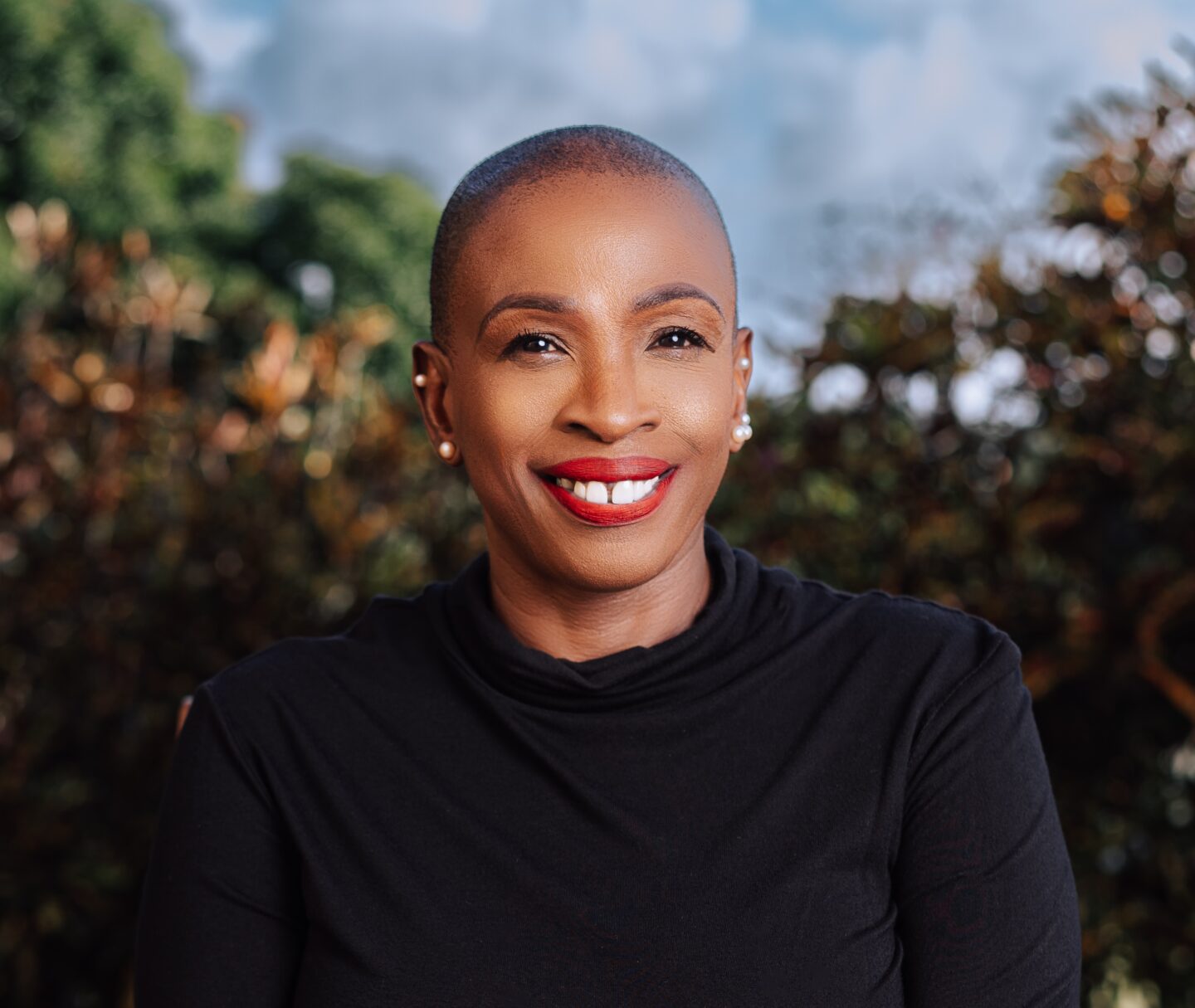
Judy McCutcheon is the CEO of Go Blue Consulting and a Certified Leadership and Trauma-Informed Coach.