









• Latest
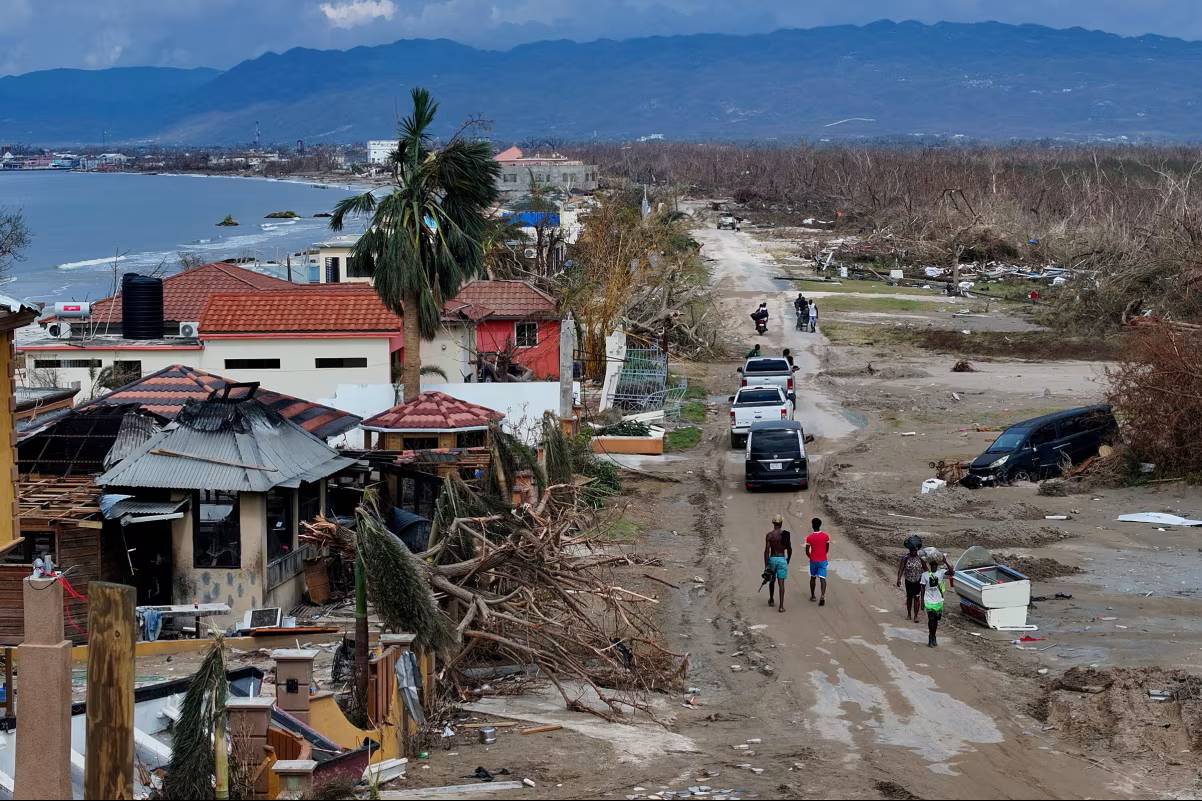
Hurricane Melissa shows why everyday Caribbean workers need financial protection

Hurricane Melissa shows why everyday Caribbean workers need financial protection

8 months ago
Grenada strengthens digital resilience

Grenada strengthens digital resilience

12 hours ago
Shane David–Joseph, of Grenadian heritage, shines in world premiere of ‘Driftwood’

Shane David–Joseph, of Grenadian heritage, shines in world premiere of ‘Driftwood’

12 hours ago
ECCU economic industry transformation

Banked – But by whom?

19 hours ago
Skinny Banton has all that’s needed for another epic Spicemas experience

Skinny Banton has all that’s needed for another epic Spicemas experience

20 hours ago
CRFM Scientific Conference Technical Papers and National Reports

CRFM Scientific Conference Technical Papers and National Reports

20 hours ago
Recent earthquake activity in Eastern Caribbean

PM’s statement on Venezuela earthquakes 24 June

21 hours ago
STAR Intervention Programme brings out best in RGPF

Suicide: A strange 21st century normalcy!

21 hours ago
Grenada welcomes returning nationals

Grenada welcomes returning nationals

22 hours ago
Minister Cornwall at OPEC Fund Development Forum

Minister Cornwall at OPEC Fund Development Forum

22 hours ago
WINDREF: Terms of Reference – Invitation to Bid

WINDREF: Invitation for Prequalification of Contractors

2 days ago
Korea International Cooperation Agency (KOICA) Scholarship opportunity for Master’s Degrees

2026–2027 Korea International Cooperation Agency Scholarship announcement

2 days ago
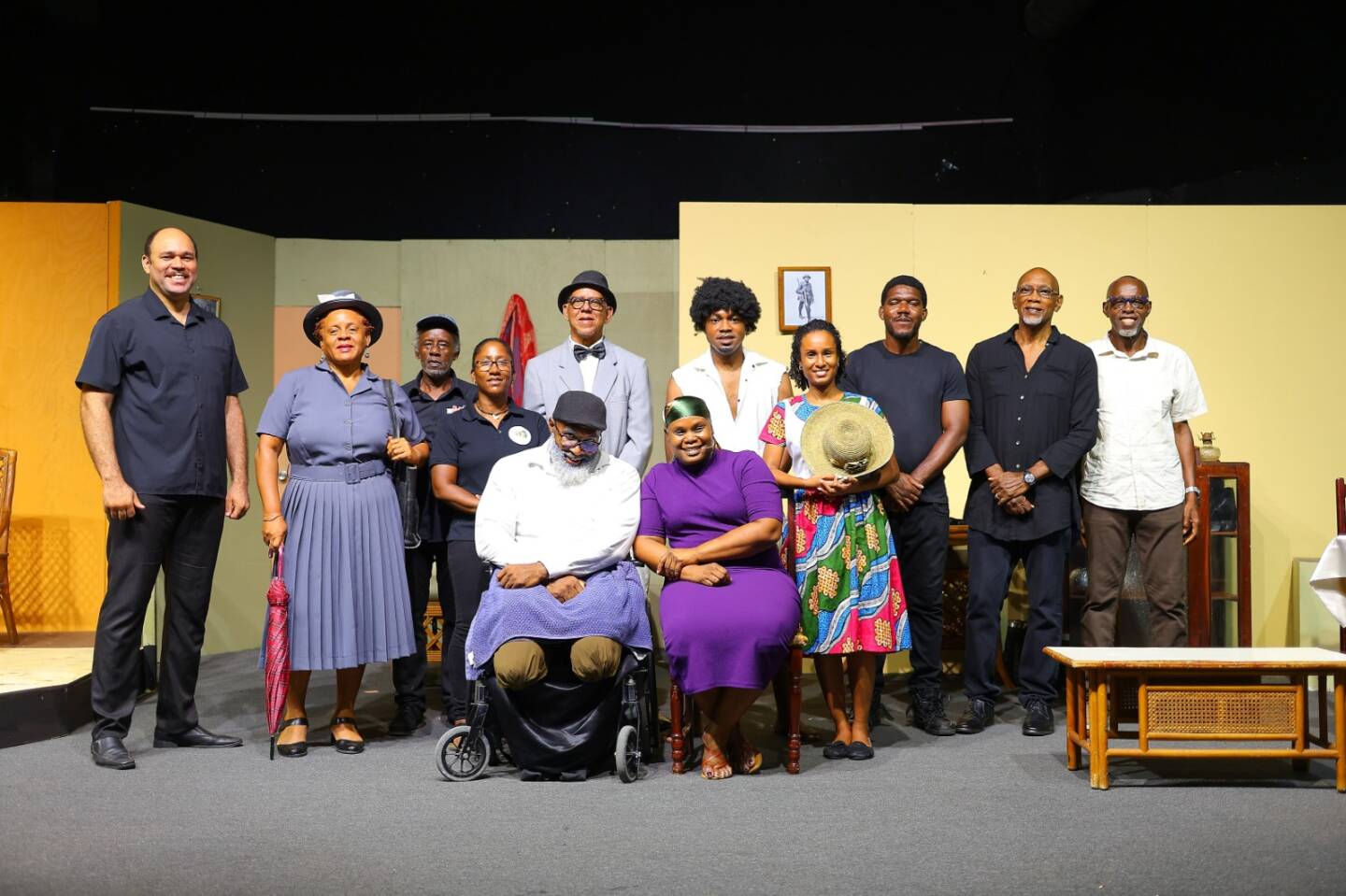
Lucy’s Straw Hat: A mirror held up to our society

Lucy’s Straw Hat: A mirror held up to our society

2 days ago
NOW Grenada
  • Front Page
  • Categories
    • General News
      • All
      • Agriculture & Fisheries
      • Arts & Culture
      • Business
      • Education
      • Environment
      • Health
      • History
      • Lifestyle
      • Law
      • Politics
      • Technology
      • Travel & Tourism
      • Weather
      • Youth
    • Sports
      • All
      • Athletics
      • Cricket
      • Football
      • Watersports
    • Community
      • All
      • Tribute
    • Crime
    • Features
      • All
      • Today in History
    • Opinion/Commentary
    • Press Releases
      • All
      • Advertisements
      • Notices
  • Video
  • Notices & Vacancies
  • Advertise
  • Contact Us
No Result
View All Result
  • Front Page
  • Categories
    • General News
      • All
      • Agriculture & Fisheries
      • Arts & Culture
      • Business
      • Education
      • Environment
      • Health
      • History
      • Lifestyle
      • Law
      • Politics
      • Technology
      • Travel & Tourism
      • Weather
      • Youth
    • Sports
      • All
      • Athletics
      • Cricket
      • Football
      • Watersports
    • Community
      • All
      • Tribute
    • Crime
    • Features
      • All
      • Today in History
    • Opinion/Commentary
    • Press Releases
      • All
      • Advertisements
      • Notices
  • Video
  • Notices & Vacancies
  • Advertise
  • Contact Us
No Result
View All Result
NOW Grenada
No Result
View All Result

Hurricane Melissa shows why everyday Caribbean workers need financial protection

This story was posted 8 months ago
3 November 2025
in Agriculture/Fisheries, Business, Community, Environment, PRESS RELEASE, Weather
4 min. read
Drone image captures residents navigating down a flood-scarred street in Black River, Jamaica, as recovery begins following Hurricane Melissa. Photo: Maria Alejandra Cardona
0
VIEWS
Share

by Chalsey Gill Anthony, Environmental Communicator, on behalf of Caribbean Policy Development Centre (CPDC)

When Hurricane Melissa ripped across the Caribbean just a few days ago, it damaged roads and power lines and disrupted the way thousands of people earn a living.

In Jamaica, entire sections of St Elizabeth, the country’s “breadbasket”, were flooded, threatening food supplies far beyond the parish itself. At one point, more than three-quarters of Jamaica’s electricity customers lost power as the Jamaica Public Service Company (JPS) network took a major hit.

Heavy rains and flooding also occurred in Haiti and the Dominican Republic, killing dozens of people, washing out homes, and leaving families without basic resources and services. These are the kinds of climate shocks our region now faces almost every year.

But the real story unfolds after the storm has passed:

  • farmers can’t replant because their pumps, seedlings and investments are gone
  • vendors can’t sell because the market building or electricity is down
  • fishers can’t go out to sea because their boats and docks are destroyed
  • tourism and service workers lose shifts as hotels, ports or tour sites repair storm damages

One household’s “hidden” loss quickly ripples across entire communities. A farmer’s lost harvest means less produce in the market. A fisher’s broken boat means fewer fish on dinner tables. A vendor’s closed stall means fewer goods available to households. In other words, the livelihood loss of one household quickly becomes the hardship of many.

Those are real economic losses, and they fall hardest on the people working informally, the very people our food systems and local markets depend on.

National governments are responding. They clear roads, restore power, reopen schools, and, in Jamaica’s case, the prime minister outlined immediate relief and early recovery priorities in his 27 October national address about Hurricane Melissa. Shelters were opened across affected communities; evacuation orders were enforced for flood-prone areas; and security forces were deployed to maintain order. The government also activated a price-control order to prevent gouging on essential goods, while the Ministry of Agriculture and Fisheries prepared a recommended price list to stabilise markets.

J$400 million was allocated for emergency drain-cleaning and constituency mitigation, with additional support to farmers and fishers to help restart production. The Ministry of Labour and Social Security and the JDF were tasked with coordinating national relief, while the Ministry of Health launched mosquito-control operations to reduce post-storm disease risk. And, importantly, Jamaica’s disaster-risk financing instruments — the National Natural Disaster Risk Fund, the Contingency Fund, and other insurance/credit instruments  — were activated to ensure quick access to response funds.

But even strong national action can’t quickly cover thousands of small, scattered losses, the vehicles that washed away, the market stall roofs that collapsed, the small poultry sheds that drowned, or the weeks of income lost as a result. That gap is exactly what the Caribbean Policy Development Centre (CPDC)’s 2025 research on Climate and Disaster Risk Financing and Insurance (CDRFI) found across 5 Caribbean countries: 79% of organizations serving vulnerable people had no disaster budget, and 80% weren’t even collecting regular member fees — so when a Melissa-level storm hits, there’s no local pot or social safety net to turn to.

That is why CPDC argues for meso-level CDRFI. It is a model that uses the institutions people already trust (credit unions, cooperatives, community-based organisations) to deliver money faster and more fairly after a shock. Instead of waiting months for a national programme to reach a disaster-affected area, local community groups could:

  • get a quick payout because the storm met a trigger (parametric insurance)
  • top it up for people who lost more than the average (indemnity insurance)
  • use its own small reserve to help members restock, repair, or even relocate to keep earning (community savings fund)

This is not a replacement for government aid and resources. We absolutely need big public systems for roads, electricity, ports, hospitals and schools. But Hurricane Melissa showed, again, that people also need a community-level financial shield to protect their income, food supply and dignity while national systems get back up.

Last year it was Beryl. This year it’s Melissa. Next year, it will be another name. The climate threat over the Caribbean is now permanent. The question for the region is: will we keep rebuilding from zero every season, or will we build financial systems that let farmers, fishers, vendors, tourism and other informal workers bounce back faster?

Every time families are forced to abandon their livelihoods, the Caribbean loses not only income but also knowledge, traditions, and community strength. Protecting livelihoods isn’t just about money; it’s about protecting who we are as a people. CPDC has started that conversation with evidence from Antigua and Barbuda, Barbados, Dominica, Grenada and Jamaica. Caribbean media, CSOs, governments and financial cooperatives are invited to read the research and join the regional discussion on practical, people-centred disaster finance via the CPDC Risk Resilience Hub.

Our region is now at the point where we need to turn disaster lessons, from Hurricane Melissa and every storm before it, into long-term protection.


NOW Grenada is not responsible for the opinions, statements or media content presented by contributors. In case of abuse, click here to report.
Tags: caribbean policy development centrechalsey gill anthonyclimate and disaster risk finance and insurancecpdchurricanehurricane melissajamaicarisk resilience hub

Comment on post Cancel reply

Please enter your valid email address.
Your email address will not be published. Required fields are marked *

This site uses Akismet to reduce spam. Learn how your comment data is processed.

© NOW Grenada Ltd. All Rights Reserved. Terms of Use | Privacy Policy

No Result
View All Result
  • Front Page
  • Categories
    • General News
      • All
      • Agriculture & Fisheries
      • Arts & Culture
      • Business
      • Education
      • Environment
      • Health
      • History
      • Lifestyle
      • Law
      • Politics
      • Technology
      • Travel & Tourism
      • Weather
      • Youth
    • Sports
      • All
      • Athletics
      • Cricket
      • Football
      • Watersports
    • Community
      • All
      • Tribute
    • Crime
    • Features
      • All
      • Today in History
    • Opinion/Commentary
    • Press Releases
      • All
      • Advertisements
      • Notices
  • Video
  • Notices & Vacancies
  • Advertise
  • Contact Us

Copyright NOW Grenada

We are using cookies to give you the best experience on our website.

You can find out more about which cookies we are using or switch them off in . Visit our Privacy Policy | Terms of Use.

No Result
View All Result
  • Front Page
  • Categories
    • General News
      • All
      • Agriculture & Fisheries
      • Arts & Culture
      • Business
      • Education
      • Environment
      • Health
      • History
      • Lifestyle
      • Law
      • Politics
      • Technology
      • Travel & Tourism
      • Weather
      • Youth
    • Sports
      • All
      • Athletics
      • Cricket
      • Football
      • Watersports
    • Community
      • All
      • Tribute
    • Crime
    • Features
      • All
      • Today in History
    • Opinion/Commentary
    • Press Releases
      • All
      • Advertisements
      • Notices
  • Video
  • Notices & Vacancies
  • Advertise
  • Contact Us

Copyright NOW Grenada

Powered by  GDPR Cookie Compliance
Privacy Overview

This website uses cookies so that we can provide you with the best user experience possible. Cookie information is stored in your browser and performs functions such as recognising you when you return to our website and helping our team to understand which sections of the website you find most interesting and useful. Visit our Privacy Policy | Terms of Use.

Strictly Necessary Cookies

Strictly Necessary Cookie should be enabled at all times so that we can save your preferences for cookie settings.